A radiant city built to project the absolute power of a new caliphate
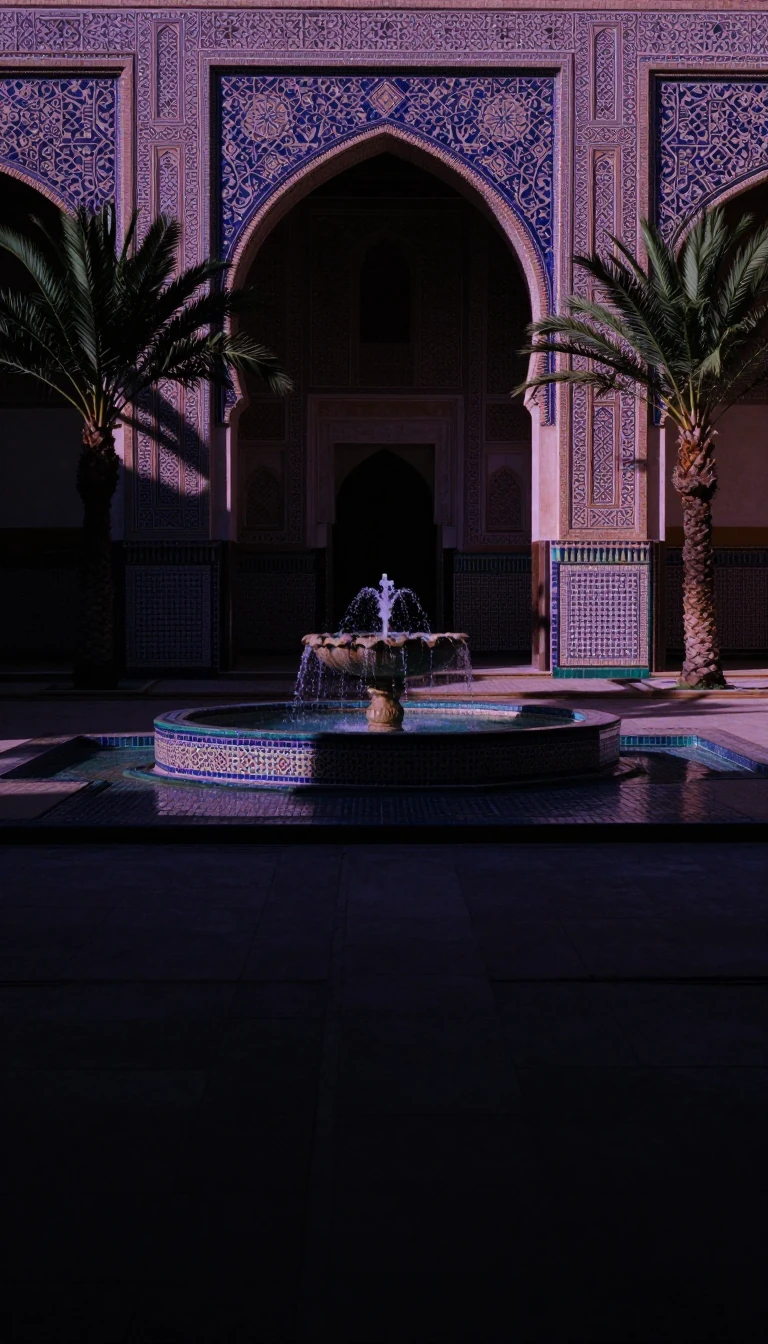
In short: In the 10th century, Abd ar-Rahman III transformed the Iberian landscape by constructing a massive, terraced palace-city near Córdoba. Designed as a physical manifestation of his authority, this fortified complex served as the administrative heart of his realm, rivaling the grandest imperial centers of the Abbasid and Fatimid dynasties.
Commissioned around 936, the site was conceived as a symbolic riposte to the caliph's political rivals. By declaring himself caliph in 929, Abd ar-Rahman III required a capital that mirrored his elevated status. The city was meticulously planned across three distinct terraces, utilizing the natural slope of the Sierra Morena to create a visual hierarchy. The uppermost level housed the private residences of the ruler, while the middle tier accommodated state offices and high-ranking officials. The expansive lower level supported the general population, markets, and a congregational mosque.
The architecture was a deliberate display of imperial grandeur. Excavations have revealed that the complex underwent significant remodeling during the 950s, shifting toward more monumental designs featuring arcades and basilical layouts. This evolution coincided with the caliph's increasing awareness of court protocols in Constantinople and Mahdia. The site was adorned with imported marble columns and Roman antiquities, while the palace interior reportedly featured luxurious silks and even a pool of liquid mercury designed to create dazzling light effects.
The city's prominence was short-lived. Following the death of Al-Hakam II, political power shifted toward the strongman Al-Mansur, who ordered the construction of a competing palace-city, Madinat Az-Zahira, in 978 or 979. By the early 11th century, civil war and internal strife led to the sacking of Madinat al-Zahra. Abandoned and looted for building materials, the site was largely erased from memory until excavations commenced in 1911. Today, only about 10 of the original 112 hectares have been restored, yet these remains offer a rare glimpse into the sophisticated urban planning and social hierarchy of the Umayyad caliphate.
The site remains a subject of intense study, particularly regarding its naming and layout. While legends suggest it was named for a favorite wife, scholars argue it likely emulated the naming conventions of other great Islamic cities, such as the 'City of Peace' or 'Victorious City'. Its designation as a UNESCO World Heritage Site in 2018 underscores its enduring importance as a masterpiece of medieval architecture.
Opens the Intellect+ feed with this card first. Swipe up for the next one.
Sources
- Summary by Intellect · source: Madinat al-Zahra
- Also: Wikidata — Madinat Al-Zahra · CC0
- Also: Wikidata — Madinat al-Zahra · CC0
To cite this card, link to https://intellectplus.co.uk/app/places-madinat-al-zahra.
How we source, check and correct cards: Editorial standards.
General information, not professional advice. Spotted an error? Flag the card or see corrections and complaints.
Intellect Plus is a visual educational discovery platform for exploring fascinating facts and ideas. Brain Food, Not Brain Rot. What is Intellect Plus?
Related
More in World Heritage Sites · More in Countries & Cities · Latest · A–Z · All topics
