How one Spanish city layered Roman, Islamic, and Christian history into a single district
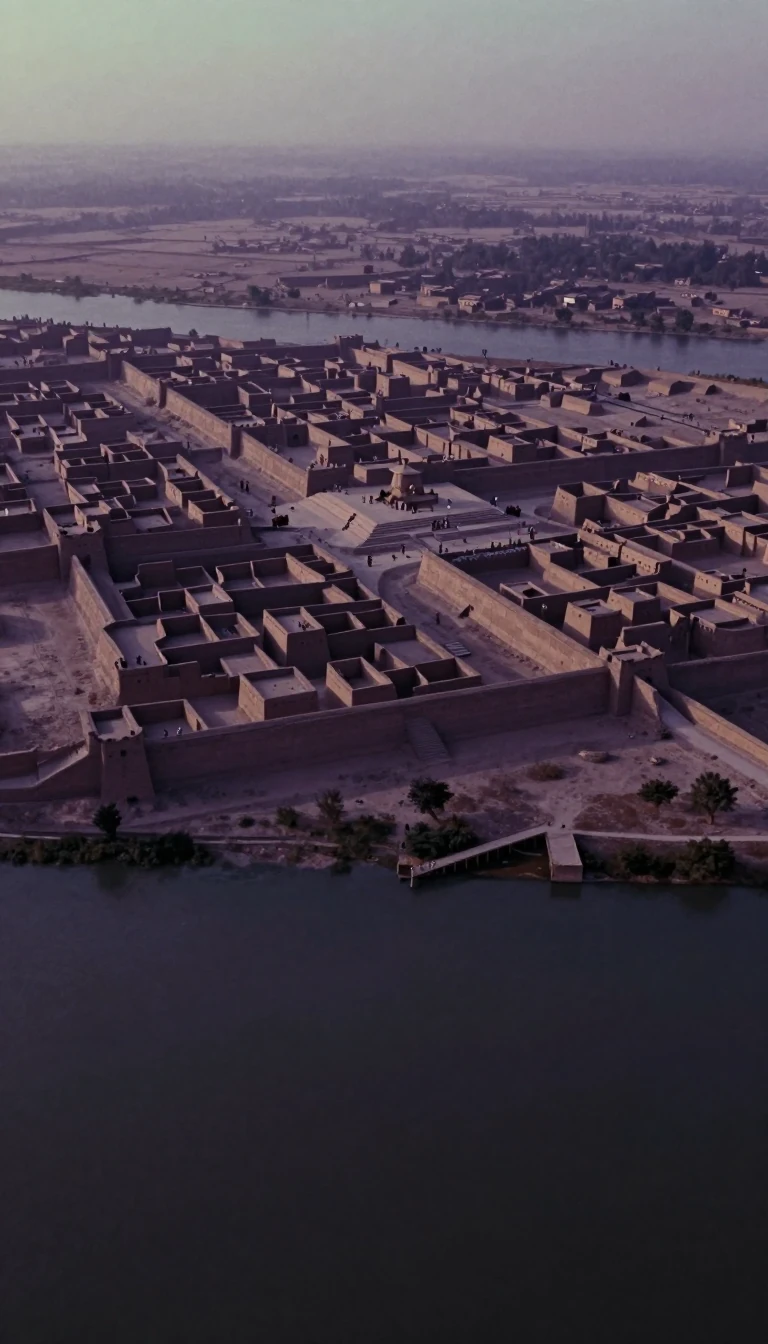
In short: The historic centre of Córdoba is a rare architectural palimpsest, where Roman bridges, Moorish minarets, and Christian cathedrals coexist. Recognized by UNESCO, this sprawling old town preserves centuries of shifting power, from the heights of the Caliphate to the later Christian reconquest, creating a unique urban tapestry in modern Spain.
The historic centre of Córdoba stands as one of Europe’s most expansive heritage sites. Its evolution began as a Carthaginian township before the Romans seized control in 206 BC, establishing it as the capital of Hispania Citerior. Following the collapse of the Roman Empire, the city transitioned through Visigoth rule until the Moorish conquest in the early 8th century. By 766, Córdoba served as the capital of the Muslim emirate of al-Andalus, eventually flourishing as the Caliphate of Córdoba—a global beacon of learning, culture, and religious tolerance that boasted over 300 mosques and a massive library.
In 1236, King Ferdinand III captured the city, initiating a profound transformation. The Grand Mosque was converted into a cathedral, and the urban fabric shifted to accommodate Christian palaces, churches, and fortifications. Despite losing its primary political status, Córdoba maintained economic relevance through the nearby Sierra Morena copper mines. The current UNESCO-defined zone captures this layered history, stretching from the Roman Bridge and the 16-span structure over the River Guadalquivir to the medieval Jewish Quarter, where the synagogue remains a testament to the city's diverse past.
The architecture reflects this complex timeline. The Alcázar, originally a Moorish castle, was repurposed for Christian monarchs in the 14th century, while the Calahorra Tower was reworked by King Henry II in 1369. Later centuries added further diversity, such as the 16th-century San Pelagio Seminary and the 18th-century Hospital del Cardenal Salazar. Even the city's spiritual history remains visible: minarets from the Moorish era were integrated into churches like San Lorenzo and San Juan, while the synagogue in La Judería served the Jewish community until 1492. Today, these structures offer a tangible record of the Roman, Islamic, and Christian influences that defined the region for nearly two millennia.
Opens the Intellect+ feed with this card first. Swipe up for the next one.
Sources
- Summary by Intellect · source: Historic centre of Córdoba
- Also: Wikidata — historic centre of Córdoba · CC0
To cite this card, link to https://intellectplus.co.uk/app/places-historic-centre-of-c-rdoba.
How we source, check and correct cards: Editorial standards.
General information, not professional advice. Spotted an error? Flag the card or see corrections and complaints.
Intellect Plus is a visual educational discovery platform for exploring fascinating facts and ideas. Brain Food, Not Brain Rot. What is Intellect Plus?
Related
More in World Heritage Sites · More in Countries & Cities · Latest · A–Z · All topics
