Madura: An Indonesian Island Shaped by Salt, Migration, and a History of Resistance
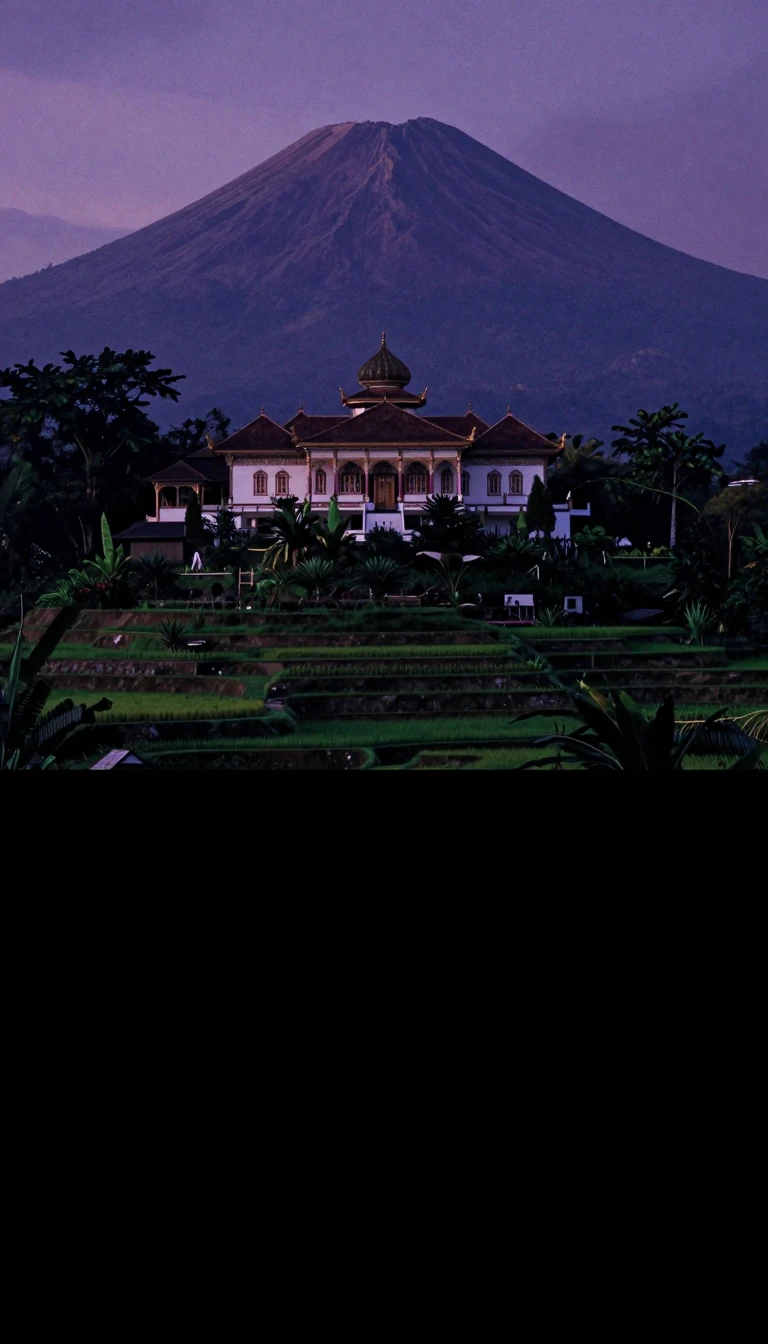
In short: Separated from Java by a narrow strait, Madura is a landscape of limestone hills and dry soil. While often overlooked, this island has long served as a vital source of salt and labor, with a resilient population whose history is defined by colonial struggle and widespread migration across the archipelago.
Geologically, Madura is an extension of the northern limestone mountains of Java, though its hills are notably rounder and rougher. The island’s topography is relatively flat, and its soil is famously infertile, which has historically hindered large-scale agriculture. Instead, the economy has long relied on cattle raising and salt panning—the latter being a government-controlled industry that became particularly significant during the 19th century under Dutch administration.
The island’s political history is marked by a fierce tradition of independence. In 1624, Sultan Agung of Mataram brought the island under the control of the Cakraningrat dynasty, a princely line that frequently challenged Central Javanese authority. By the early 18th century, the Dutch began to exert influence, eventually securing control through a series of treaties and conflicts. By the 1880s, the Dutch had sidelined the local sultans entirely, governing the territory as the Madoera Residency until the island became part of Indonesia in 1949.
Today, Madura is one of the poorest regions in East Java, a reality driven by limited economic opportunities and chronic unemployment. This scarcity has fueled a long-term trend of emigration; most ethnically Madurese people now live outside their ancestral home, often settling in the 'Horseshoe' region of East Java or participating in national transmigration programs. Despite this diaspora, the island maintains a distinct cultural identity, characterized by its Sunni Muslim majority and the famous bull races that draw massive crowds every September.
Opens the Intellect+ feed with this card first. Swipe up for the next one.
Sources
- Summary by Intellect · source: Madura | Cultural Heritage, Hindu Temples & Beaches | Britannica
- Also: Madura
To cite this card, link to https://intellectplus.co.uk/app/places-madura.
How we source, check and correct cards: Editorial standards.
General information, not professional advice. Spotted an error? Flag the card or see corrections and complaints.
Intellect Plus is a visual educational discovery platform for exploring fascinating facts and ideas. Brain Food, Not Brain Rot. What is Intellect Plus?
Related
More in Islands · More in Countries & Cities · Latest · A–Z · All topics
