Beneath Kentucky lies a labyrinthine world over four hundred miles long and ancient.
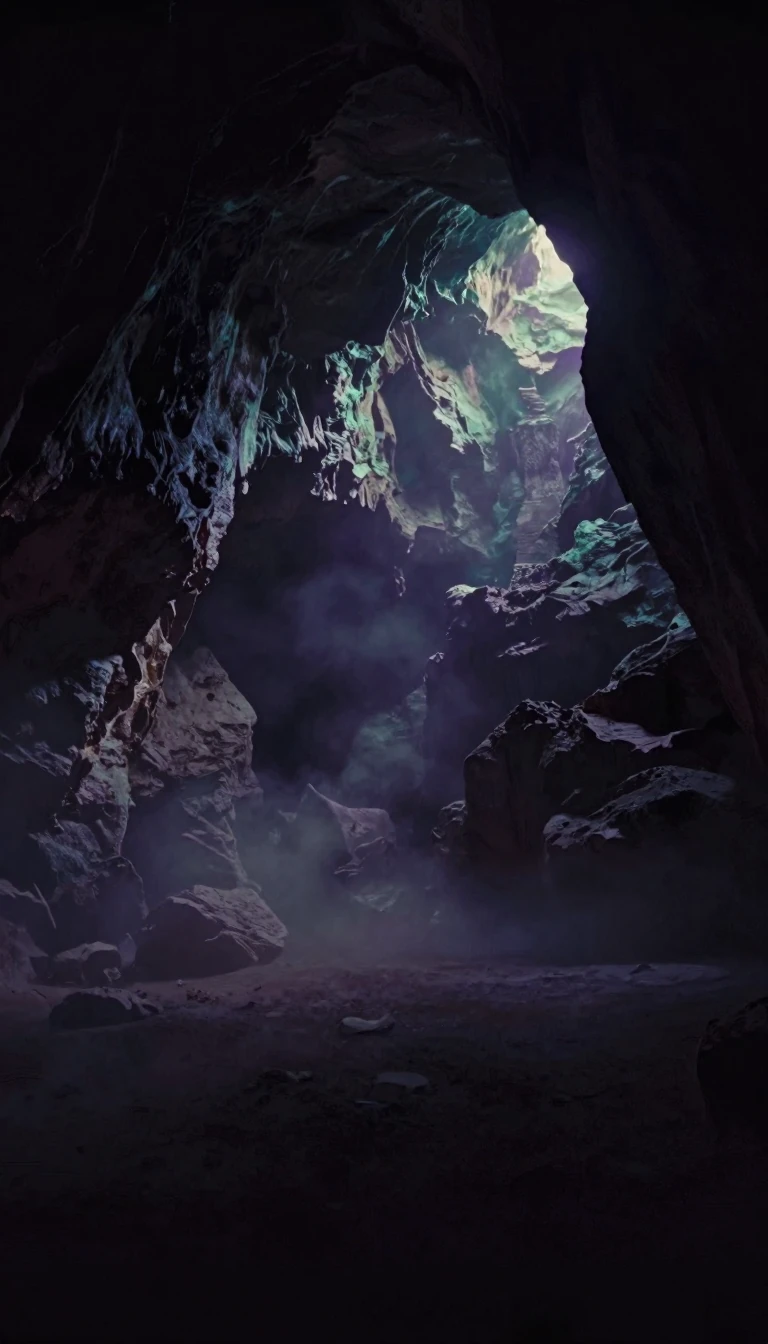
In short: Mammoth Cave National Park protects the world's longest known cave system, a vast subterranean network carved into limestone over 330 million years ago. Beyond its geological majesty, the site holds a complex human history, from ancient indigenous exploration to a 19th-century industrial saltpeter mine and a bitter local cave war.
Formed within Mississippian-aged limestone strata, Mammoth Cave is protected by a remarkably stable cap of Big Clifty Sandstone. This geological architecture, shaped by ancient seas, has allowed for the development of over 426 miles of surveyed passageways. The system is so extensive that new connections are discovered annually, keeping it firmly established as the world's longest cave, significantly outpacing its closest global competitors.
The human story of the cave is equally layered. Archaeological research, pioneered by Patty Jo Watson in the late 1950s, reveals that indigenous peoples explored and utilized the caves for thousands of years, leaving behind torches, moccasins, and dietary evidence that tracks the transition from hunter-gatherer societies to agriculture. Later, the cave became a site of industrial exploitation during the War of 1812, when saltpeter was mined for gunpowder production using enslaved labor.
By the 19th century, the cave had become an international sensation, drawing famous visitors and inspiring early cartographic efforts by figures like Stephen Bishop, an enslaved guide who mapped and named many of its features. The 20th century brought the 'Kentucky Cave Wars,' a period of intense commercial competition where rival owners used deceptive tactics to lure tourists. This era of conflict, punctuated by the tragic 1925 death of explorer Floyd Collins, eventually catalyzed the movement to establish the site as a national park in 1941.
Today, the park serves as a protected World Heritage Site, Biosphere Reserve, and International Dark Sky Park. It continues to be a site of active scientific inquiry, where researchers use experimental archaeology and sophisticated mapping to understand both the cave's complex hydrogeology and the lives of those who navigated its dark, 'grand, gloomy and peculiar' depths long before modern tourism arrived.
Opens the Intellect+ feed with this card first. Swipe up for the next one.
Sources
- Summary by Intellect · source: Mammoth Cave National Park
- Also: Wikidata — Mammoth Cave National Park · CC0
- Also: Wikidata — Mammoth Cave National Park MPS · CC0
To cite this card, link to https://intellectplus.co.uk/app/places-mammoth-cave-national-park.
How we source, check and correct cards: Editorial standards.
General information, not professional advice. Spotted an error? Flag the card or see corrections and complaints.
Intellect Plus is a visual educational discovery platform for exploring fascinating facts and ideas. Brain Food, Not Brain Rot. What is Intellect Plus?
Related
More in World Heritage Sites · More in Countries & Cities · Latest · A–Z · All topics
