How sulfuric acid carved one of the world's most spectacular underground labyrinths
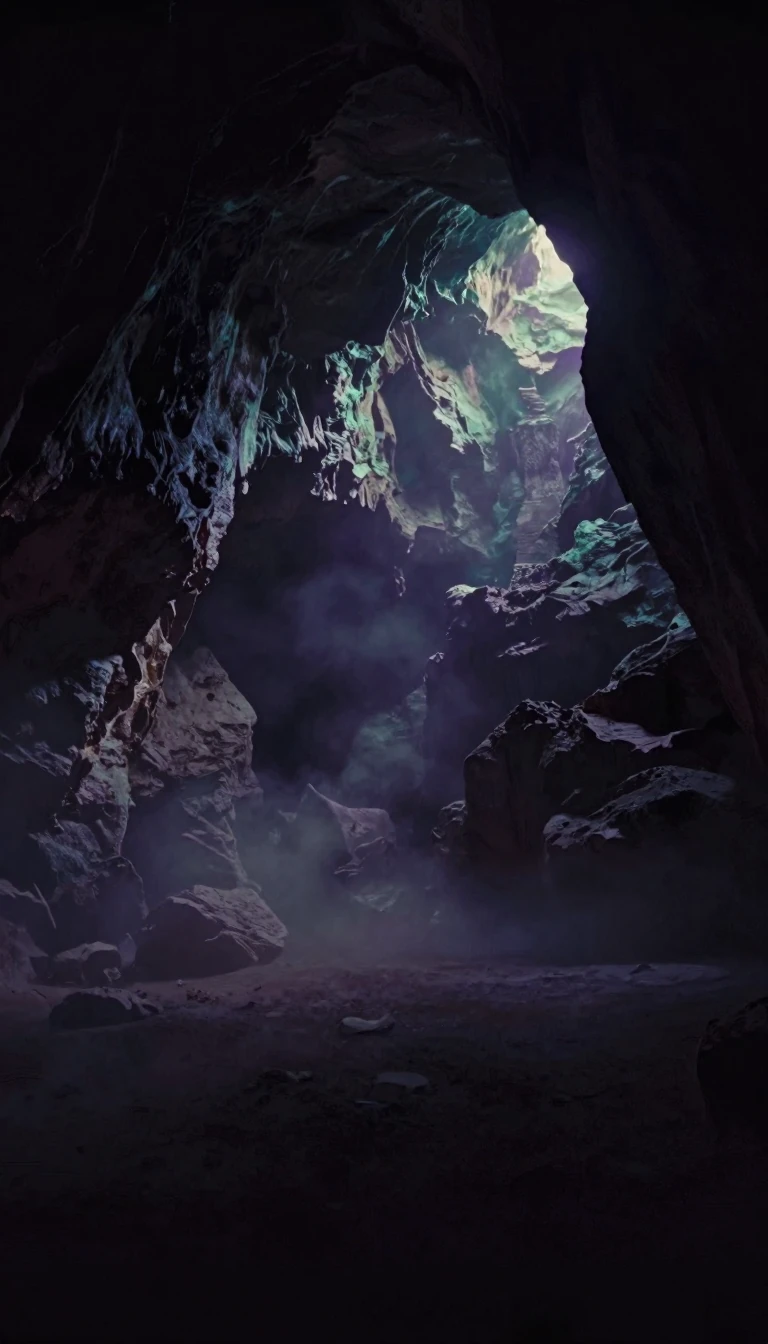
In short: Carlsbad Caverns is not a typical cave formed by rainwater. Instead, it was hollowed out by sulfuric acid rising from deep petroleum reserves. This unique chemical process created a massive, intricate limestone network that remains one of the most easily reached and well-maintained cave systems on the planet.
Located in the Guadalupe Mountains of New Mexico, Carlsbad Caverns National Park sits atop a ancient Permian reef that formed 250 million years ago. While most caves are sculpted by carbonic acid from surface water, this system was primarily shaped by a more aggressive process. Near the end of the Cenozoic era, hydrogen sulfide gas seeped upward from deep oil deposits. When this gas met oxygen in the groundwater, it created sulfuric acid, which dissolved the surrounding limestone to carve out vast chambers.
The park's centerpiece is the Big Room, a colossal limestone chamber spanning nearly 4,000 feet in length. It stands as the largest cave chamber in North America. The cave's history of exploration is equally storied; in 1898, teenager Jim White began mapping the depths using a homemade wire ladder. His early discoveries included the Big Room and the Queen's Chamber, naming many of the iconic formations that draw visitors today.
Today, the park is a protected World Heritage Site, with two-thirds of its land designated as wilderness. Visitors can descend into the depths via a natural entrance or modern elevators installed in 1932. Once inside, they encounter a variety of speleothems—stalactites, stalagmites, and draperies—formed as surface water percolates through the ceiling. These mineral deposits continue to grow, their rates influenced by ambient temperature and rainfall, ensuring the cave remains a dynamic, evolving environment.
The site also serves as a critical habitat, particularly for bats, which occupy a large passage once mined for guano. Beyond the public-facing areas, the cave continues to yield secrets; new passages, such as those discovered in 1993 and 2013, demonstrate that the full extent of this subterranean world is still being mapped. It remains a site of immense scientific interest, offering a window into both the geological past and the complex processes that shape our planet's interior.
Opens the Intellect+ feed with this card first. Swipe up for the next one.
Sources
- Summary by Intellect · source: Carlsbad Caverns National Park
To cite this card, link to https://intellectplus.co.uk/app/places-carlsbad-caverns-national-park.
How we source, check and correct cards: Editorial standards.
General information, not professional advice. Spotted an error? Flag the card or see corrections and complaints.
Intellect Plus is a visual educational discovery platform for exploring fascinating facts and ideas. Brain Food, Not Brain Rot. What is Intellect Plus?
Related
More in World Heritage Sites · More in Countries & Cities · Latest · A–Z · All topics
