Once the world's largest city, Merv is now a silent desert of crumbling brick.
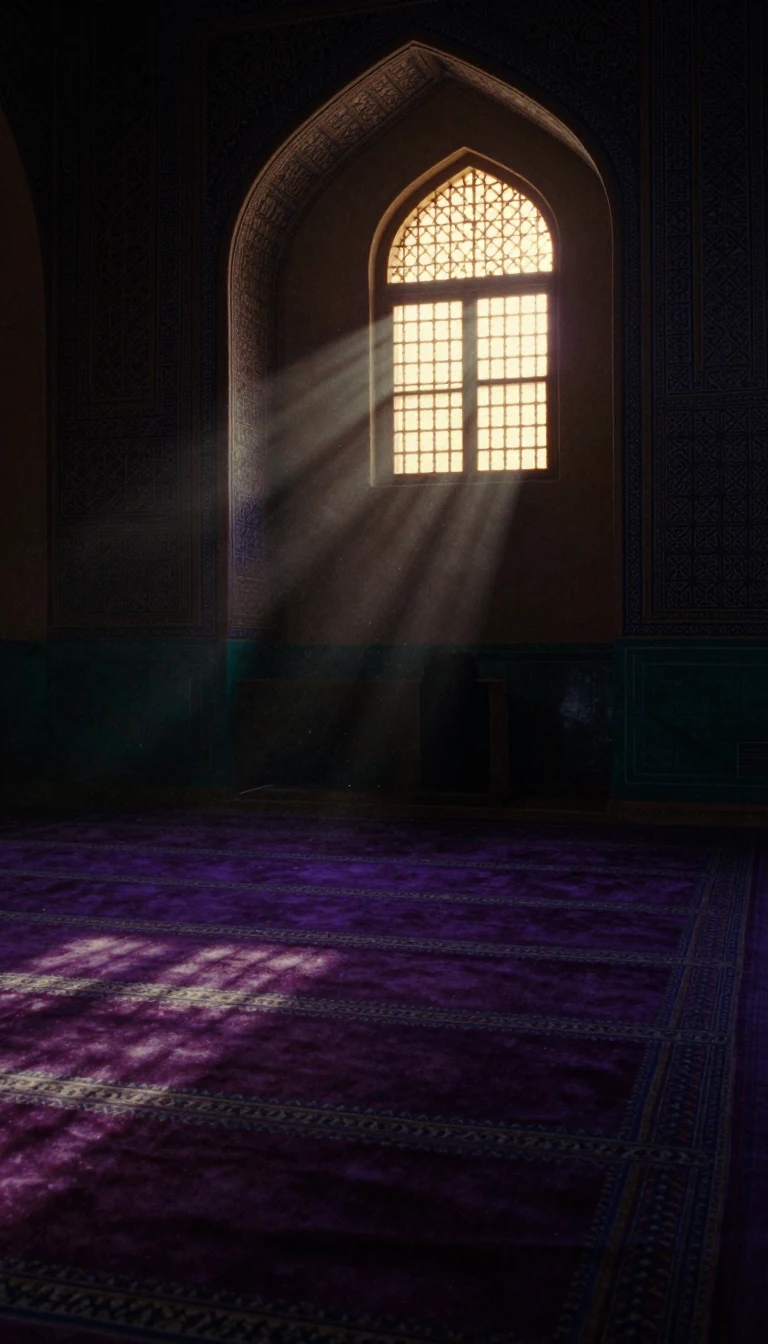
In short: Merv was a thriving Silk Road metropolis and a seat of Islamic power, housing half a million people at its peak. Today, it exists as a series of abandoned, layered walled cities in the Turkmenistan desert, offering a haunting look at a civilization that once defined the eastern Islamic world.
Located near modern-day Mary, Turkmenistan, Merv was a central hub of human settlement from the 3rd millennium BC until the 18th century. Throughout its long history, it served as a capital for various empires, including the Achaemenids, the Great Seljuk Empire, and the Abbasid Caliphate. By the 12th century, it had become a premier center for science and culture, boasting giant libraries and attracting polymaths like Omar Khayyam.
The city's architectural evolution is visible in its four distinct, adjacent walled cities. Erk Gala, the oldest, dates to the 7th century BC. Gäwürgala served as the Hellenistic and Sassanian metropolis, while the massive Soltangala became the core of medieval Merv. These sites feature unique structures like köshks—corrugated, two-story palaces built for the elite. The city's prosperity was fueled by its strategic location on the Silk Road and its sophisticated irrigation systems, which were repeatedly restored by rulers like Nader Shah.
Merv's decline was as dramatic as its rise. In 1221, the city opened its gates to the Mongol army led by Tolui, son of Genghis Khan, resulting in a massacre that historical accounts estimate claimed up to 700,000 lives. Though partially rebuilt, it never regained its former status. Its final destruction occurred between 1788 and 1789, when Shah Murad of Bukhara razed the city and deported its population. By the 1800s, the site was abandoned, leaving behind the ruins that today form the Ancient Merv Archaeological Park, a UNESCO World Heritage Site.
The site remains a vital subject for historical research. Since 1992, the Ancient Merv Project has worked to conserve the fragile mudbrick structures and uncover the city's complex past. From the numismatic evidence of unbroken Sassanian rule to the industrial workshops found in Gäwürgala, Merv continues to provide scholars with an unparalleled record of Central Asian history, standing as a testament to a bygone era of intellectual and political greatness.
Opens the Intellect+ feed with this card first. Swipe up for the next one.
Sources
- Summary by Intellect · source: Merv
- Also: Wikidata — Merv · CC0
To cite this card, link to https://intellectplus.co.uk/app/places-merv.
How we source, check and correct cards: Editorial standards.
General information, not professional advice. Spotted an error? Flag the card or see corrections and complaints.
Intellect Plus is a visual educational discovery platform for exploring fascinating facts and ideas. Brain Food, Not Brain Rot. What is Intellect Plus?
Related
More in World Heritage Sites · More in Countries & Cities · Latest · A–Z · All topics
