Mesoamerican pyramids were not just tombs but complex stages for ritual and myth
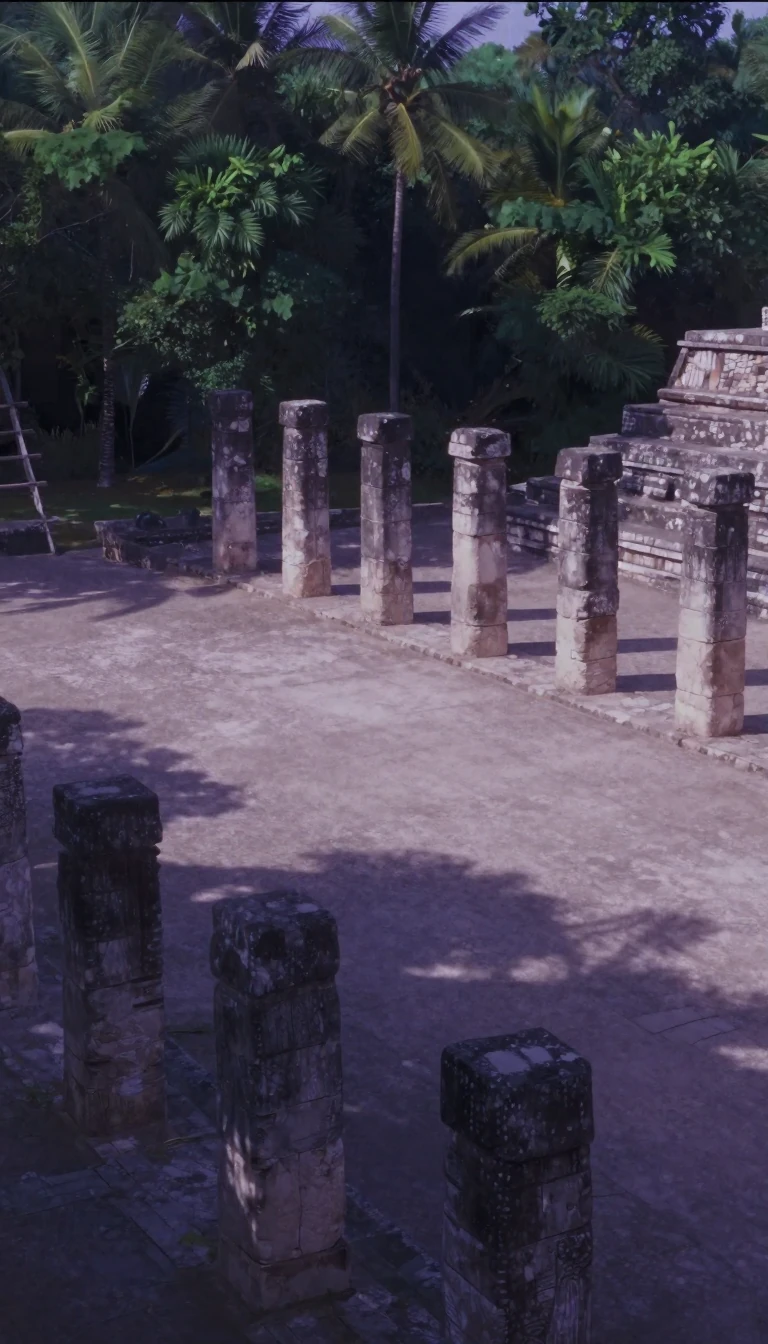
In short: Unlike their Egyptian counterparts, Mesoamerican pyramids were flat-topped platforms designed for temples and public ceremony. These structures evolved from simple burial mounds into intricate stone monuments, serving as the physical canvas for creation myths, royal interments, and the complex social signaling of ancient civilizations across the region.
Mesoamerican pyramids represent a diverse architectural tradition that spans thousands of years. While often compared to Egyptian pyramids, these structures are structurally closer to Mesopotamian ziggurats, featuring staircases and flat summits that supported dedicatory temples. The largest by volume, the Great Pyramid of Cholula, stands as a testament to the scale of these constructions. Early examples, such as the Olmec Great Pyramid of La Venta, date back to around 1300-400 BCE, marking the beginning of a long history of monumental building.
The function of these pyramids varied significantly by culture and period. For the Maya, they served as both sacred spaces for deities and final resting places for powerful rulers. The Aztecs, who dominated central Mexico from the 14th to 16th centuries, adopted and adapted building styles from predecessors like Teotihuacan. Meanwhile, the Purépecha developed unique T-shaped structures known as yácatas. These sites were not merely static monuments; they were often covered in elaborate carvings and scripts detailing stories of the Hero Twins and the feathered serpent, Quetzalcoatl.
A central debate in archaeology concerns the 'mother culture' versus 'sister culture' models. Historically, the Olmecs were viewed as the primary source of architectural influence across Mesoamerica, a concept introduced by Alfonso Caso in 1942. However, modern research, including 2013 findings at the Mayan city of Ceibal, suggests a more nuanced reality. Radiocarbon dating from 1150 BCE to 850 BCE points to multidirectional cultural diffusion rather than a single origin point. This shift in perspective emphasizes that Mesoamerican civilizations were interconnected, with architectural styles evolving through complex, shared exchanges rather than simple imitation.
Why this matters lies in the agency of these ancient societies. By moving away from the 'mother culture' narrative, scholars now recognize that diverse groups—from the Zapotecs to the inhabitants of La Quemada—developed sophisticated architectural identities. These pyramids functioned as tools for 'costly signaling,' where prestigious displays of labor and artistry reinforced social hierarchies and religious devotion, creating a vibrant, competitive, and highly integrated landscape of monumental architecture.
Opens the Intellect+ feed with this card first. Swipe up for the next one.
Sources
- Summary by Intellect · source: Mesoamerican pyramids
To cite this card, link to https://intellectplus.co.uk/app/places-mesoamerican-pyramids.
How we source, check and correct cards: Editorial standards.
General information, not professional advice. Spotted an error? Flag the card or see corrections and complaints.
Intellect Plus is a visual educational discovery platform for exploring fascinating facts and ideas. Brain Food, Not Brain Rot. What is Intellect Plus?
Related
More in World Heritage Sites · More in Countries & Cities · Latest · A–Z · All topics
