Why this North American river flows with the color of tea and milk
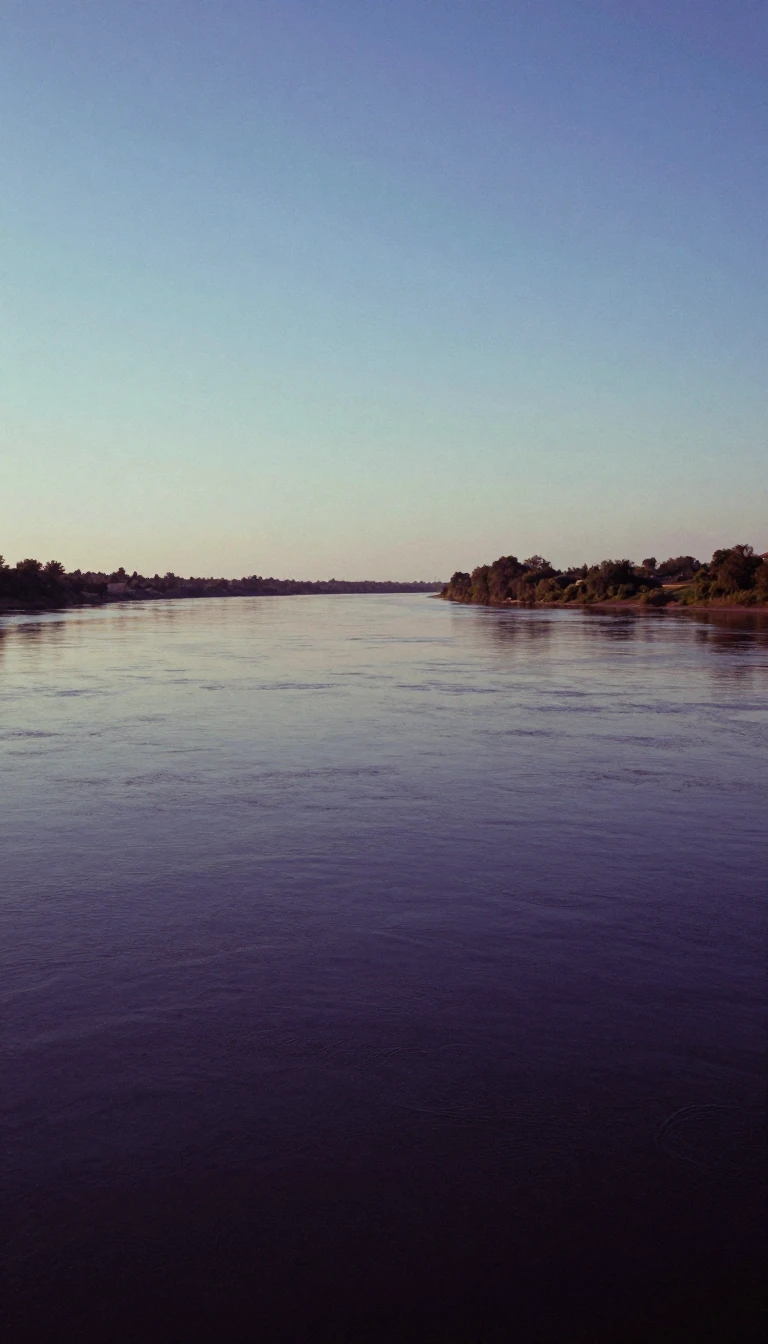
In short: Spanning the border between Montana and Alberta, the Milk River is named for its distinct, opaque appearance. This milky hue is not a pollutant, but a natural result of erosion. The river’s journey through the Rocky Mountains and across the plains reveals a complex history of geography, diplomacy, and water rights.
The Milk River earned its name from Captain Meriwether Lewis during the Lewis and Clark Expedition. He famously described the water as having the color of tea mixed with a tablespoon of milk. This peculiar whiteness is caused by fine-grained sediments, specifically clays and silts, suspended in the current. These particles are washed into the river as it erodes soft, clay-rich geological formations in southern Alberta, such as the Dinosaur Park, Oldman, and Foremost formations.
The river’s path is as unusual as its appearance. Rising in the Rocky Mountains of Montana, it flows north into Canada before looping back southeast into the United States to join the Missouri River. This route once caused diplomatic friction; while the watershed was part of the Louisiana Purchase, an 1818 agreement saw the United States trade away portions of the basin north of the 49th parallel in exchange for land in the Red River drainage. Today, the river is a vital lifeline for the region, supported by a 1905 project that diverts water from the St. Mary River to sustain 120,000 acres of ranchland and provide drinking water for 14,000 municipal users.
Beyond its utility, the Milk River basin is a critical ecological corridor. The landscape features a diverse array of badlands, grasslands, and riparian cottonwood groves that support species ranging from the mountain plover and burrowing owl to the northern leopard frog. The river also holds significant legal importance in the United States. In 1908, the Supreme Court case Winters v. United States established a landmark precedent regarding water rights for the Fort Belknap Indian Reservation, a ruling that remains a cornerstone of American Indian law regarding natural resources.
Opens the Intellect+ feed with this card first. Swipe up for the next one.
Sources
- Summary by Intellect · source: Milk River (Alberta–Montana)
- Also: www.britannica.com — Milk River | Montana, Canada, Border | Britannica
To cite this card, link to https://intellectplus.co.uk/app/places-milk-river-alberta-montana.
How we source, check and correct cards: Editorial standards.
General information, not professional advice. Spotted an error? Flag the card or see corrections and complaints.
Intellect Plus is a visual educational discovery platform for exploring fascinating facts and ideas. Brain Food, Not Brain Rot. What is Intellect Plus?
Related
More in Bodies of water · More in Countries & Cities · Latest · A–Z · All topics
