Molokaʻi: The Hawaiian island that chose isolation over mass tourism and development
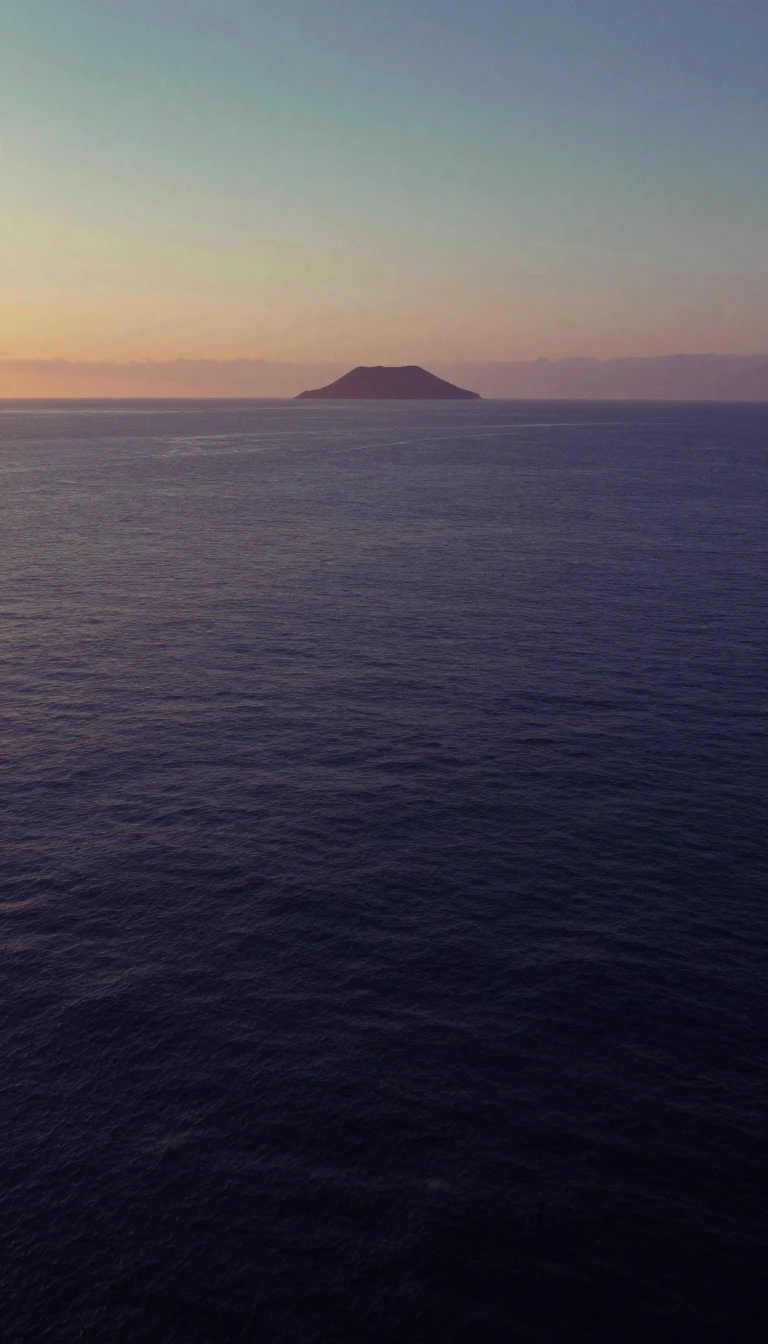
In short: While other Hawaiian islands embraced rapid commercial expansion, Molokaʻi fought to preserve its indigenous heritage and subsistence lifestyle. From the tragic history of its former leprosy colony to its modern-day resistance against large-scale resort development, this island remains a fiercely protected bastion of tradition in the Pacific.
Molokaʻi, the fifth-largest island in the Hawaiian archipelago, is a land of stark geographical contrasts. Its western half is a dry, denuded landscape shaped by historical over-grazing, while the eastern half rises into a lush, high-elevation plateau. This eastern region, reaching 4,970 feet at Kamakou peak, contains some of the world's highest sea cliffs—the remnants of a catastrophic northern collapse of the East Molokaʻi shield volcano roughly 1.5 million years ago. The island also boasts the longest fringing reef in the United States, stretching nearly 25 miles along its southern shore.
The island's history is deeply marked by the Kalaupapa Peninsula, which served as a forced quarantine site for leprosy patients from 1866 until 1969. During this period, over 8,500 people were exiled to the colony, where they were declared legally dead. Figures such as Father Damien and Mother Marianne Cope, both later canonized as saints, provided care to the sufferers. Today, the area is preserved as the Kalaupapa National Historical Park, and while the forced quarantine laws were abolished in 1969, some former patients chose to remain in the settlement for the rest of their lives.
In recent decades, Molokaʻi has become a battleground between corporate development and community preservation. Residents have spent years resisting large-scale tourism, leading to the closure of major resort operations like Molokai Ranch in 2008. This stance has come at an economic cost, with the island experiencing Hawaii's highest unemployment rate and many residents living below the federal poverty line. Despite these challenges, the community remains committed to its indigenous roots, with local groups like the Molokai Heritage Trust working to reclaim land for community stewardship rather than commercial exploitation.
Opens the Intellect+ feed with this card first. Swipe up for the next one.
Sources
- Summary by Intellect · source: Molokaʻi
- Also: Wikidata — Molokaʻi · CC0
To cite this card, link to https://intellectplus.co.uk/app/places-moloka-i.
How we source, check and correct cards: Editorial standards.
General information, not professional advice. Spotted an error? Flag the card or see corrections and complaints.
Intellect Plus is a visual educational discovery platform for exploring fascinating facts and ideas. Brain Food, Not Brain Rot. What is Intellect Plus?
Related
More in Islands · More in Countries & Cities · Latest · A–Z · All topics
