How ancient Hawaiian society engineered a self-sustaining paradise across volcanic islands
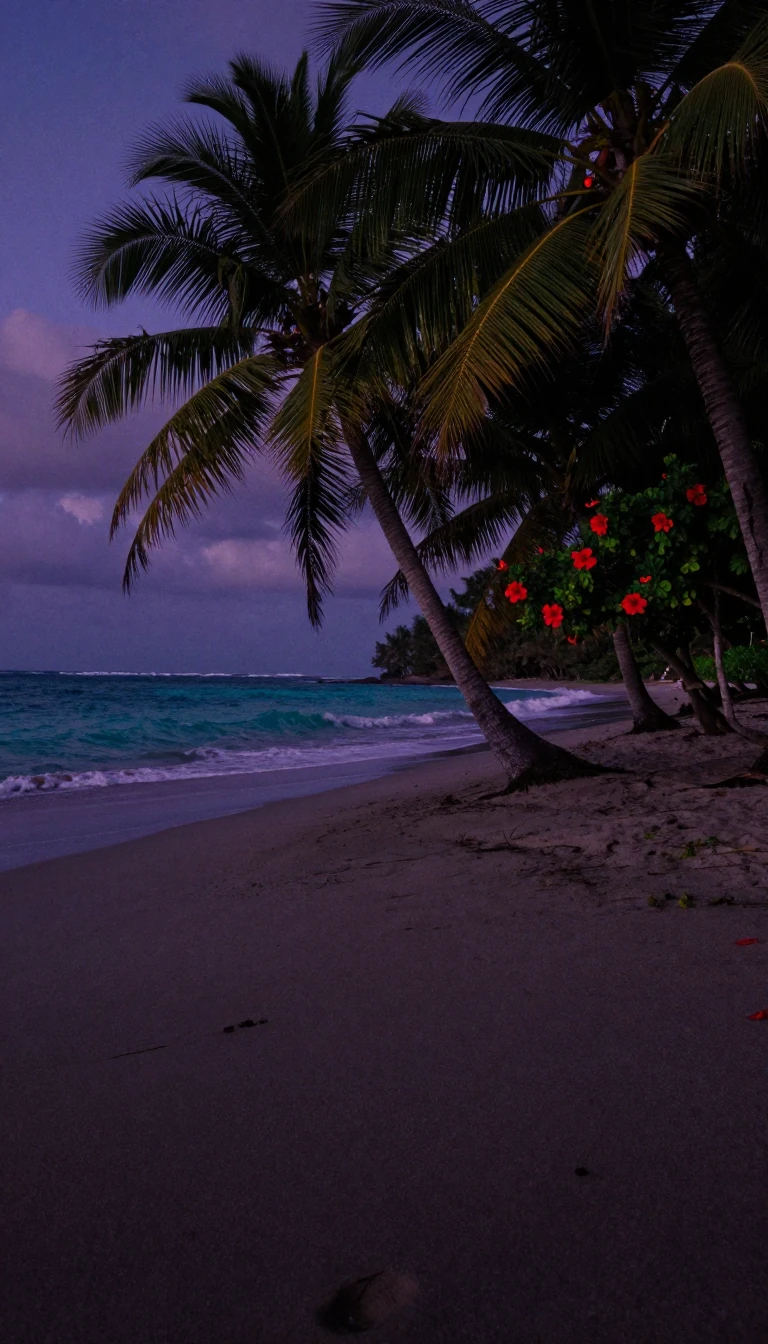
In short: Native Hawaiians developed a sophisticated, highly stratified society that thrived in isolation for centuries. By mastering the ahupuaa—a land division system stretching from mountain to sea—they created a self-sufficient ecosystem that supported a complex culture of navigation, intricate social laws, and deep spiritual kinship with the natural world.
The origins of the Hawaiian people trace back to two distinct waves of Polynesian migration. The first settlers likely arrived from the Marquesas Islands around 400 AD, followed by a second wave from Tahiti between the 9th and 10th centuries. These voyagers navigated thousands of miles of open ocean using the stars, winds, and currents, bringing essential survival resources like taro, sweet potatoes, pigs, and chickens. Following a period of back-and-forth travel, the islands entered roughly 400 years of isolation, during which a unique, highly stratified civilization emerged.
At the heart of this society was the ahupuaa, a land management unit designed to ensure total self-sufficiency. These divisions extended from the mountaintop to the shore, granting occupants access to forest wood, valley crops like taro, and coastal resources including stone-walled fish ponds. Social order was maintained through the kanawai, a system of laws that included kapu—strict prohibitions on certain foods, places, or behaviors. These taboos served as a vital conservation mechanism, regulating the harvest of resources to prevent depletion. Failure to adhere to these sacred laws could result in severe punishment, including death.
Spirituality was woven into every facet of life, with the environment viewed through a lens of kinship. The Kumulipo creation chant describes the cosmos evolving into life, eventually giving rise to humans and whales alike. Whales, known as koholā, were revered as manifestations of the sea god Kanaloa and served as personal guardian spirits, or ʻaumākua. While the arrival of Captain James Cook in 1778 and subsequent Western contact brought devastating diseases and political upheaval, the 1970s marked a cultural renaissance. Today, this heritage persists through the revitalization of traditional non-instrument navigation, the voyaging of canoes like the Hōkūleʻa, and a continued commitment to ancestral environmental stewardship.
The population dynamics of the islands have shifted dramatically over time. Estimates suggest that around 300,000 people lived in Hawaii when Cook arrived in 1778. By the late 20th century, the number of full-blooded Hawaiians had dropped to fewer than 10,000, though the population of those with partial Native Hawaiian ancestry remains significant. This history of endurance and adaptation continues to define the modern Native Hawaiian experience as they navigate contemporary life while honoring their deep-rooted cultural principles.
Opens the Intellect+ feed with this card first. Swipe up for the next one.
Sources
- Summary by Intellect · source: Hawaiian | Polynesian Origins, Language & Traditions | Britannica
- Also: Native Hawaiians - Hawaiʻi Volcanoes National Park (U.S. National Park Service)
- Also: Native Hawaiians
To cite this card, link to https://intellectplus.co.uk/app/nature-native-hawaiians.
How we source, check and correct cards: Editorial standards.
General information, not professional advice. Spotted an error? Flag the card or see corrections and complaints.
Intellect Plus is a visual educational discovery platform for exploring fascinating facts and ideas. Brain Food, Not Brain Rot. What is Intellect Plus?
Related
More in Physical geography · More in Nature · Latest · A–Z · All topics
