The Forbidden Isle: How One Family Preserved a Living Piece of Hawaiian History
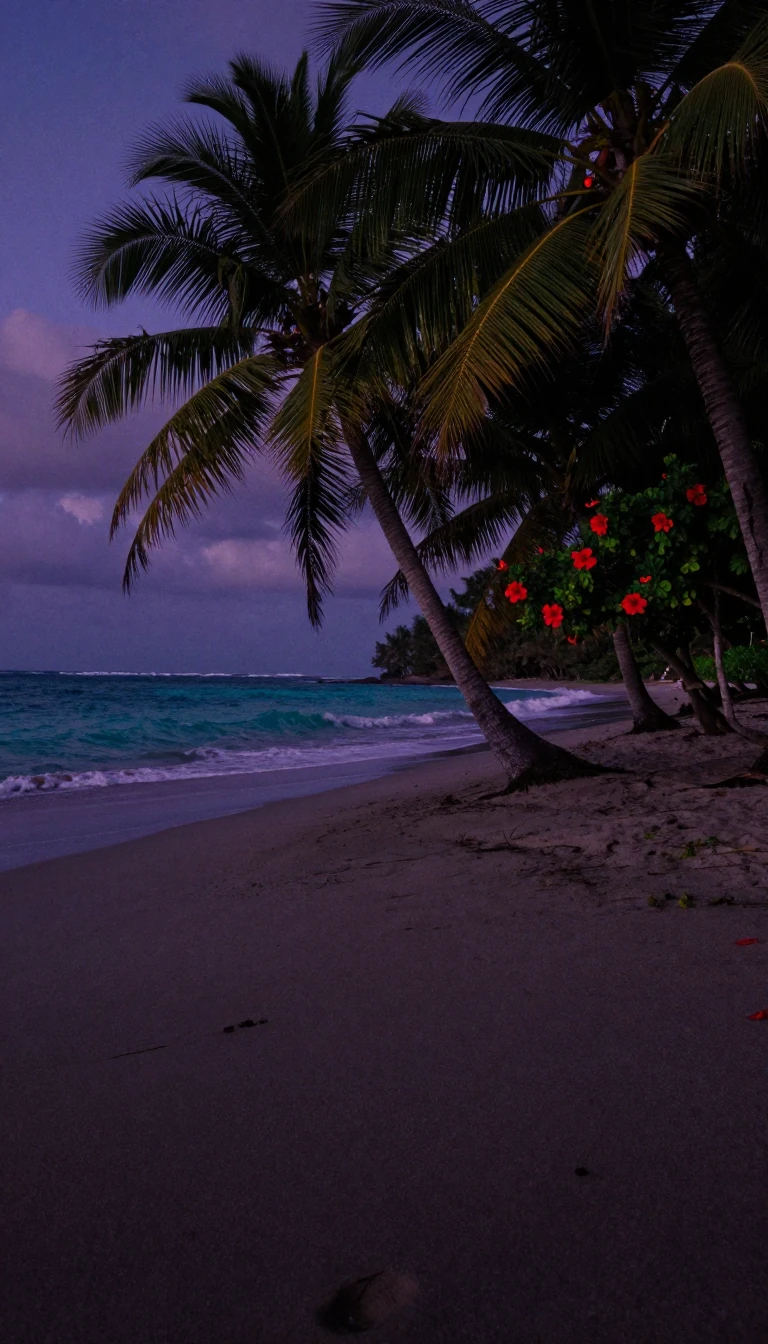
In short: Niʻihau is the only place where Hawaiian remains the primary language, untouched by English. Owned by the Robinson family since 1864, this arid, restricted island functions as a private sanctuary, balancing traditional subsistence living with modern military contracts and a complex, controversial legacy of total isolation.
Purchased in 1864 by Elizabeth Sinclair for $10,000, Niʻihau has remained under the private control of the Robinson family for generations. Today, brothers Bruce and Keith Robinson manage the island, enforcing strict rules that have earned it the nickname 'the Forbidden Isle.' Outsiders are generally barred from entry, and residents face prohibitions against alcohol, cigarettes, and certain styles of dress. The island lacks standard infrastructure like paved roads, power lines, or running water, relying instead on solar power and rainwater catchment.
Despite this isolation, the island maintains a vital, if unconventional, economy. Roughly 80% of its income is derived from a U.S. Navy installation that utilizes the island's high cliffs for missile defense testing and training. Additionally, the islanders are renowned for their intricate shell lei craftsmanship, a tradition protected by state law against counterfeiting. While the population has dwindled—dropping from 170 in 2010 to 84 by the 2020 census—the community remains a linguistic stronghold, serving as the only location where the Hawaiian language is spoken as a primary, daily tongue.
The island’s history is marked by dramatic shifts, from the prehistoric collapse of its volcanic summit to the 1941 'Niʻihau incident,' where a Japanese pilot crashed during the attack on Pearl Harbor. Environmental challenges, including chronic drought and the historical absence of trees, have been mitigated by intensive afforestation efforts led by the Robinson family. While the island is often viewed through the lens of its strict, private governance, it serves as a rare, living repository of Hawaiian culture, values, and language that has largely vanished elsewhere in the archipelago.
Opens the Intellect+ feed with this card first. Swipe up for the next one.
Sources
- Summary by Intellect · source: Niʻihau
- Also: Wikidata — Niʻihau · CC0
To cite this card, link to https://intellectplus.co.uk/app/places-ni-ihau.
How we source, check and correct cards: Editorial standards.
General information, not professional advice. Spotted an error? Flag the card or see corrections and complaints.
Intellect Plus is a visual educational discovery platform for exploring fascinating facts and ideas. Brain Food, Not Brain Rot. What is Intellect Plus?
Related
More in Islands · More in Countries & Cities · Latest · A–Z · All topics
