Canada’s highest peak is a massive, growing, and surprisingly elusive geological giant.
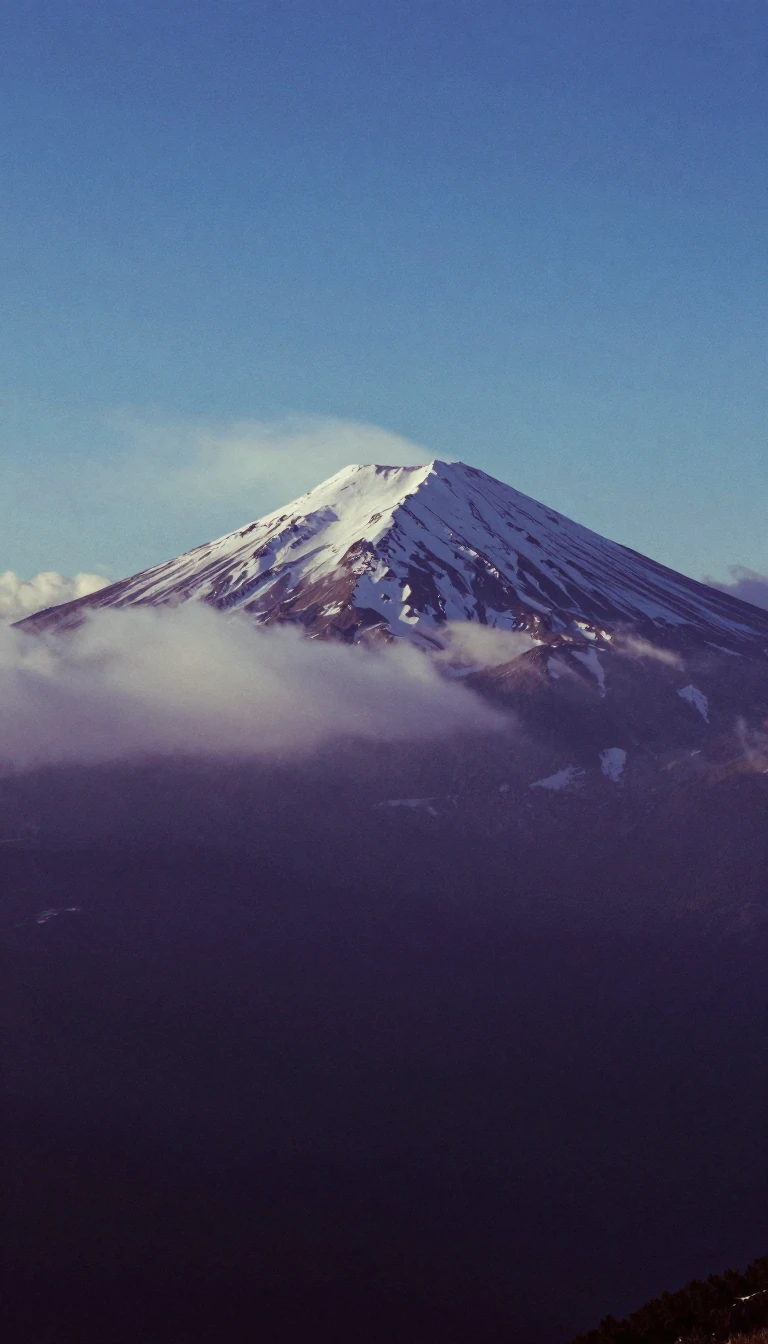
In short: Mount Logan is Canada's tallest mountain and the second-highest in North America. Hidden deep within the Saint Elias Mountains, this non-volcanic massif boasts the largest base circumference of any mountain on Earth. It is still rising, perpetually cold, and served as the unlikely namesake for a famous comic book hero.
Mount Logan, located in Yukon’s Kluane National Park and Reserve, stands at 5,959 metres. While often overshadowed by Denali, Logan is a geological titan. It is not a volcano, yet it possesses the largest base circumference of any non-volcanic mountain globally. The massif is so vast that it contains eleven distinct peaks exceeding 5,000 metres. Because of active tectonic uplifting, the mountain continues to rise by approximately 0.35 millimetres each year, maintaining its status as a formidable, icy landscape where temperatures on the high plateau average −27 °C annually.
The mountain’s history is defined by its extreme isolation. First sighted in 1890 by geologist Israel C. Russell, it remained unclimbed until 1925, when an international team led by Albert H. MacCarthy completed a grueling 65-day expedition to reach the summit. The mountain is so remote that it is not visible from the coast or nearby lowlands, though it can be spotted from 201 kilometres out at sea. This ruggedness has made it a legendary challenge for mountaineers, leading to both historic feats and tragic disappearances, such as the 1987 loss of David Cheesmond and Catherine Freer on the treacherous Hummingbird Ridge.
Modern management of the peak reflects its unforgiving nature. In 2020, Parks Canada introduced strict regulations, including a ban on winter expeditions and mandatory search-and-rescue insurance, to mitigate the high financial burden of rescue missions on taxpayers. Beyond its physical reality, the mountain has left a cultural mark; X-Men writer Chris Claremont named the superhero Wolverine after the peak, choosing the name because he wanted the tallest mountain to represent his shortest character. Attempts to rename the mountain after former Prime Minister Pierre Trudeau in 2000 were ultimately abandoned following widespread public and professional opposition.
Opens the Intellect+ feed with this card first. Swipe up for the next one.
Sources
- Summary by Intellect · source: Mount Logan
- Also: Mount Logan | Canada, Map, & Facts | Britannica
- Also: Wikidata — Mount Logan · CC0
- Also: Wikidata — Mount Logan · CC0
To cite this card, link to https://intellectplus.co.uk/app/places-mount-logan.
How we source, check and correct cards: Editorial standards.
General information, not professional advice. Spotted an error? Flag the card or see corrections and complaints.
Intellect Plus is a visual educational discovery platform for exploring fascinating facts and ideas. Brain Food, Not Brain Rot. What is Intellect Plus?
Related
More in Mountain peaks and volcanos · More in Countries & Cities · Latest · A–Z · All topics
