Why China’s most famous mountain served as both a spiritual sanctuary and political stage
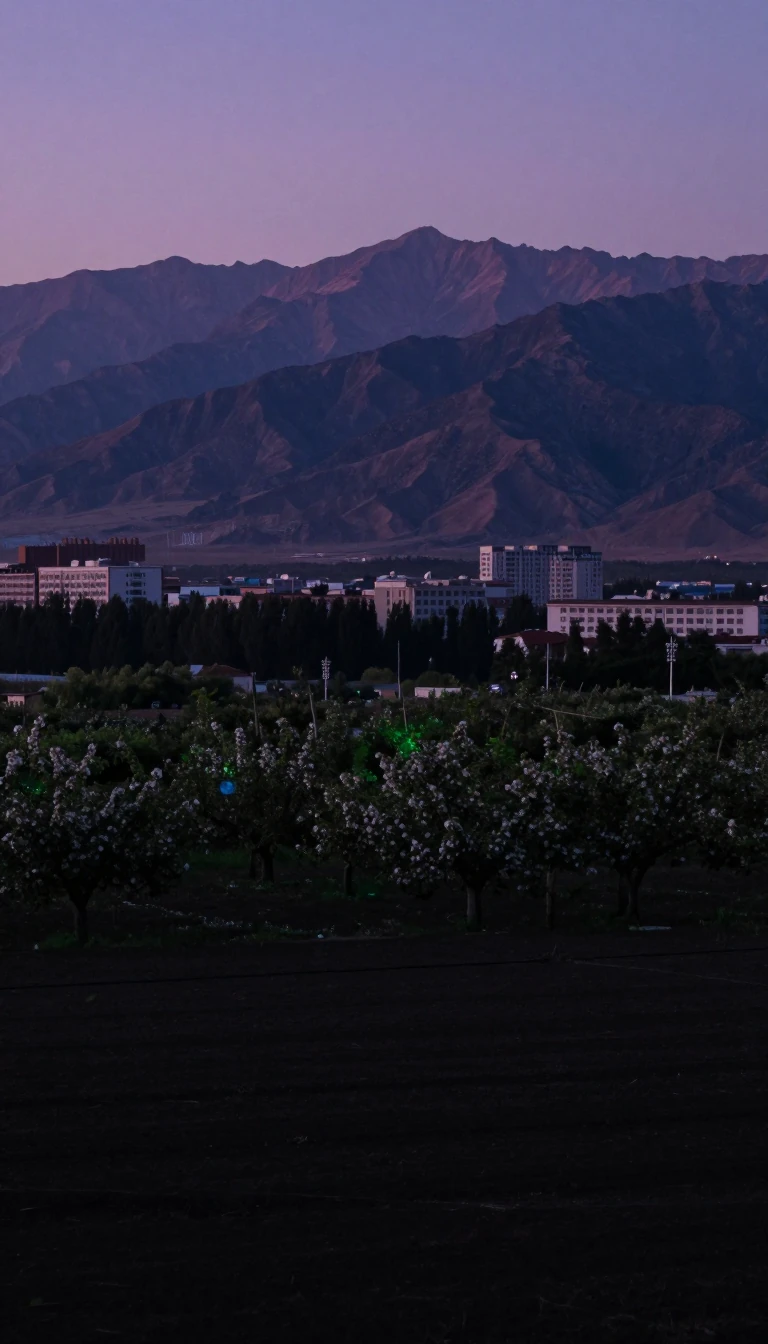
In short: Mount Lushan is more than a scenic peak in Jiangxi. For two millennia, it has functioned as a vital center for Buddhist, Taoist, and Confucian thought. Yet, this serene landscape of waterfalls and mist also served as the Republic of China’s summer capital and a volatile site for modern political power struggles.
Located in Jiujiang City, Mount Lushan rises 1,474 meters at its highest point, Hanyang Peak. Its cultural significance began centuries ago, drawing scholars and spiritual leaders to its slopes. In 386 CE, Huiyuan founded the East Grove Temple, establishing the Pure Land Sect of Buddhism. By the Song dynasty, the White Deer Cave Academy, revived by Zhu Xi in the late 12th century, became the definitive model for Confucian education, influencing academic patterns across East Asia for over 700 years.
The mountain’s role shifted dramatically in the 19th and 20th centuries. Foreign and Chinese visitors constructed around 600 villas, transforming the area into a popular resort. During the 1930s and 1940s, it served as the official Summer Capital of the Republic of China. It was here, in July 1937, that Chiang Kai-shek announced a full mobilization for war against Japan. The site remained politically charged long after; Mao Zedong convened three major party conferences on the mountain, including the 1959 Lushan Conference, which saw the purge of General Peng Dehuai for his criticism of the Great Leap Forward.
Today, the mountain is a UNESCO World Heritage site, recognized for its seamless integration of natural beauty and historic architecture. The landscape features over 200 historic buildings, including the 1,015 CE Guan Ying Bridge and numerous stone inscriptions. Whether through the lens of ancient philosophy or the modern political history of the 1970 Lushan Conference, the mountain remains a profound symbol of the Chinese national spirit, embodying a unique intersection of religious devotion, academic rigor, and statecraft.
Opens the Intellect+ feed with this card first. Swipe up for the next one.
Sources
- Summary by Intellect · source: Lushan National Park
- Also: Mount Lu
To cite this card, link to https://intellectplus.co.uk/app/places-mount-lu.
How we source, check and correct cards: Editorial standards.
General information, not professional advice. Spotted an error? Flag the card or see corrections and complaints.
Intellect Plus is a visual educational discovery platform for exploring fascinating facts and ideas. Brain Food, Not Brain Rot. What is Intellect Plus?
Related
More in Mountain peaks and volcanos · More in Countries & Cities · Latest · A–Z · All topics
