The National Mall was designed as a democratic alternative to European palace gardens.
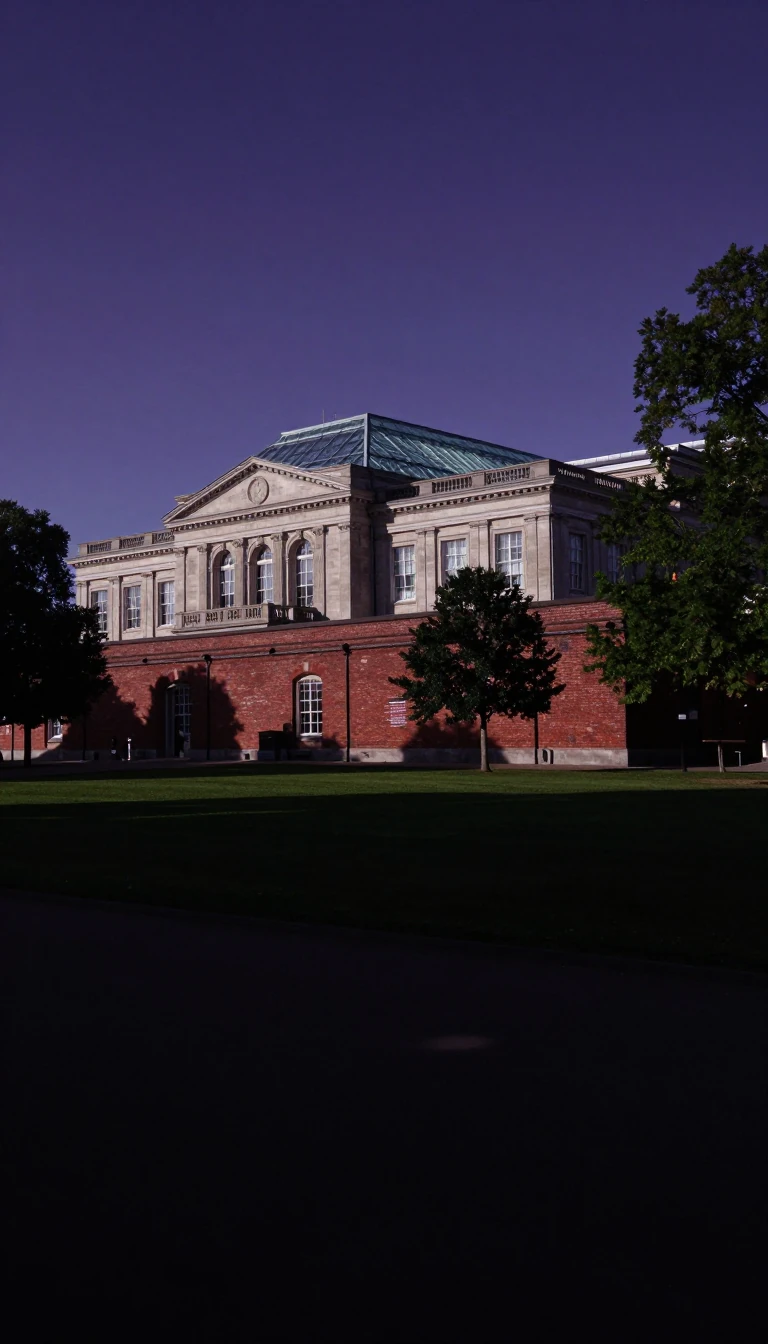
In short: Pierre L'Enfant envisioned a grand avenue for Washington, D.C., that would serve as a public space for all, rather than a private retreat for the elite. Today, this iconic landscape functions as America's front yard, hosting millions of visitors annually while preserving the nation's history and constitutional rights.
The National Mall is a complex, evolving landscape administered by the National Park Service. While often viewed as a singular entity, its boundaries have been defined and redefined over centuries. Pierre L'Enfant's original 1791 plan called for a garden-lined grand avenue stretching from the Congress House to an equestrian statue of George Washington. This vision was intended to be egalitarian, contrasting sharply with the exclusive, aristocratic gardens of Versailles.
The physical reality of the Mall has fluctuated significantly since its inception. In the 19th century, the area was shaped by the Washington City Canal, which eventually became a polluted waterway before being covered in 1871. Architect Andrew Jackson Downing later introduced a naturalistic landscape design in the 1850s, leading to the creation of various parks. Today, the Mall is home to over 100 monuments and memorials, including the Washington Monument, which stands near the site originally intended for L'Enfant's equestrian statue.
Modern administration of the Mall involves balancing preservation with public utility. The National Park Service manages the space to host national events and public gatherings, ensuring it remains a stage for the exercise of constitutional rights. Funding for restoration and enrichment is supported by the nonpartisan Trust for the National Mall. Despite its status as a historic site, the Mall remains a living, changing space, evidenced by the 2026 return of the Smithsonian Carousel and the 2016 opening of the National Museum of African American History and Culture.
Defining the Mall's exact footprint remains a subject of administrative nuance. While the National Mall proper is often cited as the area between the Capitol and the Washington Monument, broader definitions include West Potomac Park and Constitution Gardens. Legislative actions, such as the 2012 transfer of Union Square to the Architect of the Capitol, further illustrate how the jurisdiction and physical boundaries of this civic space remain fluid, reflecting the ongoing evolution of the nation's capital.
Opens the Intellect+ feed with this card first. Swipe up for the next one.
Sources
- Summary by Intellect · source: National Mall
- Also: Wikidata — National Mall · CC0
- Also: www.nps.gov — National Mall and Memorial Parks (U.S. National Park Service)
- Also: Wikidata — National Mall and Memorial Parks · CC0
To cite this card, link to https://intellectplus.co.uk/app/places-national-mall.
How we source, check and correct cards: Editorial standards.
General information, not professional advice. Spotted an error? Flag the card or see corrections and complaints.
Intellect Plus is a visual educational discovery platform for exploring fascinating facts and ideas. Brain Food, Not Brain Rot. What is Intellect Plus?
Related
More in Parks, preserves, and World Heritage Sites · More in Countries & Cities · Latest · A–Z · All topics
