Was this ancient Parthian fortress a royal palace or a grand imperial tomb?
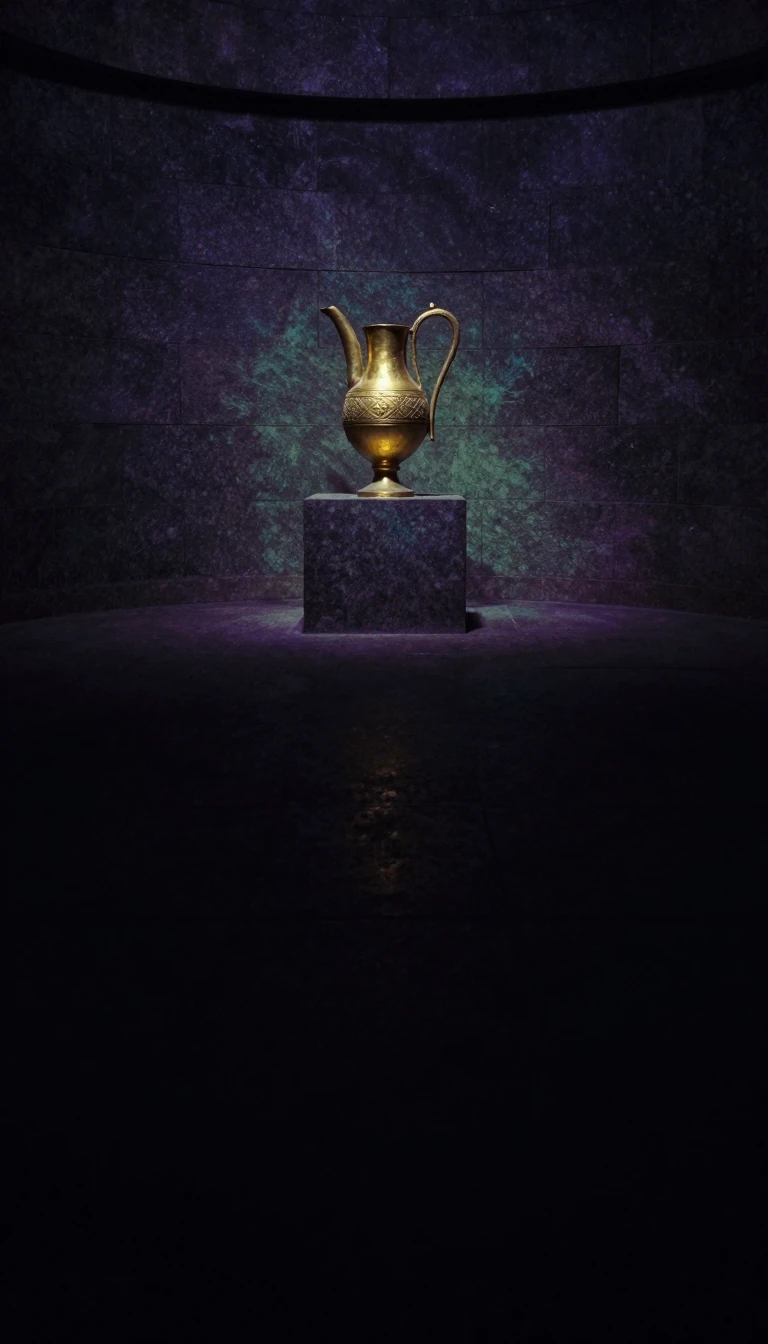
In short: Located near modern Ashgabat, Nisa was once a thriving hub of the Parthian Empire. While often cited as the first seat of the Arsacid dynasty, its true purpose remains a mystery. Archaeologists continue to debate whether this site served as a royal residence, a mausoleum, or something else entirely.
Nisa, also known as Parthaunisa, sits roughly 18 kilometers west of the center of Ashgabat, Turkmenistan. Traditionally linked to the reign of Arsaces I, who ruled from approximately 250 BC to 211 BC, the site is frequently described as the inaugural capital of the Arsacid Empire. However, despite its historical significance, scholars have yet to definitively confirm whether the fortress functioned as a royal residence or a final resting place for the Parthian kings.
The site underwent a significant transformation under Mithridates I, who reigned from about 171 BC to 138 BC. He renamed the settlement Mithradātkert, meaning the fortress of Mithradates. During this era, the region gained fame for the exceptional quality of its horses, which were prized for their strength, agility, and beauty. As a central trading hub, the city flourished until a catastrophic earthquake leveled it during the first decade BC.
Excavations have uncovered a wealth of artifacts that highlight the cultural complexity of the Parthian world. Researchers have found substantial architectural remains, including shrines and mausoleums, alongside a looted treasury and numerous inscribed documents. The site is particularly noted for its collection of Hellenistic art, ivory rhytons, and coins featuring a blend of Iranian motifs and classical mythological scenes. These discoveries offer a glimpse into a sophisticated society that sat at the crossroads of ancient civilizations.
Recognized for its immense historical value, the fortress was officially designated a UNESCO World Heritage Site in 2007. Ongoing conservation efforts, including work on ancient murals, continue to shed light on the site's past. While the physical ruins provide tangible evidence of its former glory, the lack of conclusive records regarding its primary function ensures that Nisa remains a subject of intense academic fascination and ongoing investigation.
Opens the Intellect+ feed with this card first. Swipe up for the next one.
Sources
- Summary by Intellect · source: Nisa, Turkmenistan
- Also: Wikidata — Nisa · CC0
To cite this card, link to https://intellectplus.co.uk/app/places-nisa-turkmenistan.
How we source, check and correct cards: Editorial standards.
General information, not professional advice. Spotted an error? Flag the card or see corrections and complaints.
Intellect Plus is a visual educational discovery platform for exploring fascinating facts and ideas. Brain Food, Not Brain Rot. What is Intellect Plus?
Related
More in World Heritage Sites · More in Countries & Cities · Latest · A–Z · All topics
