Why did an ancient king build a massive, isolated city in the desert?
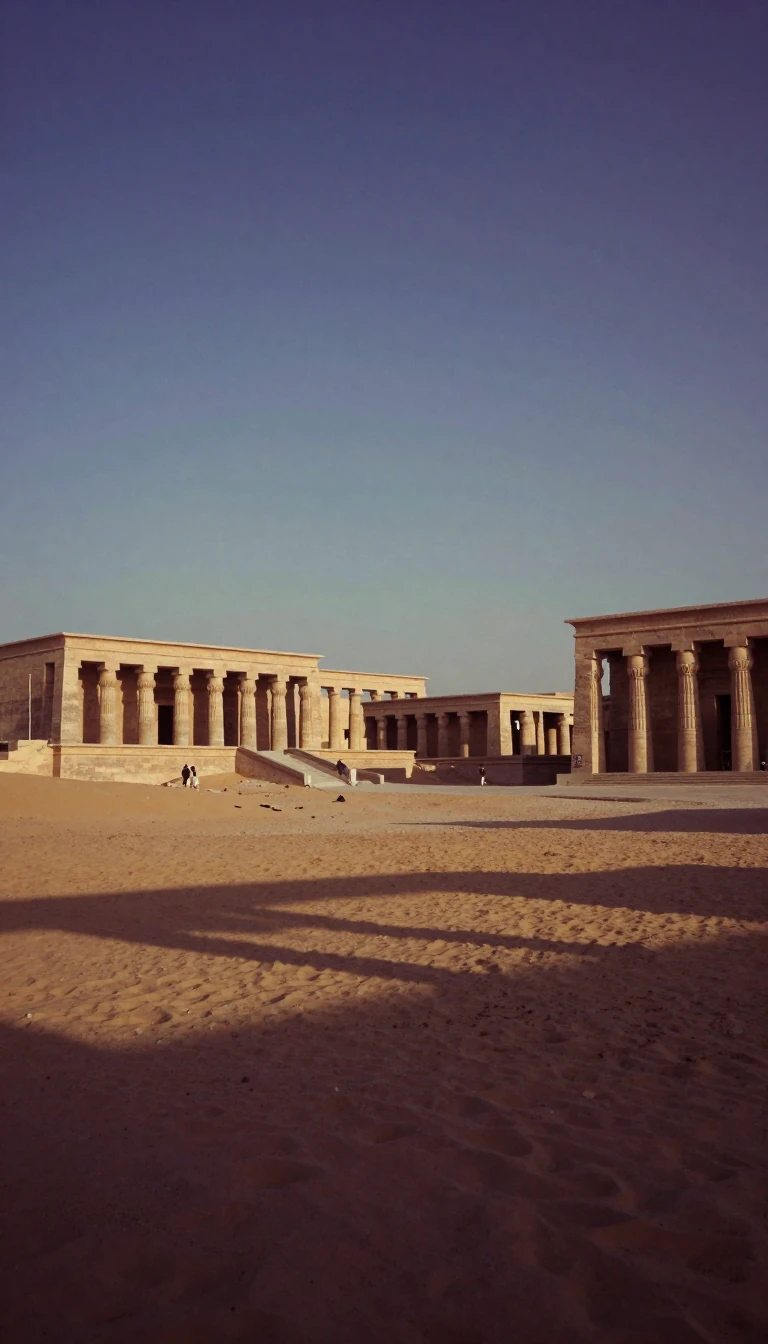
In short: Chogha Zanbil, an ancient Elamite complex in Iran, remains one of the world's best-preserved stepped pyramids. Built around 1250 BC by King Untash-Napirisha, this sacred city was likely intended to unite highland and lowland gods, yet it was rarely inhabited by anyone beyond a small circle of priests and servants.
Known as Dur Untash, or 'town of Untash,' this site was constructed in the 14th or 13th century BC to honor the god Inshushinak. The complex is defined by three concentric walls, with the innermost area dominated by a massive ziggurat. Originally reaching about 53 metres in height across five levels, the structure was crowned with a temple and faced with baked bricks inscribed in Elamite and Akkadian. Today, it stands at 24.75 metres, yet it remains the finest example of such a monument identified by UNESCO.
The site served as a religious hub, housing eleven temples for various deities, including Nabu and Adad, alongside sanctuaries for others like Kiririsha. Beneath the courtyard, archaeologists discovered five royal tombs, one of which contained an undisturbed adult female buried with grave goods. Scholars speculate that Untash-Napirisha aimed to create a new religious center that might have eventually replaced Susa, effectively unifying the diverse gods of the Elamite realm at a single, monumental location.
The city's history is marked by its eventual destruction, widely attributed to the Neo-Assyrian ruler Ashurbanipal around 645 BC. While the site was largely abandoned, it was rediscovered in the 20th century by a geologist exploring for oil. Excavations between 1951 and 1962, led by Roman Ghirshman, removed nearly 76,000 cubic metres of debris. Today, the site faces modern threats; global demand for petroleum has led to seismic testing and drilling as close as 300 metres from the ziggurat, endangering the foundations of this ancient architectural marvel.
Opens the Intellect+ feed with this card first. Swipe up for the next one.
Sources
- Summary by Intellect · source: Chogha Zanbil
- Also: Wikidata — Chogha Zanbil · CC0
- Also: Wikidata — Chogha Zanbil · CC0
To cite this card, link to https://intellectplus.co.uk/app/places-chogha-zanbil.
How we source, check and correct cards: Editorial standards.
General information, not professional advice. Spotted an error? Flag the card or see corrections and complaints.
Intellect Plus is a visual educational discovery platform for exploring fascinating facts and ideas. Brain Food, Not Brain Rot. What is Intellect Plus?
Related
More in World Heritage Sites · More in Countries & Cities · Latest · A–Z · All topics
