Why Japan's Land of Sunshine is a masterclass in urban resilience and reinvention
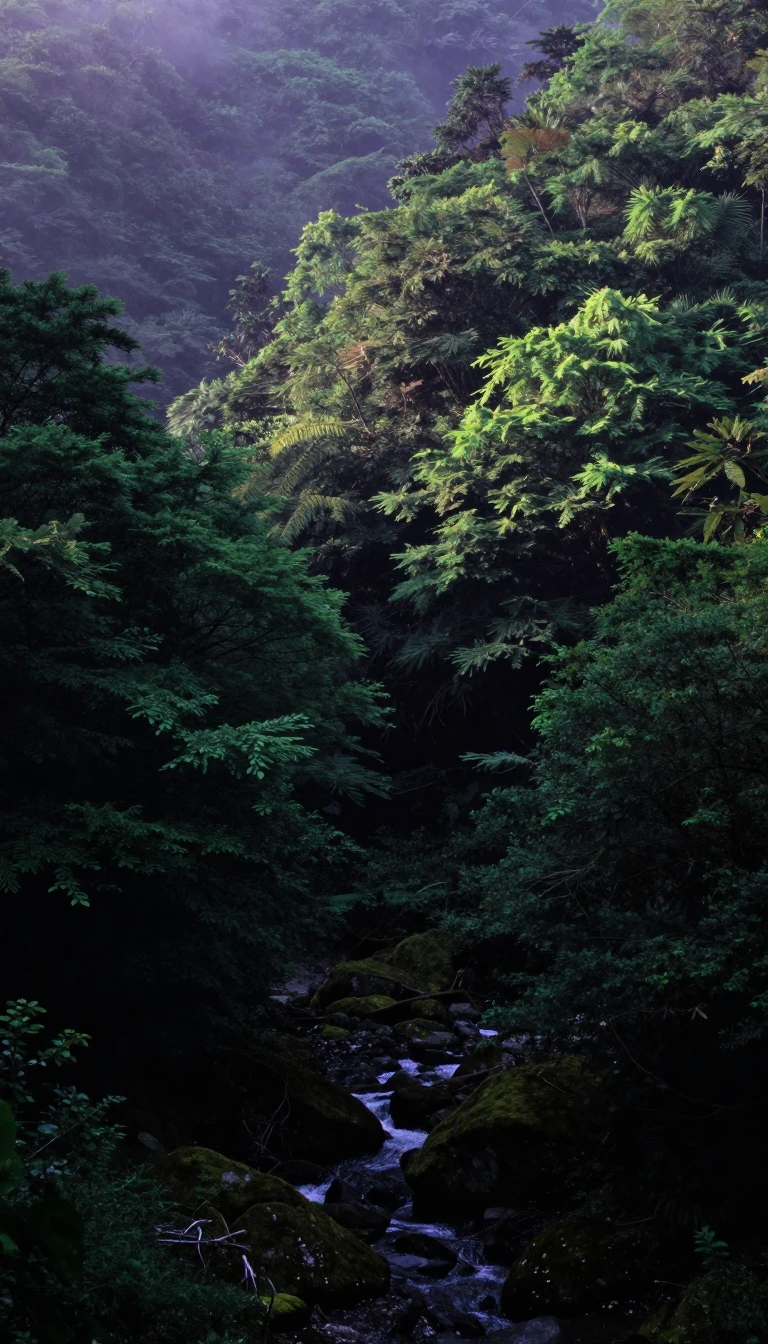
In short: Known as the Land of Sunshine for its record-breaking lack of rain, Okayama is more than a climate anomaly. From its origins as a 16th-century feudal stronghold to its modern status as a vital transport hub, this Japanese city has repeatedly rebuilt itself after war and disaster to thrive.
Okayama’s history is defined by strategic adaptation. In the late 16th century, Ukita Naoie established a stronghold near the Asahi River, which his successor, Ukita Hideie, transformed into a castle town by redirecting river channels to serve as defensive moats. This layout persisted through centuries of feudal rule, even as the city transitioned into a regional center for education and transport during the Meiji period. The city’s development was significantly accelerated by the arrival of the San'yo Main Line, which turned it into a crucial node in western Japan.
The city’s resilience was tested during World War II. As a garrison city for the Imperial Japanese Army, it became a target for American air raids. On June 29, 1945, firebombing destroyed the urban core and the original castle keep, claiming over 1,700 lives. Yet, postwar reconstruction was remarkably faithful to the original castle-town grid. By 1966, the castle keep was reconstructed, restoring the iconic silhouette of the Ujō, or Crow Castle, which remains a landmark today alongside the Kōraku-en garden, one of Japan’s top three traditional gardens.
Modern Okayama has leveraged its geography to become a vital economic and transit artery. The opening of the San'yō Shinkansen in 1972 and the Seto-Ōhashi Bridge in 1988 cemented its role as a bridge between Honshū and Shikoku. Today, the city serves as a designated city with increased autonomy, balancing its industrial base—which includes machine tools and chemicals—with a unique agricultural identity. It remains one of the few places in Japan warm enough to cultivate olive trees, a testament to the mild, sunny climate that continues to define its character.
Opens the Intellect+ feed with this card first. Swipe up for the next one.
Sources
- Summary by Intellect · source: Okayama
- Also: Wikidata — Okayama · CC0
To cite this card, link to https://intellectplus.co.uk/app/places-okayama.
How we source, check and correct cards: Editorial standards.
General information, not professional advice. Spotted an error? Flag the card or see corrections and complaints.
Intellect Plus is a visual educational discovery platform for exploring fascinating facts and ideas. Brain Food, Not Brain Rot. What is Intellect Plus?
Related
More in Asia · More in Countries & Cities · Latest · A–Z · All topics
