How a bedroom stop-motion studio revolutionized British children's television
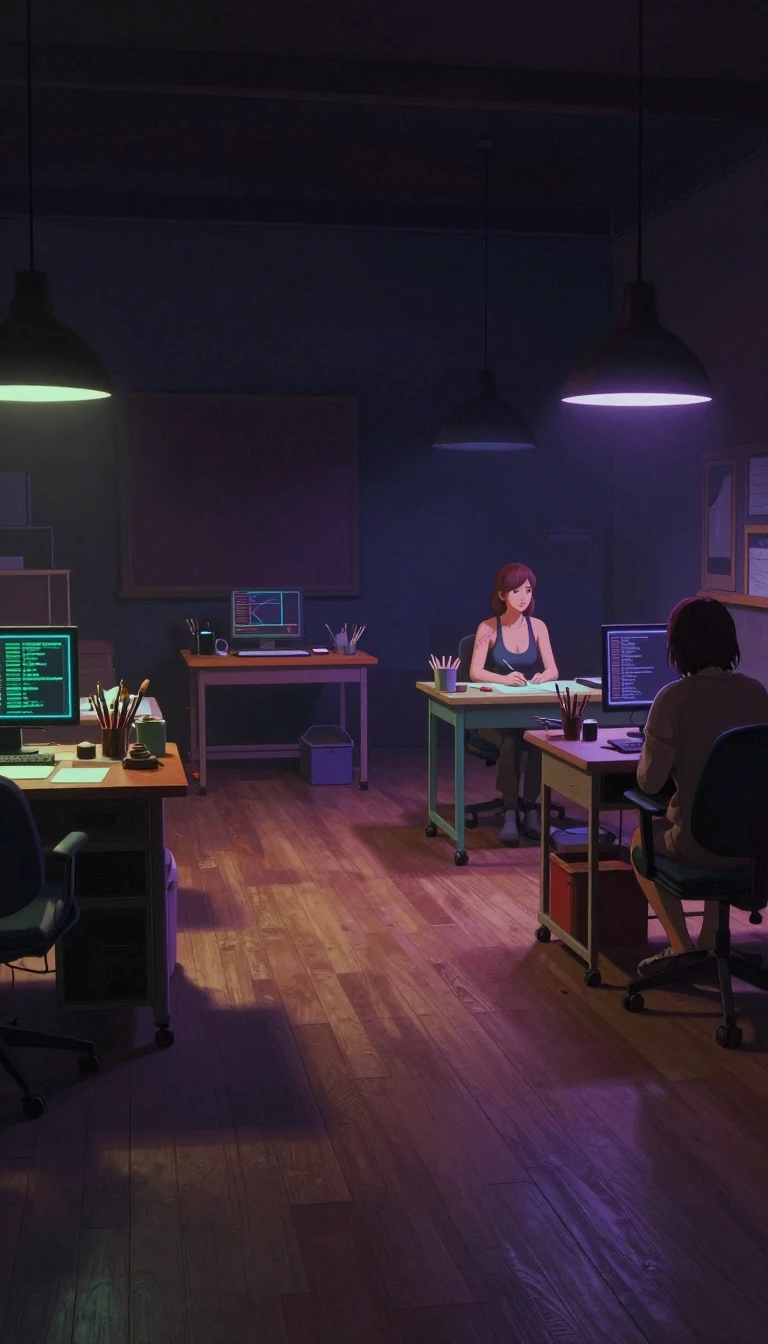
In short: Before the era of massive animation studios, Oliver Postgate was creating iconic worlds from a disused cowshed. By using ingenious, low-budget techniques, he produced content ten times faster than conventional studios, proving that profound storytelling doesn't require a massive budget—just a bit of imagination and a 16mm camera.
Oliver Postgate, a British animator and writer, became a cornerstone of British children's television through his company, Smallfilms. Founded alongside artist Peter Firmin, the company operated out of a disused cowshed in Blean, near Canterbury, Kent. Their efficiency was remarkable; Postgate could produce two minutes of film per day, which was ten times the output of a conventional animation studio. This was achieved by Postgate manually moving cardboard pieces and filming frame-by-frame using a home-made clicker and a 16mm camera.
The production of these programmes often relied on creative problem-solving to manage tight budgets. For the series Alexander the Mouse, Postgate utilized an Irish-produced magnetic system where characters were attached to painted backgrounds via magnets. Later, for the film-based Chinese story The Journey of Master Ho—designed specifically for deaf children to reduce costs by omitting a soundtrack—a classical Chinese painter provided backgrounds in a three-quarters view. This stylistic mismatch caused the Firmin-produced characters to appear as though they were short in one leg, yet the production was a success.
Postgate's work spanned several decades, from the 1950s through the 1980s, and included beloved series such as Ivor the Engine, Noggin the Nog, and Clangers. His storytelling was characterized by a strict adherence to logic; he famously resisted 'fantasy for its own sake,' insisting that even surreal environments must follow consistent laws of physics and cause and effect. His impact proved immense; a 1999 BBC poll ranked his creation, Bagpuss, as the greatest children's TV show ever.
Beyond animation, Postgate was an active intellectual and artist. He was a conscientious objector during the Second World War and later became involved in anti-nuclear campaigning in the 1970s and 1980s. He also produced large-scale paintings, such as a 50-foot-long illumination of the life of Thomas Becket, and was awarded an honorary degree by the University of Kent in 1987—a distinction he jokingly suggested was intended for Bagpuss.
Opens the Intellect+ feed with this card first. Swipe up for the next one.
Sources
- Summary by Intellect · source: Oliver Postgate
- Also: Wikidata — Oliver Postgate · CC0
To cite this card, link to https://intellectplus.co.uk/app/places-oliver-postgate.
How we source, check and correct cards: Editorial standards.
General information, not professional advice. Spotted an error? Flag the card or see corrections and complaints.
Intellect Plus is a visual educational discovery platform for exploring fascinating facts and ideas. Brain Food, Not Brain Rot. What is Intellect Plus?
Related
More in Seaside towns · More in Countries & Cities · Latest · A–Z · All topics
