Panihati: From a 13th-century fort to a modern industrial hub in West Bengal
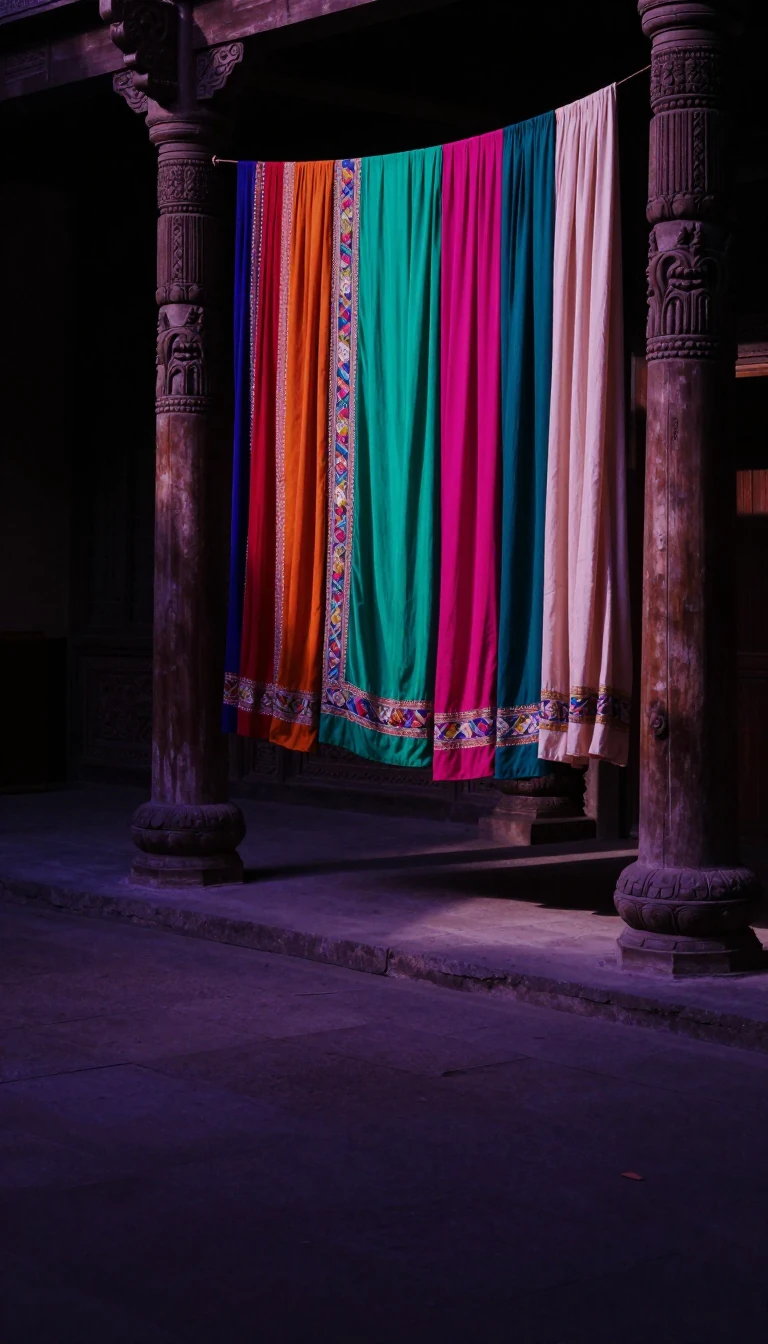
In short: Once a vital trading center known as Pannyahati, this West Bengal municipality has evolved from a legendary 13th-century fortification into a dense urban landscape. Today, it serves as a significant part of the Kolkata Metropolitan Area, balancing a rich spiritual heritage with a history of manufacturing and academic growth.
Panihati, located in the North 24 Parganas district, carries a legacy that stretches back to the 13th century, when Maharaja Chandraketu of Deganga reportedly established a fort there. Historically, the town functioned as a major commercial hub, earning the name Pannyahati, or 'Emporium for Merchandise,' due to its reliance on river transport. Its cultural significance is deeply rooted in the Gaudiya Vaishnava tradition; the town is mentioned in various 16th-century literary texts, including works by Jayananda and Brindaban Das, and is considered holy by followers who believe Sri Chaitanya Mahaprabhu and his associate Nityananda visited the site.
The 20th century transformed Panihati into an industrial center. In 1920, Bengal Chemicals and Pharmaceuticals established a plant in the town, followed by the relocation of Bengal Waterproof Works—famous for the Duckback brand—in 1932. The town also hosted several cotton mills, such as the Basanti Cotton Mill, inaugurated by Rabindranath Tagore in 1934. While some of these early industries have since closed or been repurposed, the town remains a manufacturing base, notably hosting units for Texmaco Rail and Engineering Ltd., which was founded by K.K. Birla in 1939.
Modern Panihati is a highly urbanized municipality within the Kolkata Metropolitan Development Authority jurisdiction. According to the 2011 Census, the city housed 377,347 residents, maintaining a high literacy rate of 91.92% among those over six years old. The area is well-connected by the Barrackpore Trunk Road and the Eastern Railway suburban network. Beyond its industrial and residential character, the town has become an educational node, home to institutions like the Narula Institute of Technology, established in 2001, and the Guru Nanak Institute of Technology, founded in 2003. It also holds historical significance for India's independence movement, having hosted Mahatma Gandhi at the Sodepur Khadi Pratisthan on multiple occasions between 1939 and 1947.
Opens the Intellect+ feed with this card first. Swipe up for the next one.
Sources
- Summary by Intellect · source: Panihati
- Also: Wikidata — Panihati · CC0
To cite this card, link to https://intellectplus.co.uk/app/places-panihati.
How we source, check and correct cards: Editorial standards.
General information, not professional advice. Spotted an error? Flag the card or see corrections and complaints.
Intellect Plus is a visual educational discovery platform for exploring fascinating facts and ideas. Brain Food, Not Brain Rot. What is Intellect Plus?
Related
More in Asia · More in Countries & Cities · Latest · A–Z · All topics
