Palu: The Indonesian city built on a fault line and a history of transformation.
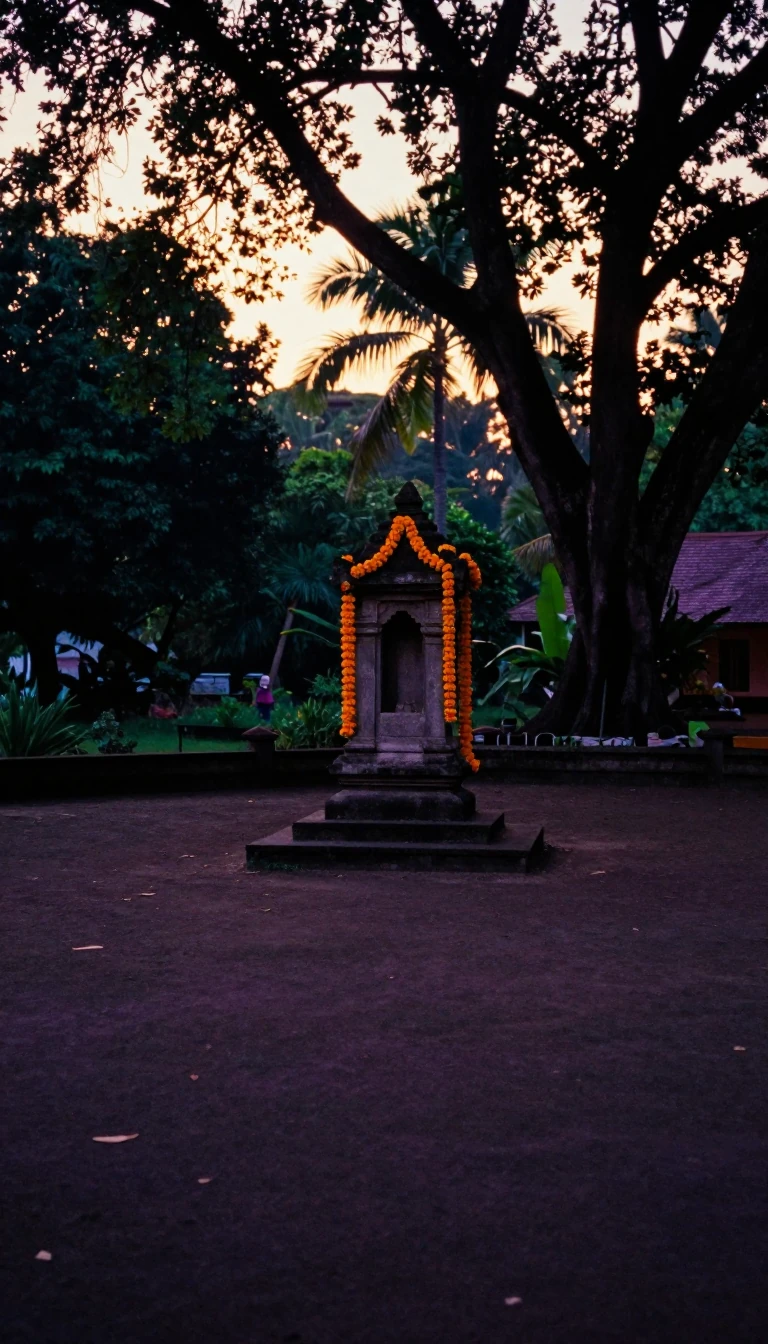
In short: Palu, the capital of Central Sulawesi, is a city defined by its precarious geography and rapid evolution. Once a small agricultural town, it has grown into a major regional hub, despite being situated directly on the active Palu-Koro Fault, which triggered a world-record soil liquefaction event in 2018.
The history of Palu is a layered narrative of shifting power and identity. Before its formalization as a provincial capital in 1953, the region evolved through distinct eras, from the early, often violent Tomalanggai period—where absolute rulers held sway—to the more structured Tomanuru Era. By the time the Dutch arrived in the 19th century, the region was a collection of kingdoms, such as Sigi and Bangga, which eventually fell under colonial influence. This colonial legacy was challenged during the 1942 Red and White Movement, an uprising that briefly revived the Kulawi Kingdom before the arrival of Japanese forces.
Geographically, Palu sits in a basin composed of young, unconsolidated alluvial deposits, making it highly vulnerable to seismic activity. The 300-kilometer-long Palu-Koro Fault, which cuts through the city, proved catastrophic in 2018. The resulting earthquake and tsunami caused massive soil liquefaction, rendering large areas uninhabitable. This disaster sparked intense debate about the city's future, with some officials proposing a total relocation of the capital to safer ground. However, reconstruction has been slow, hampered by land status ambiguities and the displacement of thousands of residents into temporary housing.
Today, Palu serves as the financial and educational heart of Central Sulawesi. While its economy was historically rooted in agriculture—specifically copra—it has diversified into construction, administration, and trade. The city is a melting pot of ethnicities, including the native Kaili people and various migrant groups, which has occasionally led to social tensions. Despite these challenges, the city maintains a high literacy rate and hosts several major institutions, including Tadulako University. As of 2025, the population has grown to over 400,000, reflecting its enduring role as a central hub in the Indonesian archipelago.
Opens the Intellect+ feed with this card first. Swipe up for the next one.
Sources
- Summary by Intellect · source: Palu
- Also: Wikidata — Palu · CC0
- Also: Wikidata — Palu · CC0
To cite this card, link to https://intellectplus.co.uk/app/places-palu.
How we source, check and correct cards: Editorial standards.
General information, not professional advice. Spotted an error? Flag the card or see corrections and complaints.
Intellect Plus is a visual educational discovery platform for exploring fascinating facts and ideas. Brain Food, Not Brain Rot. What is Intellect Plus?
Related
More in Asia · More in Countries & Cities · Latest · A–Z · All topics
