How a Brooklyn neighborhood transformed from a Gilded Age paradise to a modern landmark
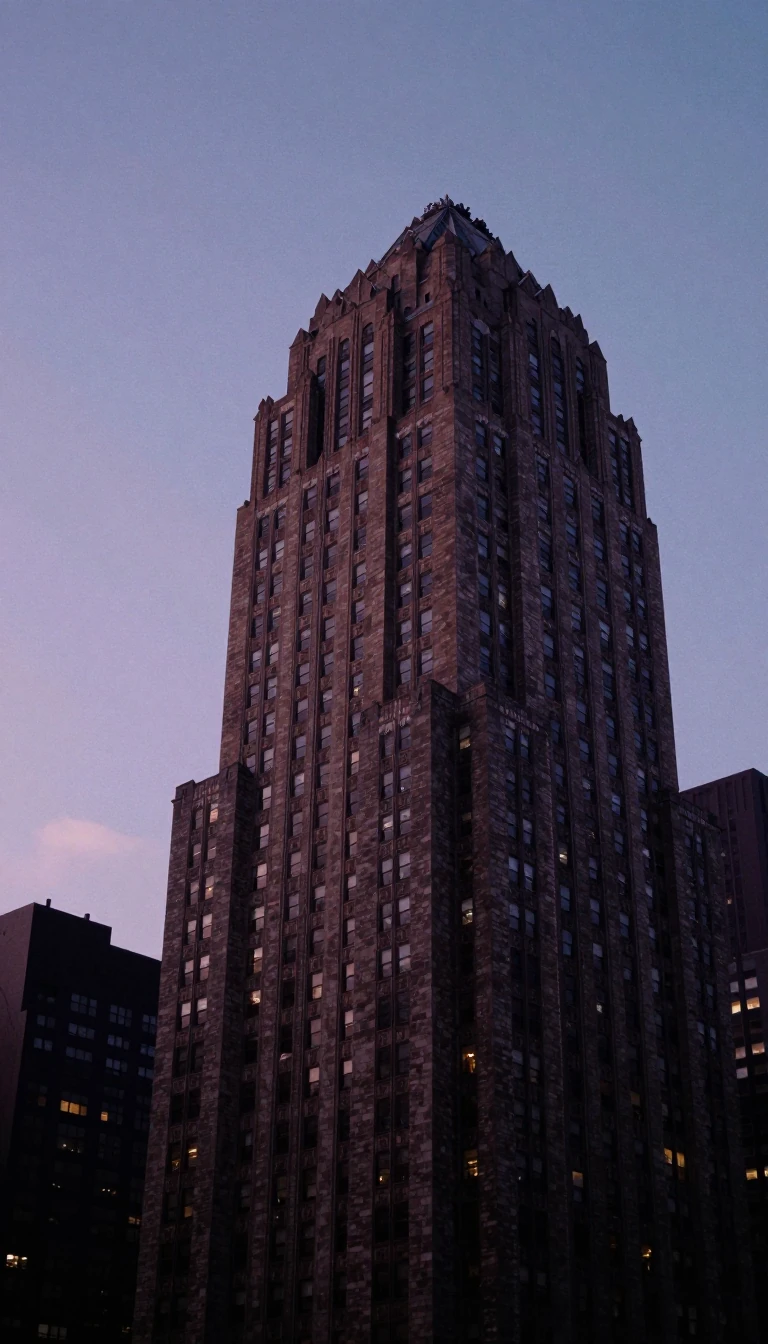
In short: Once the wealthiest community in the United States, Park Slope has survived industrial decline, social unrest, and a devastating 1960 plane crash. Today, this Brooklyn neighborhood stands as a massive historic district, blending its 19th-century brownstone architecture with a high-income, modern identity that defies the typical patterns of urban gentrification.
Park Slope’s history is defined by its relationship with the adjacent Prospect Park. Originally farmland settled by the Lenape and later Dutch colonists, the area began its transition into a suburb in the mid-19th century. By the 1890s, the neighborhood was the richest in the country, characterized by Victorian mansions and a bucolic setting that attracted wealthy New Yorkers. This Gilded Age prosperity was anchored by the development of the Gold Coast along Prospect Park West, where large mansions took advantage of park views.
The 20th century brought significant volatility. Following the 1898 consolidation of New York City, the area saw an exodus of wealthy families to the suburbs, leading to the subdivision of grand homes into rooming houses. By the mid-20th century, the neighborhood faced social and infrastructural decline, marked by ethnic tensions and a tragic 1960 aviation disaster when a United Airlines DC-8 crashed at Sterling Place and Seventh Avenue, killing 134 people on board and six on the ground. The area’s fortunes shifted again in the late 1960s, when young professionals began purchasing and renovating brownstones, sparking a wave of gentrification that persists today.
Today, Park Slope is recognized as New York’s largest landmark neighborhood, with 2,575 buildings protected by the Landmarks Preservation Commission. While the neighborhood remains high-income, recent data suggests it has moved beyond the active gentrification phase. With a median household income of $134,804 in 2018 and a poverty rate of 10%, it stands in stark contrast to the broader Brooklyn and citywide averages. Its evolution from a Gilded Age retreat to a modern, stable, and affluent district reflects the complex, cyclical nature of urban development in New York City.
Opens the Intellect+ feed with this card first. Swipe up for the next one.
Sources
- Summary by Intellect · source: Park Slope
- Also: Wikidata — Park Slope · CC0
- Also: Wikidata — PARK SLOPE · CC0
To cite this card, link to https://intellectplus.co.uk/app/places-park-slope.
How we source, check and correct cards: Editorial standards.
General information, not professional advice. Spotted an error? Flag the card or see corrections and complaints.
Intellect Plus is a visual educational discovery platform for exploring fascinating facts and ideas. Brain Food, Not Brain Rot. What is Intellect Plus?
Related
More in Asia · More in Countries & Cities · Latest · A–Z · All topics
