Patiala: The Royal City Where Forts and Ancient Traditions Define the Modern Landscape
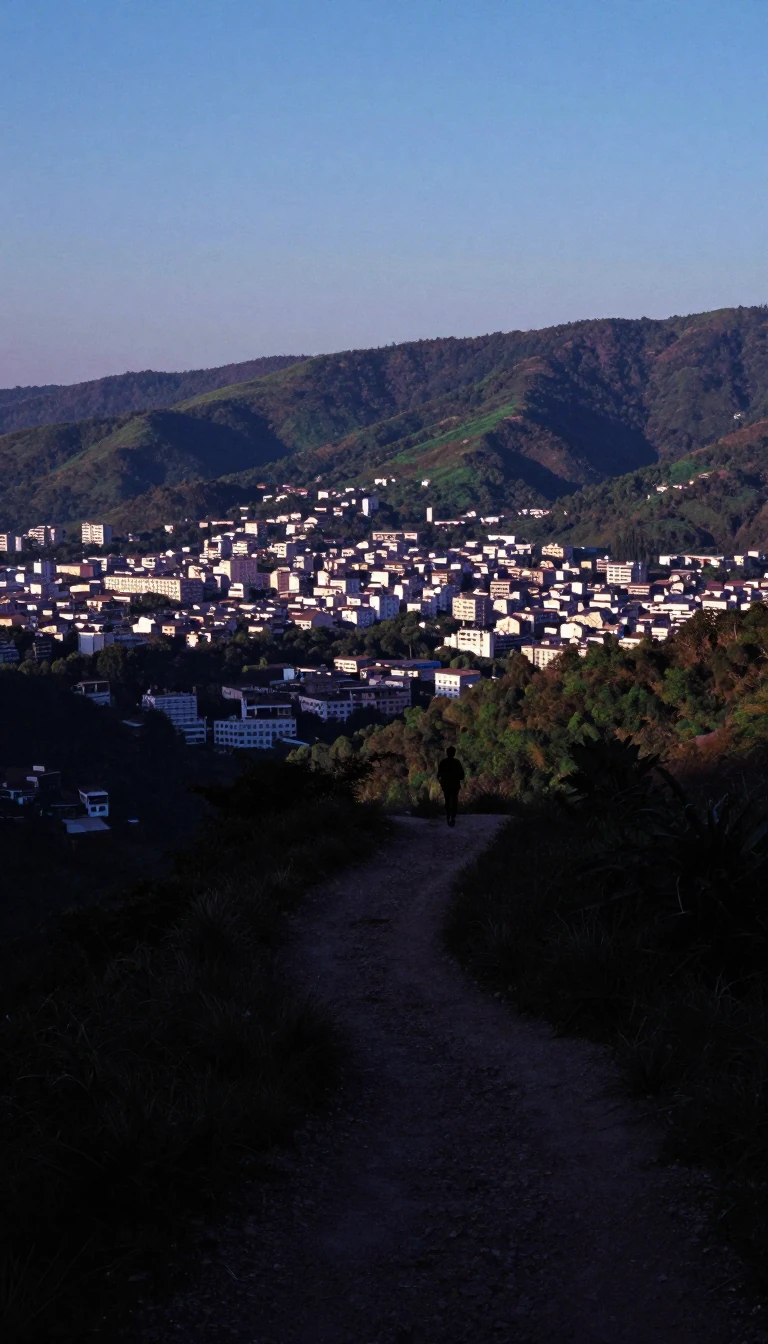
In short: Founded in 1763 by a Jat Sikh chieftain, Patiala evolved from a fortified settlement into a prominent administrative hub. Known for its distinct cultural exports—from the Patiala shahi turban to the generous Patiala peg—this city blends colonial-era architecture, royal heritage, and a deep-seated connection to its spiritual history.
The city of Patiala emerged around the Qila Mubarak, a fortress commissioned by Ala Singh to secure his growing influence in the region. Following the 1761 Third Battle of Panipat, the local rulers began asserting their sovereignty, eventually navigating decades of intense power struggles between the Afghan Durrani Empire, the Maratha Empire, and the Sikh Empire of Lahore. By 1808, the Raja of Patiala solidified his position by entering a treaty with the British, transforming the region into a 17-gun salute state that maintained its prestige throughout the British Raj.
Beyond its political history, Patiala is a repository of unique architectural and cultural landmarks. The city was designed with a layout reminiscent of temple architecture, featuring four historic gateways. Notable sites include the Sheesh Mahal, famous for its intricate frescoes, and the Kali Devi Temple, a national monument financed by Maharaja Bhupinder Singh in 1936. The city also hosts the Netaji Subhas National Institute of Sports, which occupies the former Old Moti Bagh Palace and preserves significant athletic memorabilia, such as the 95 kg exercise disc used by the wrestler known as the Great Gama.
Spiritual life remains central to the city's identity, exemplified by the Dukh Nivaran shrine. Local tradition holds that the ninth Sikh Guru, Tegh Bahadur, visited the site in 1672 to alleviate a mysterious illness affecting the village of Lehal. Today, the city serves as a modern administrative center, housing over 760,000 residents. It balances this growth with a commitment to heritage, as seen in the restoration of royal residences into luxury hotels and the preservation of rare manuscripts within the Central State Library, which holds a collection exceeding 135,000 volumes.
Opens the Intellect+ feed with this card first. Swipe up for the next one.
Sources
- Summary by Intellect · source: Patiala
- Also: Wikidata — Patiala · CC0
To cite this card, link to https://intellectplus.co.uk/app/places-patiala.
How we source, check and correct cards: Editorial standards.
General information, not professional advice. Spotted an error? Flag the card or see corrections and complaints.
Intellect Plus is a visual educational discovery platform for exploring fascinating facts and ideas. Brain Food, Not Brain Rot. What is Intellect Plus?
Related
More in Asia · More in Countries & Cities · Latest · A–Z · All topics
