The Philippine Trench hides the world's deepest shipwrecks beneath the Pacific Ocean floor
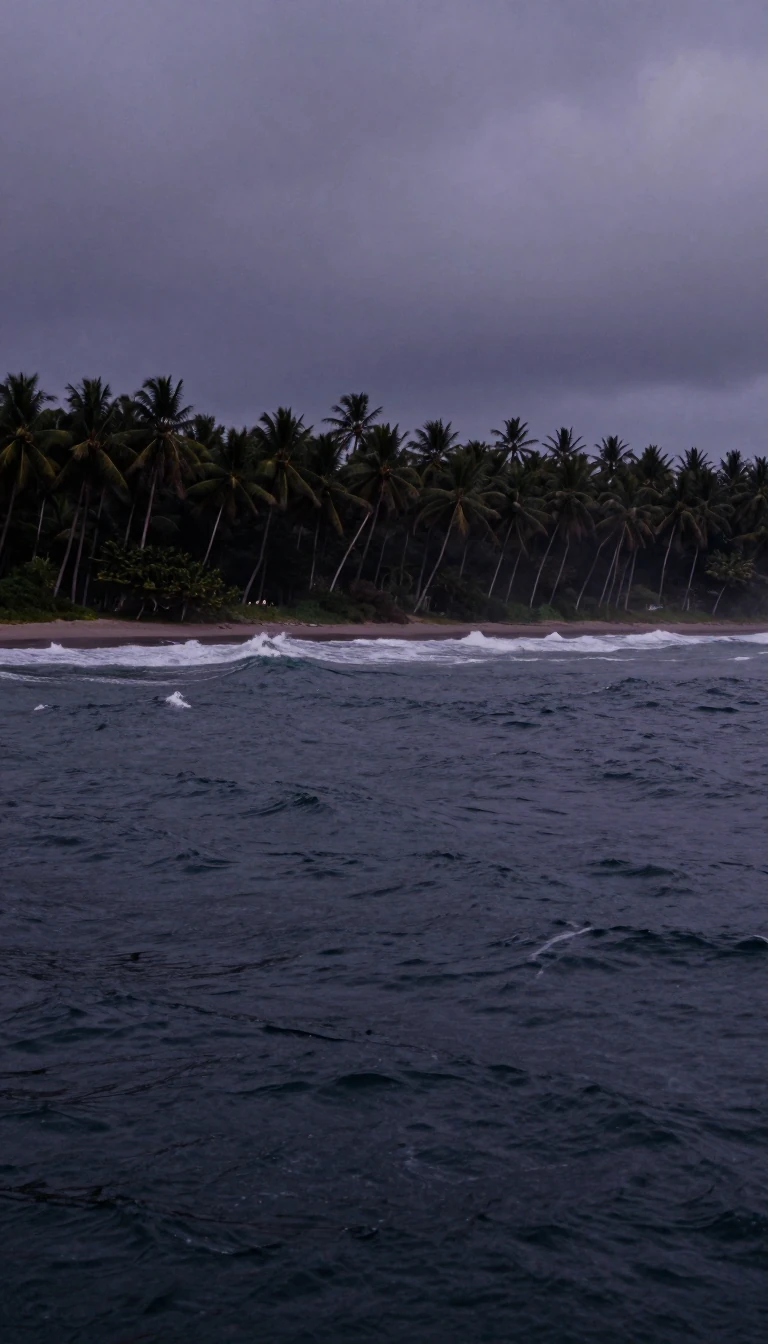
In short: Stretching over 1,300 kilometers, the Philippine Trench is a massive submarine depression in the North Pacific. Beyond its geological significance as a subduction zone, this abyss serves as a final resting place for historic vessels, housing the deepest shipwrecks ever discovered by human exploration in the deep sea.
Located east of the Philippines, the Philippine Trench—also known as the Mindanao Deep—is a colossal feature of the Earth's crust. It spans approximately 1,320 kilometers in length and 30 kilometers in width, running from Luzon in the north to Halmahera in Indonesia. Its most extreme point, the Emden Deep, plunges to a staggering 10,540 meters below the surface. Geologically, the trench is relatively young, estimated to be less than 8 to 9 million years old, formed by the collision of the Palawan and Zamboanga plates. This interaction created a subduction zone where the ocean floor is actively pulled downward at a rate of about 15 centimeters per year.
The region is a site of significant geological tension. While some researchers have historically debated the level of seismic activity here, the United States Geological Survey has documented numerous powerful earthquakes. Notable events include the 1897 northern Samar earthquake at magnitude 7.3, a 1924 southern Mindanao quake at magnitude 8.2, and the 2012 Samar earthquake, which registered a magnitude of 7.6. These events underscore the dynamic nature of the convergent zone that borders nearly half of the trench's length today.
Beyond its seismic profile, the trench is a graveyard of naval history. The Battle off Samar took place directly over these waters, leading to the sinking of ships that now rest at extreme depths. Among these are the USS Samuel B. Roberts, located at 6,890 meters, and the USS Johnston, found at 6,460 meters. These sites are preserved in a unique environment characterized by sedimentation containing metamorphosed rock and basaltic andesite, likely deposited by rapid underwater turbidity currents. The southern sections of the trench are notably composed of homogeneous blue clay silt, providing a stark, silent backdrop to these remnants of human conflict.
Opens the Intellect+ feed with this card first. Swipe up for the next one.
Sources
- Summary by Intellect · source: Philippine Trench
- Also: Wikidata — Philippine Trench · CC0
To cite this card, link to https://intellectplus.co.uk/app/places-philippine-trench.
How we source, check and correct cards: Editorial standards.
General information, not professional advice. Spotted an error? Flag the card or see corrections and complaints.
Intellect Plus is a visual educational discovery platform for exploring fascinating facts and ideas. Brain Food, Not Brain Rot. What is Intellect Plus?
Related
More in Other hydrological features · More in Countries & Cities · Latest · A–Z · All topics
