Is Pokhara a Himalayan paradise or a city built on a prehistoric landslide?
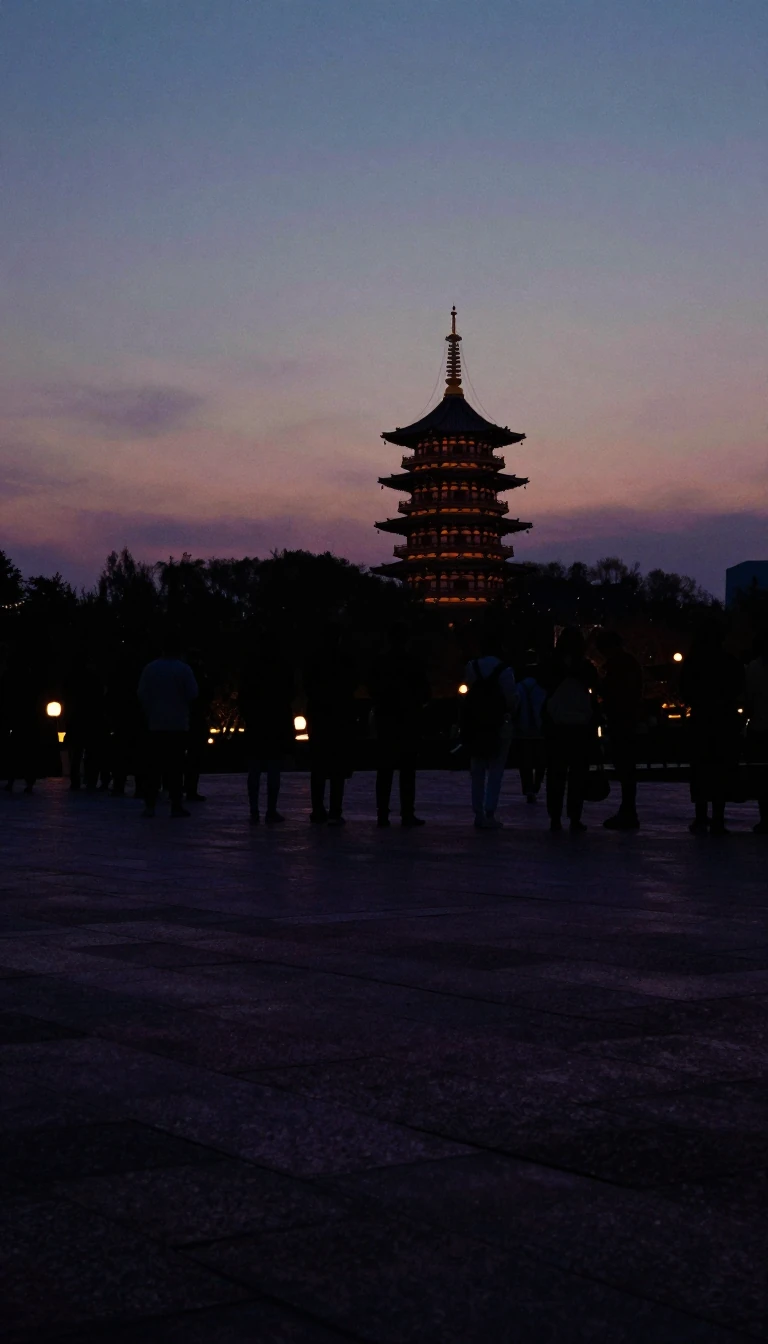
In short: Known as Nepal's tourism capital, Pokhara sits beneath the towering Annapurna range. While trekkers flock here for its serene lakes and mountain views, the city's foundation is surprisingly violent. Beneath the modern streets lies a landscape shaped by ancient megafloods and a massive prehistoric landslide from Annapurna IV.
Pokhara, the second-largest city in Nepal, is defined by its dramatic geography. Situated in a valley at an average elevation of 822 meters, it serves as the gateway to the Annapurna Circuit. The city’s name is a variant of the Nepali word for 'pond,' a fitting title for a place bordered by Phewa Lake and surrounded by seven smaller lakes to the east. However, the valley's stability is deceptive. Geological research suggests the area has been battered by medieval earthquakes in 1000, 1255, and 1344 AD, while a 2023 study indicates that a catastrophic landslide around 1190 AD deposited 23 cubic kilometers of material from Annapurna IV directly into the basin where the city now stands.
The city's history is as layered as its geology. Once a vital trading hub on routes between India and Tibet, it was incorporated into the Kingdom of Nepal by Prithvi Narayan Shah in 1786. Its development as a commercial center accelerated in the 1770s when the King of Kaski invited Newar families from Bhaktapur to establish a market. Today, the city is a melting pot of Khas, Gurung, and Magar communities, with a visible minority of Tibetan exiles who arrived following the 1959 annexation of Tibet. These communities have built a unique culture, supported by a strong military tradition—Pokhara remains a major recruitment and pension hub for elite Gurkha soldiers serving globally.
Since the completion of the Siddhartha Highway in 1968, Pokhara has transformed from a remote, mystical settlement into a bustling metropolitan center. While tourism, manufacturing, and service industries now dominate the economy, the city retains a loose, green layout compared to the dense capital, Kathmandu. Despite its rapid urbanization and status as a tourism hub, the region remains highly disaster-prone. The Seti Gandaki River, which carves deep, narrow gorges through the city, and the high annual precipitation—reaching up to 5,600 mm in nearby Lumle—serve as constant reminders of the powerful natural forces that continue to shape this Himalayan valley.
Opens the Intellect+ feed with this card first. Swipe up for the next one.
Sources
- Summary by Intellect · source: Pokhara
- Also: Wikidata — Pokhara · CC0
- Also: Wikidata — Pokhara · CC0
To cite this card, link to https://intellectplus.co.uk/app/places-pokhara.
How we source, check and correct cards: Editorial standards.
General information, not professional advice. Spotted an error? Flag the card or see corrections and complaints.
Intellect Plus is a visual educational discovery platform for exploring fascinating facts and ideas. Brain Food, Not Brain Rot. What is Intellect Plus?
Related
More in Asia · More in Countries & Cities · Latest · A–Z · All topics
