A Canadian city isolated by mountains and sea, yet home to a historic industrial legacy.
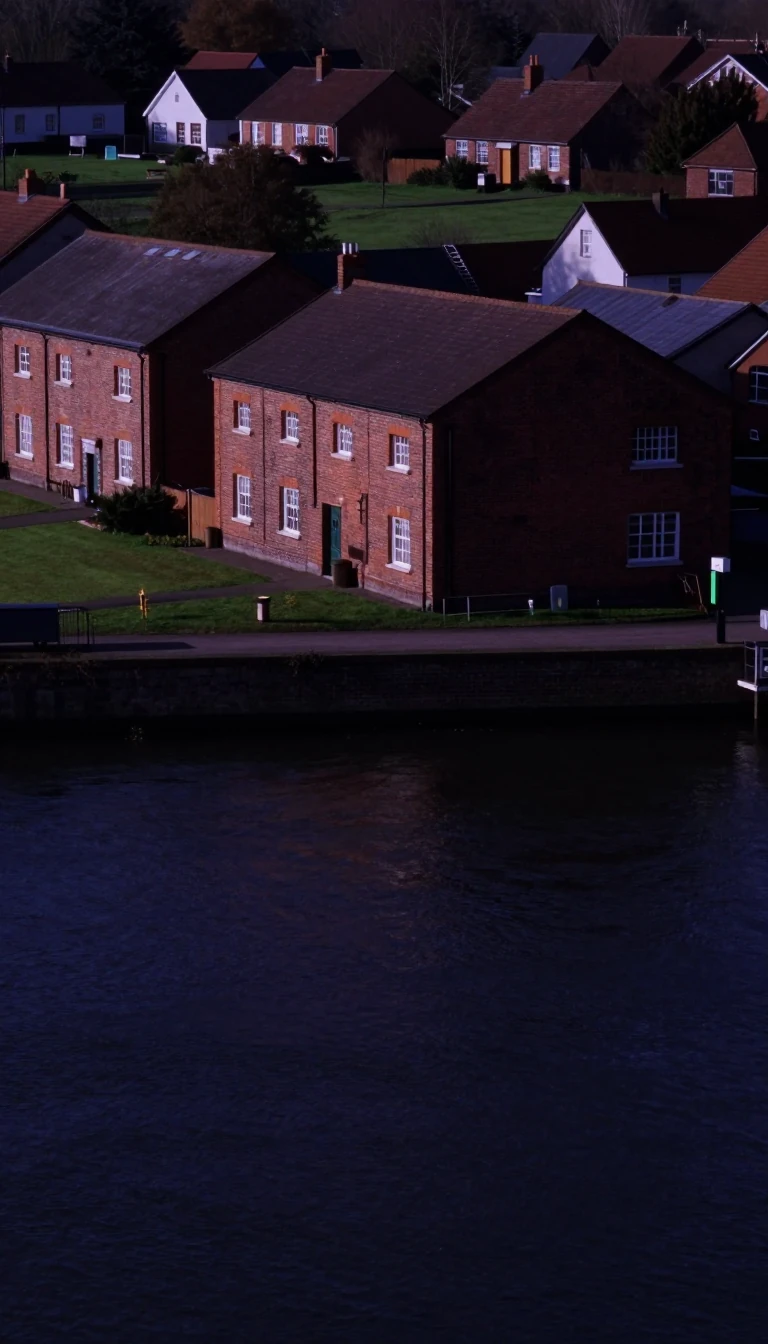
In short: Powell River, British Columbia, is a coastal community defined by its striking geography. Hemmed in by steep-sided fjords and the Pacific Ocean, it remains accessible only by air or ferry. Once the site of the world's largest pulp and paper mill, this city now balances its industrial roots with a thriving arts scene.
The city's development is inextricably linked to its geography and industry. Founded as a company town in 1910 to support the Powell River Company, it became a global powerhouse in paper production. At its peak, the local mill manufactured one out of every 25 newspapers printed worldwide. This industrial history is preserved in the Historic Townsite District, a planned community designated as a National Historic Site of Canada in 1995. The mill itself, however, saw its operations permanently curtailed in 2023, leading to a recent agreement to reclaim the land for the Tla'amin First Nation and Domtar.
Isolation remains a defining characteristic of life in Powell River. Because of the rugged, mountainous terrain and deep inlets, building a road connection to the rest of the British Columbia mainland is an expensive challenge. Proposals for a land-based route to Highway 99 have been studied, but such a project would require two massive tunnels—one 4.5 km and another 8.0 km long—with an estimated cost of 5 billion dollars. Consequently, residents rely on BC Ferries or small aircraft to reach other parts of the province, including Vancouver.
Beyond its industrial past, the city has pivoted toward ecotourism and culture. It was named a Cultural Capital of Canada in 2004 and hosts various festivals, such as the International Choral Kathaumixw. The area is also a hub for outdoor enthusiasts, featuring over 400 km of cycling trails and the Sunshine Coast Trail, which holds the title of Canada's longest hut-to-hut hiking route. The local climate is unique as well; situated within a temperate rainforest, it experiences a warm-summer Mediterranean climate, making it the most northerly location of its kind in the northern hemisphere.
The region's history is also marked by the displacement of the Tla'amin people, who were forcibly removed from their ancestral village of tiskʷat in the 1880s. Today, the community is working toward reconciliation, exemplified by the Tla'amin Nation gifting the name tiwšɛmawtxw—meaning 'house of learning'—to the local Vancouver Island University campus. This blend of colonial history, industrial evolution, and Indigenous heritage continues to shape the identity of this remote coastal city.
Opens the Intellect+ feed with this card first. Swipe up for the next one.
Sources
- Summary by Intellect · source: Powell River, British Columbia
- Also: Wikidata — Powell River · CC0
To cite this card, link to https://intellectplus.co.uk/app/places-powell-river-british-columbia.
How we source, check and correct cards: Editorial standards.
General information, not professional advice. Spotted an error? Flag the card or see corrections and complaints.
Intellect Plus is a visual educational discovery platform for exploring fascinating facts and ideas. Brain Food, Not Brain Rot. What is Intellect Plus?
Related
More in Urban studies and planning · More in Countries & Cities · Latest · A–Z · All topics
