How a dam project accidentally revealed the world's largest open-air Paleolithic art gallery.
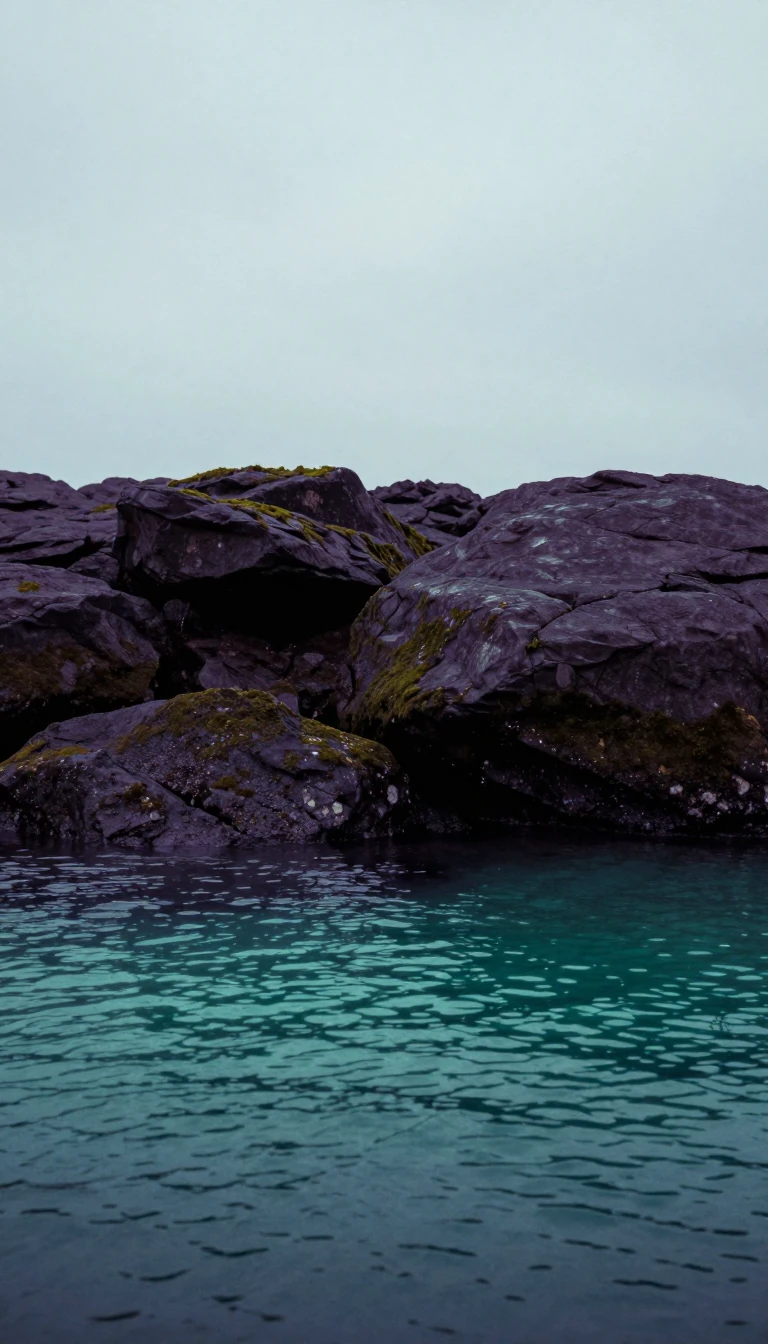
In short: In the 1990s, a massive dam project in Portugal threatened to submerge thousands of ancient rock engravings. The resulting public outcry, fueled by the slogan The carvings don't know how to swim, halted construction and unveiled a vast, prehistoric sanctuary that redefined our understanding of early human history.
The Côa Valley, located in northeastern Portugal, holds an extraordinary collection of open-air rock art that spans millennia. While most prehistoric art is found in confined cave environments, the Côa site is unique for its scale and accessibility, stretching over 17 kilometres along the river. The engravings, which include horses, aurochs, and abstract symbols, date back as far as 22,000 years B.C., providing a rare window into the lives of West European Hunter-Gatherer populations.
The site's survival was far from guaranteed. In the early 1990s, the national energy company EDP planned to build a dam that would have permanently flooded the valley. Archaeologists, including Nélson Rabanda, discovered the significance of these carvings during the project's construction phase. Despite attempts by the energy company to downplay the age and importance of the findings, international pressure from UNESCO and a massive grassroots movement forced a government change. In November 1995, Prime Minister António Guterres officially cancelled the dam, saving the site for future research.
Today, the complex is a UNESCO World Heritage site, expanded in 2010 to include the neighbouring Siega Verde site in Spain. Together, they represent one of the most significant open-air Paleolithic complexes in the world. The art is not limited to the Paleolithic; it includes layers of history from the Neolithic, Bronze, and Iron Ages, and even modern-era inscriptions of trains and planes. This stratification allows researchers to study how human expression evolved in the region over thousands of years, turning the valley into a living archive of human achievement.
Opens the Intellect+ feed with this card first. Swipe up for the next one.
Sources
- Summary by Intellect · source: Prehistoric Rock Art Sites in the Côa Valley and Siega Verde
- Also: Wikidata — Prehistoric Rock-Art Site of the Côa Valley and Siega Verde · CC0
To cite this card, link to https://intellectplus.co.uk/app/places-prehistoric-rock-art-sites-in-the-c-a-valley-and-siega-verde.
How we source, check and correct cards: Editorial standards.
General information, not professional advice. Spotted an error? Flag the card or see corrections and complaints.
Intellect Plus is a visual educational discovery platform for exploring fascinating facts and ideas. Brain Food, Not Brain Rot. What is Intellect Plus?
Related
More in World Heritage Sites · More in Countries & Cities · Latest · A–Z · All topics
