Why this hidden Pyrenees peak is a shared sanctuary for Spain and France
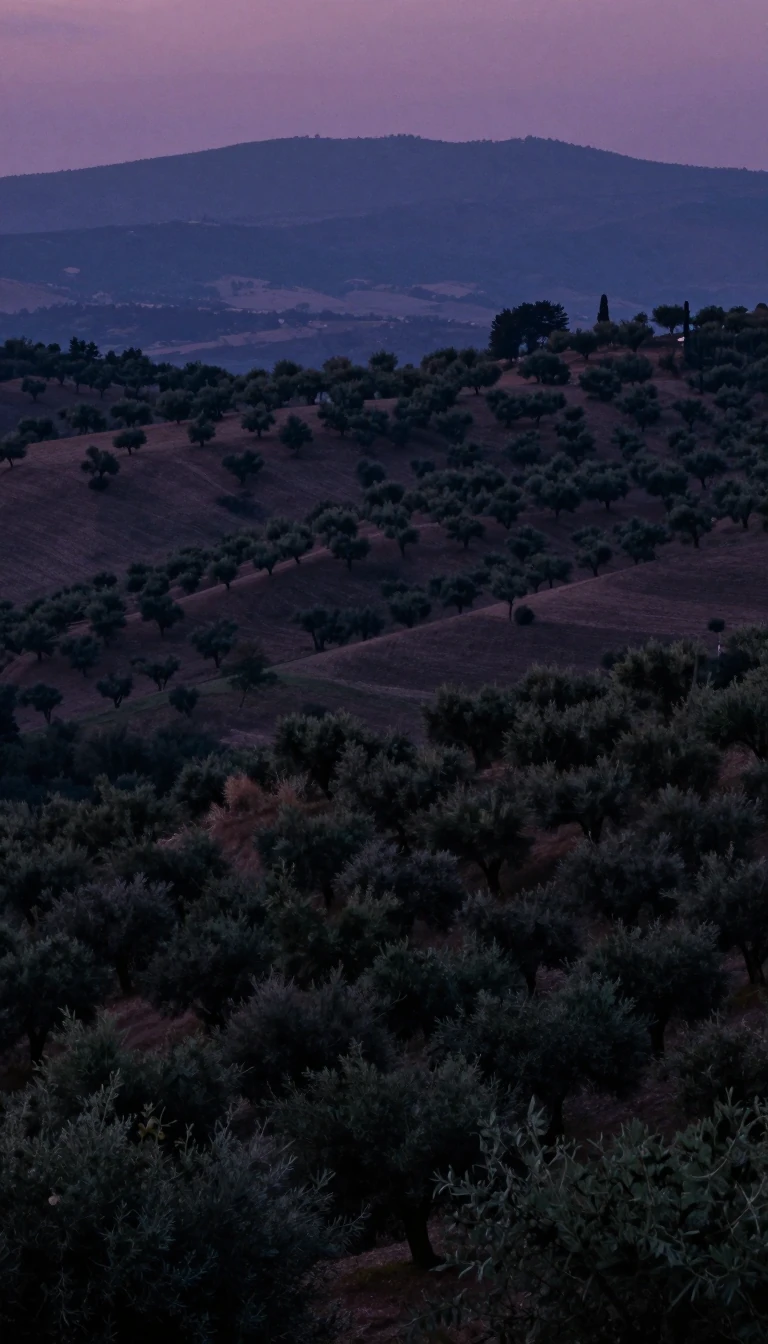
In short: Known as the lost mountain, Monte Perdido stands as the heart of a unique cross-border landscape. Spanning both Spain and France, this UNESCO World Heritage site preserves not just dramatic canyons and glaciers, but a centuries-old pastoral tradition that ignores modern national boundaries in favor of shared mountain life.
Rising to 3,355 meters, Monte Perdido is the third-highest peak in the Pyrenees. Its name, which translates to lost mountain in multiple local languages, reflects its geography; the summit is famously obscured from the French side by the formidable walls of the Cirques of Gavarnie and Estaubé. While the mountain sits firmly in the Huesca province of Spain, its status as a UNESCO World Heritage site, inscribed in 1997, bridges the two nations. The protected area covers 30,639 hectares, encompassing the Spanish Ordesa y Monte Perdido National Park and the eastern portion of the French Pyrénées National Park.
The region is a testament to long-term human adaptation. Archaeological evidence of occupation dates back to the Paleolithic era, with ancient dolmens and stone circles still visible today. By the Middle Ages, permanent settlements emerged in the valleys, relying on a sophisticated pastoral system known as transhumance. This practice involves moving livestock up and down mountain slopes with the changing seasons. Because these communities share more cultural commonalities with their immediate neighbors across the border than with their distant national capitals, a unique degree of autonomy persists. Farmers from both sides frequently cross the border to graze their herds, maintaining a cross-border cooperation that has survived for centuries.
Beyond its cultural significance, the site is a biodiversity hotspot. The Ordesa area alone supports over 1,500 flower species, 171 types of birds, and various mammals and reptiles. Among its most striking inhabitants is the lammergeier, a bearded vulture with a wingspan reaching 3 meters. However, the landscape is changing. The Monte Perdido Glacier, situated on the mountain's north-facing slope, is currently retreating. Since 1981, it has lost 48 hectares of surface area, a decline that is accelerating due to global climate change. Despite these environmental pressures, the site remains one of the least developed mountain ranges in Europe, offering a rare glimpse into a landscape shaped by both geological grandeur and enduring human tradition.
Opens the Intellect+ feed with this card first. Swipe up for the next one.
Sources
- Summary by Intellect · source: Monte Perdido
To cite this card, link to https://intellectplus.co.uk/app/places-pyr-n-es-mont-perdu-world-heritage-site.
How we source, check and correct cards: Editorial standards.
General information, not professional advice. Spotted an error? Flag the card or see corrections and complaints.
Intellect Plus is a visual educational discovery platform for exploring fascinating facts and ideas. Brain Food, Not Brain Rot. What is Intellect Plus?
Related
More in World Heritage Sites · More in Countries & Cities · Latest · A–Z · All topics
