How an isolated Pacific island reclaimed its ancestral stone giants and sacred lands
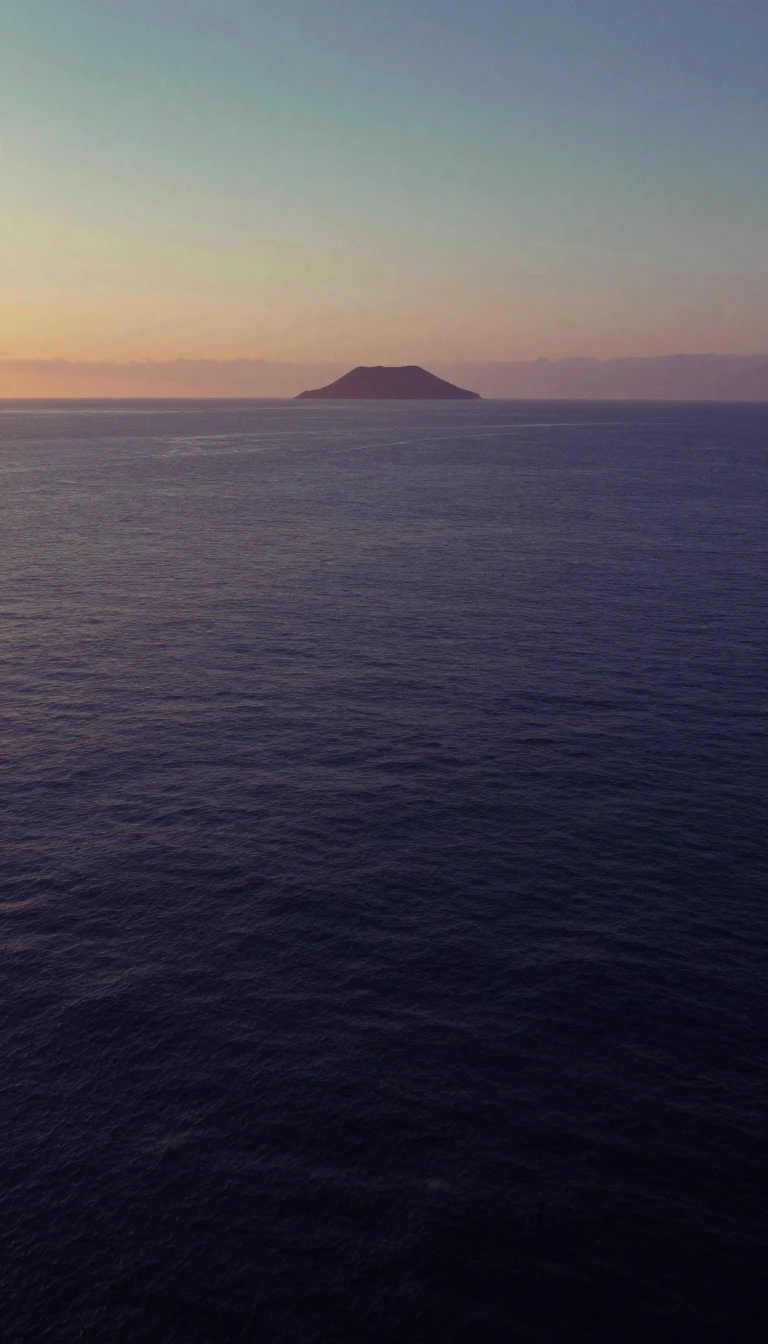
In short: Rapa Nui National Park, home to 887 iconic stone moai, represents a profound shift in heritage management. Once leased for sheep ranching and administered by state agencies, the island’s ancestral lands were returned to the indigenous Ma'u Henua community in 2017, marking a historic milestone in cultural autonomy and conservation.
Located in the southeastern Pacific, Rapa Nui—also known as Easter Island—is the most remote inhabited spot on Earth. Its fame rests on the moai, massive volcanic stone statues that served as physical representations of revered ancestors, believed to bestow 'mana' upon living leaders. These figures, ranging from 2 to 20 metres in height, were carved from volcanic tuff at the Ranu Raraku quarry and transported using devices made from the wood of the now-extinct Paschalococos palm.
The island's history is marked by dramatic ecological and social transitions. Before Polynesian settlement between 300 and 1200 AD, the island was covered in broad-leaf forests. Over centuries, this landscape shifted to the grass-covered terrain seen today. The moai themselves suffered a mysterious fate; between 1837 and 1864, all standing statues were toppled, likely during tribal conflicts. Restoration efforts, which began in 1950 with international assistance, have since returned many of these monoliths to their original positions on ceremonial shrines known as ahu.
Modern management of the park has evolved significantly since its 1935 establishment by the Chilean government. For decades, the island was largely utilized for sheep farming, with native inhabitants confined to a reserve near Hanga Roa. Following a movement for independence that began in 1964, the land was gradually reclaimed. In 2017, former President Michelle Bachelet returned the park to the Ma'u Henua community for 50 renewable years. Today, this autonomous indigenous administration ensures that park revenue is directly reinvested into the island's conservation, protecting both the archaeological legacy and the fragile natural environment from threats like erosion and forest fires.
Opens the Intellect+ feed with this card first. Swipe up for the next one.
Sources
- Summary by Intellect · source: Rapa Nui National Park
- Also: Wikidata — Rapa Nui National Park · CC0
To cite this card, link to https://intellectplus.co.uk/app/places-rapa-nui-national-park.
How we source, check and correct cards: Editorial standards.
General information, not professional advice. Spotted an error? Flag the card or see corrections and complaints.
Intellect Plus is a visual educational discovery platform for exploring fascinating facts and ideas. Brain Food, Not Brain Rot. What is Intellect Plus?
Related
More in World Heritage Sites · More in Countries & Cities · Latest · A–Z · All topics
