Why did an 11th-century queen build an inverted temple deep underground?
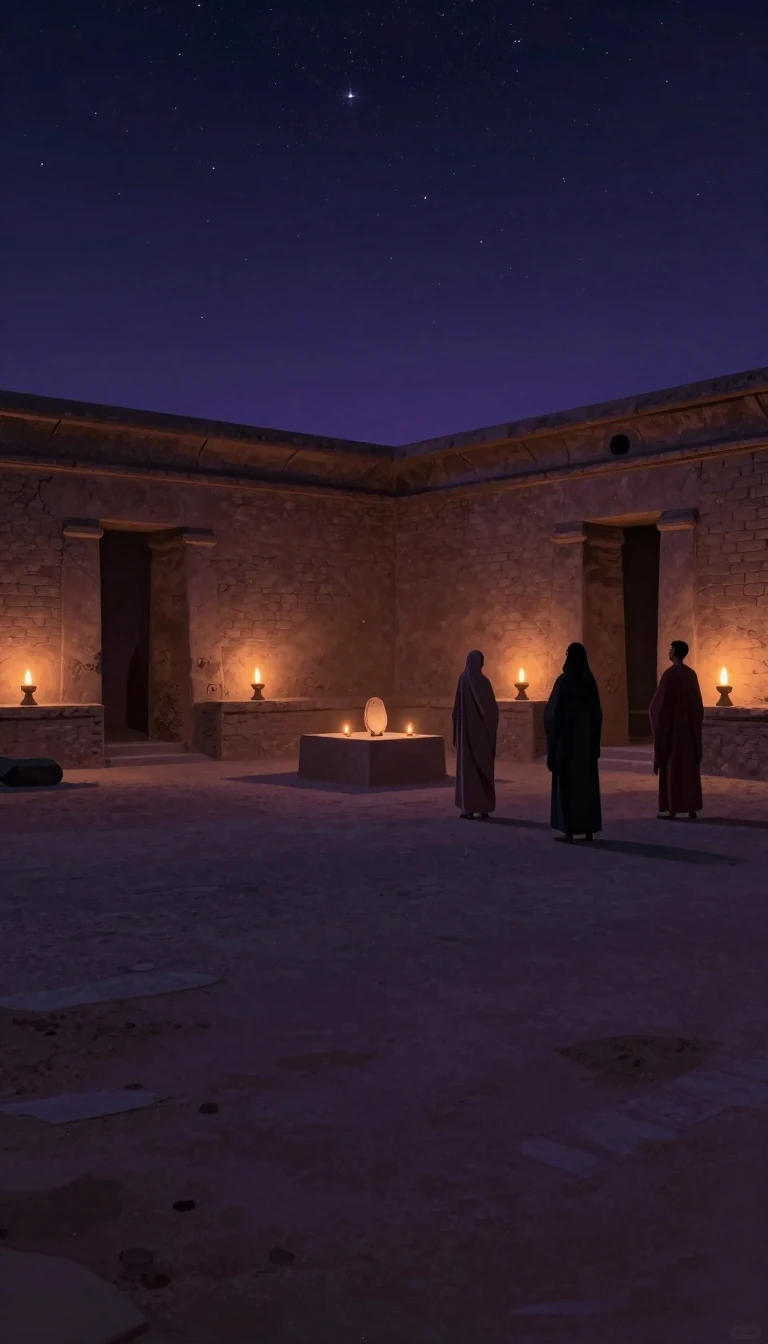
In short: Rani ki Vav, a masterpiece of Maru-Gurjara architecture in Gujarat, served as both a functional water source and a spiritual sanctuary. Buried by river silt for centuries, this subterranean marvel features over 1,500 intricate sculptures, transforming a simple stepwell into an elaborate, seven-level monument dedicated to the sanctity of water.
Commissioned around 1063 by Queen Udayamati in memory of her husband, the Chaulukya king Bhima I, Rani ki Vav is a triumph of medieval engineering. Located in Patan on the banks of the Saraswati River, the structure functions as an inverted temple. Its design utilizes a complex post-and-beam system, incorporating 212 pillars to manage the immense vertical weight and lateral soil pressure of the earth surrounding the 28-metre-deep shaft.
The architectural brilliance lies in its 3D tartan pattern, which divides the volume into smaller spaces to filter sunlight and regulate the subterranean climate. By cooling warm surface air against stone masonry and water, the design maintains a humid, temperate environment. This structural layout is not merely functional; it is a canvas for artistic devotion, featuring over 500 principal sculptures and a thousand minor ones that depict Hindu deities, celestial beings, and scenes of everyday life.
The site was lost to history after being flooded and silted over by the Saraswati River for more than six centuries. It remained largely buried until the 1940s, when excavations under the Baroda State began to reveal its hidden galleries. The Archaeological Survey of India later conducted major restoration efforts between 1981 and 1987, recovering artifacts including a marble sculpture of Udayamati. Today, the site is recognized as a UNESCO World Heritage Site, celebrated for its mastery of detail and its role as a pinnacle of ancient Indian craftsmanship.
Beyond its historical significance, the stepwell remains a cultural icon; since July 2018, it has been featured on the reverse of India’s 100-rupee banknote. Its preservation highlights the intersection of religious symbolism and structural necessity, where every bracket, column, and niche serves to honor the life-giving nature of water through the lens of 11th-century artistic and engineering expertise.
Opens the Intellect+ feed with this card first. Swipe up for the next one.
Sources
- Summary by Intellect · source: Rani ki Vav
- Also: Wikidata — Rani ki vav · CC0
To cite this card, link to https://intellectplus.co.uk/app/places-rani-ki-vav.
How we source, check and correct cards: Editorial standards.
General information, not professional advice. Spotted an error? Flag the card or see corrections and complaints.
Intellect Plus is a visual educational discovery platform for exploring fascinating facts and ideas. Brain Food, Not Brain Rot. What is Intellect Plus?
Related
More in World Heritage Sites · More in Countries & Cities · Latest · A–Z · All topics
