How the House of Savoy used architecture to cement their absolute power in Italy
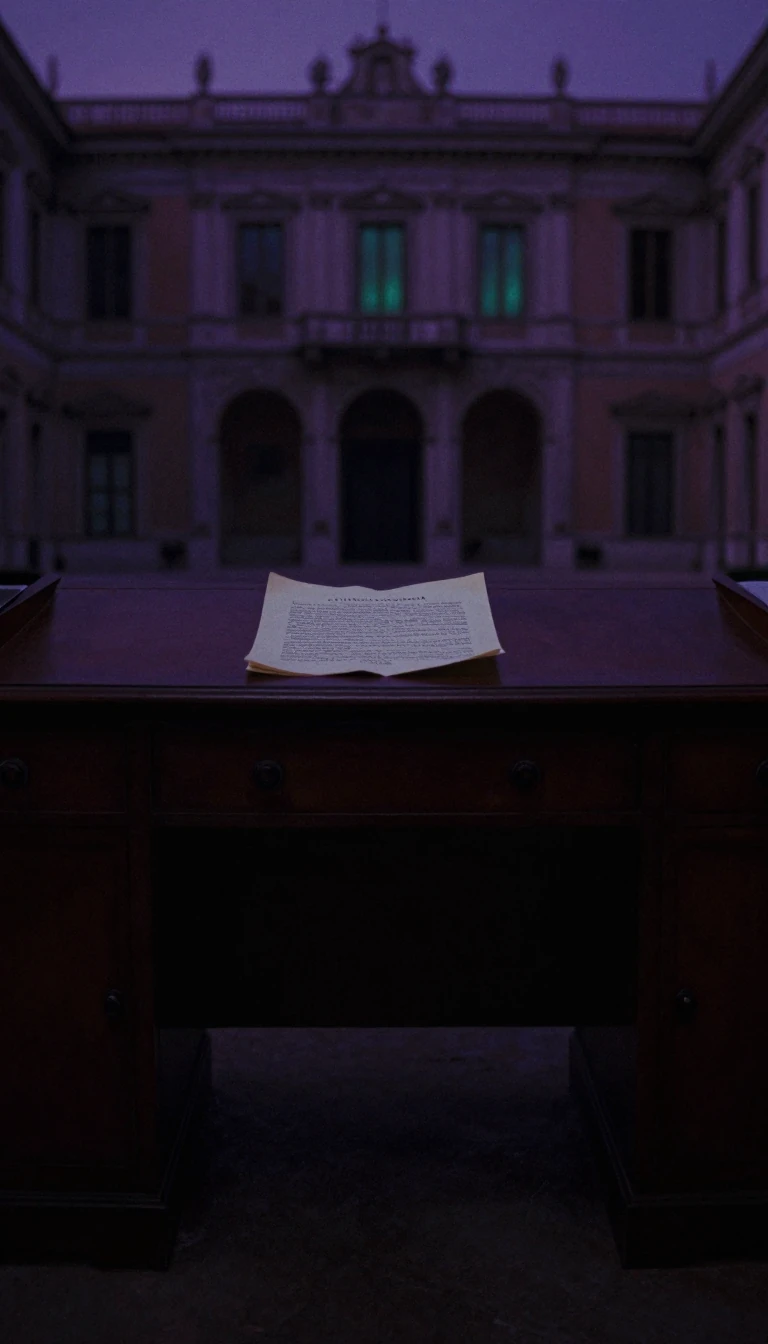
In short: In 1562, the Duke of Savoy moved his capital to Turin, launching a massive architectural campaign. By commissioning the finest architects to build lavish palaces and hunting lodges, the royal family transformed the landscape into a physical manifestation of their absolute authority, a legacy now preserved as a UNESCO World Heritage Site.
The House of Savoy, an ancient dynasty established in 1003 within the Savoy region, underwent a significant transformation over the centuries. By 1720, their influence had expanded to include the Kingdom of Sardinia. The family eventually spearheaded the unification of Italy in 1861 through the House of Savoy-Carignano, maintaining their rule until the conclusion of World War II. This era of dominance ended in 1946 when King Victor Emanuel III abdicated for his son, Umberto II, shortly before a national referendum abolished the monarchy and forced the royal family into exile.
The architectural grandeur of the Savoy residences was a deliberate political strategy initiated by Emmanuel Philibert in 1562. By relocating the capital to Turin, he sought to project strength and legitimacy. The resulting structures, which include both urban palaces and rural hunting lodges, were designed to be monumental. These buildings utilized the most skilled architects and artists of the period to ensure their designs were as impressive as they were opulent, serving as a material demonstration of the power held by an absolute monarchy.
In 1997, UNESCO recognized these sites for their historical and cultural significance. The collective listing of these residences is based on the premise that they represent the pinnacle of European monumental architecture from the 17th and 18th centuries. By blending artistic embellishment with functional design, the House of Savoy created a lasting legacy that continues to define the architectural identity of Piedmont. These sites remain a testament to how the ruling elite used the built environment to solidify their status and influence over the Italian landscape.
Opens the Intellect+ feed with this card first. Swipe up for the next one.
Sources
- Summary by Intellect · source: Residences of the Royal House of Savoy
To cite this card, link to https://intellectplus.co.uk/app/places-residences-of-the-royal-house-of-savoy.
How we source, check and correct cards: Editorial standards.
General information, not professional advice. Spotted an error? Flag the card or see corrections and complaints.
Intellect Plus is a visual educational discovery platform for exploring fascinating facts and ideas. Brain Food, Not Brain Rot. What is Intellect Plus?
Related
More in World Heritage Sites · More in Countries & Cities · Latest · A–Z · All topics
