The 1924 Dutch house that defied bourgeois norms by eliminating walls entirely
In short: Built in 1924, the Rietveld Schröder House in Utrecht is a radical architectural manifesto. Designed by Gerrit Rietveld for Truus Schröder-Schräder, it rejects traditional containment and hierarchy. Through a system of sliding panels and a machine-inspired aesthetic, it transforms from a static structure into a fluid, ever-changing living space.
Commissioned by Truus Schröder-Schräder, the house was a deliberate attempt to break from the bourgeois notions of discipline and propriety. Rietveld and Schröder collaborated closely on the design, aiming to foster openness in both family relationships and emotional life. The result is widely considered the only true example of De Stijl architecture, a movement defined by its purity of ideas and concepts.
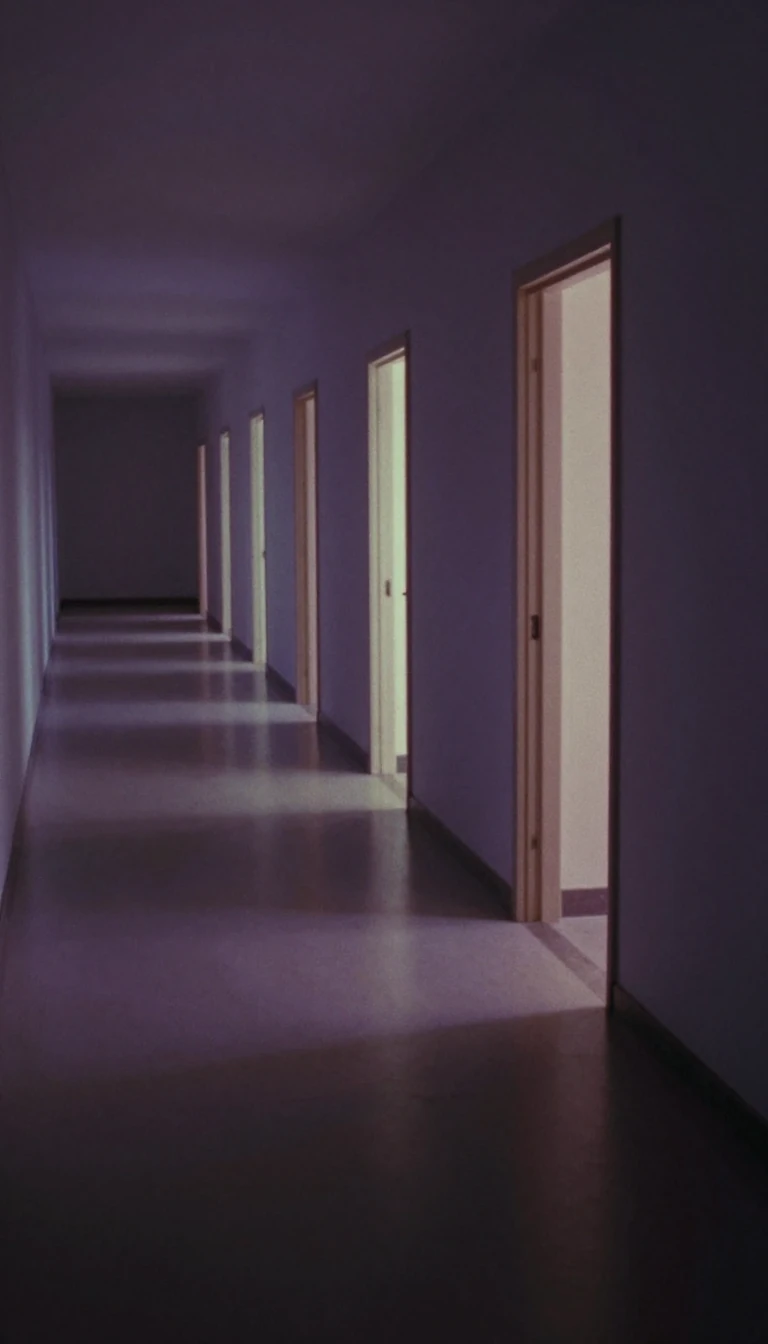
The house’s interior is defined by its flexibility. While the ground floor remains relatively traditional, the upper level is a dynamic, open zone. To satisfy fire regulations, this area was officially labeled an attic, but it functions as a versatile living space. Using a system of sliding and revolving panels, the occupants could partition the floor into three bedrooms and a living room or open it into a single, expansive area. This adaptability allowed for a wide variety of spatial experiences, though it occasionally required clever workarounds, such as a circular opening in a sliding wall to ensure access to a light switch.
Externally, the house is a collage of planes and lines that appear to glide past one another, avoiding the appearance of a monolithic mass. The design blurs the distinction between inside and out, using a consistent palette of white, grey, black, and primary colours. Although Rietveld originally intended to build with concrete, budget constraints led to the use of brick, plaster, and wood, supported by steel girders. Since 2000, the house has been recognized as a UNESCO World Heritage Site, serving as an icon of the Modern Movement.
The building's influence was immediate and international. In 1929, Polish architect Stanisław Brukalski constructed a home in Warsaw clearly inspired by his visit to the site. That project later earned a bronze medal at the 1937 Paris expo. Today, the Rietveld Schröder House stands as a testament to radical design, having been preserved by the Centraal Museum and even commemorated on a Dutch two-euro coin in 2013.
Opens the Intellect+ feed with this card first. Swipe up for the next one.
Sources
- Summary by Intellect · source: Rietveld Schröder House
- Also: Rietveld Schröder House
To cite this card, link to https://intellectplus.co.uk/app/places-rietveld-schr-der-house.
How we source, check and correct cards: Editorial standards.
General information, not professional advice. Spotted an error? Flag the card or see corrections and complaints.
Intellect Plus is a visual educational discovery platform for exploring fascinating facts and ideas. Brain Food, Not Brain Rot. What is Intellect Plus?
Related
More in World Heritage Sites · More in Countries & Cities · Latest · A–Z · All topics
