The Riau Archipelago: A Strategic Crossroads Between Ancient Empires and Modern Maritime Lawlessness
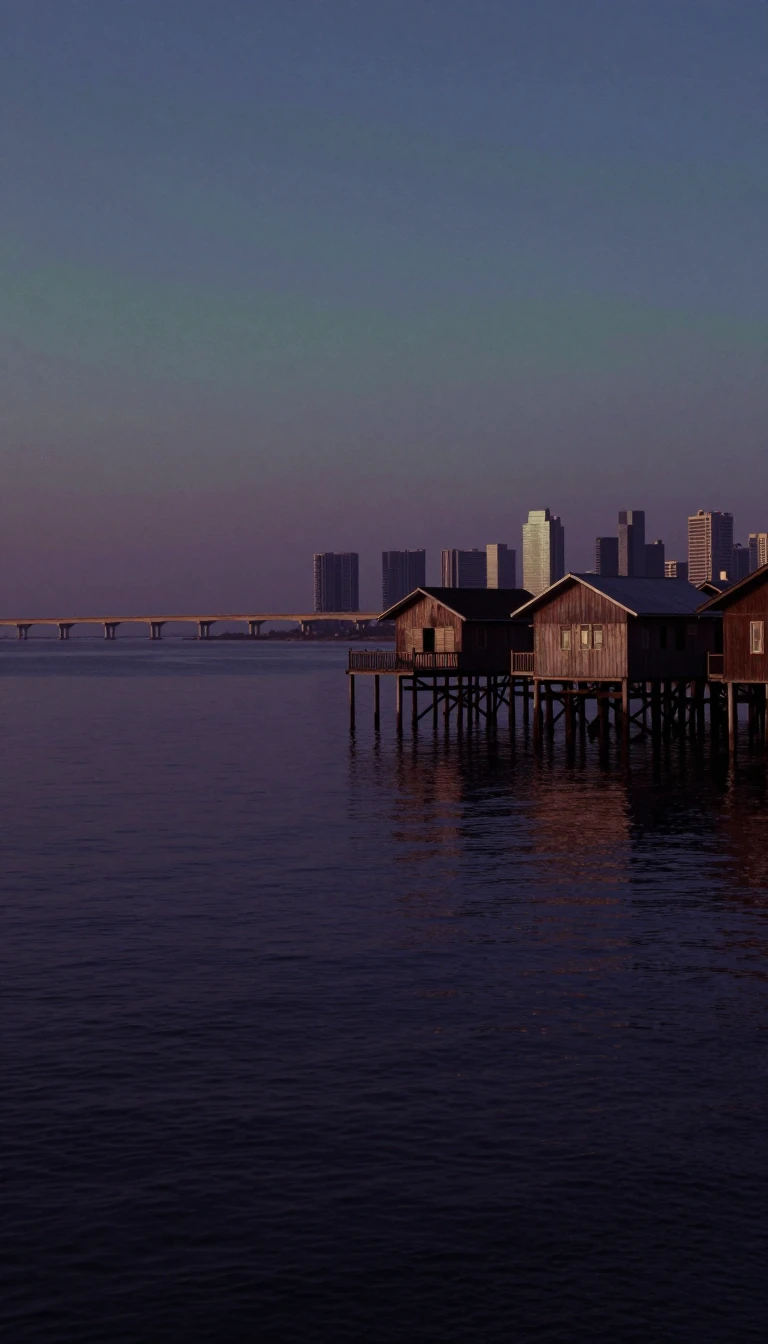
In short: Positioned just south of Singapore, the Riau Archipelago has evolved from a vital staging ground for ancient Malay kingdoms into a complex modern hub. Today, this collection of islands balances rapid economic development with rising social tensions, piracy, and a reputation as a clandestine center for global oil smuggling.
Geographically, these islands serve as a granite-based extension of the Malay Peninsula, situated east of Sumatra near the Malacca Strait's southern exit. Historically, the region was central to the Srivijaya empire until the 11th century, later becoming a key territory for the Malacca and Johor Sultanates. During the Islamic era, the archipelago was so closely linked to Singapore that the two were often treated as a single administrative unit. This shared history was severed by the 1824 Anglo-Dutch Treaty, which drew a definitive border between British and Dutch spheres of influence, placing the islands under Dutch control.
The modern identity of the Riau Archipelago is defined by rapid administrative and economic shifts. In 2002, the Riau Islands Province was formally established, separating from the mainland Riau Province. Efforts to stimulate growth, such as the 1989 Sijori Growth Triangle and the 2009 free-trade zone designation, have transformed islands like Batam into industrial hubs. However, this growth has brought significant friction. The indigenous Malay population, now reduced to roughly one-third of the total residents due to heavy migration, reports feeling marginalized, while newer arrivals often face political and financial exclusion. These demographic shifts have fueled localized violence and ongoing concerns regarding social stability.
Beyond internal social challenges, the archipelago faces persistent external scrutiny. The region has become a known hotspot for piracy and, more recently, illicit maritime activities. In 2026, industry observers identified the area as a major center for ship-to-ship oil transfers, used by vessels to circumvent international sanctions on nations like Russia and Iran. As the islands continue to serve as a vital transit point for global trade, they remain caught between their historical role as a cultural bridge and their contemporary reality as a complex, often lawless, maritime frontier.
Opens the Intellect+ feed with this card first. Swipe up for the next one.
Sources
- Summary by Intellect · source: Riau Archipelago
- Also: Riau archipelago | archipelago, Indonesia | Britannica
- Also: Wikidata — Riau Islands · CC0
To cite this card, link to https://intellectplus.co.uk/app/places-riau-archipelago.
How we source, check and correct cards: Editorial standards.
General information, not professional advice. Spotted an error? Flag the card or see corrections and complaints.
Intellect Plus is a visual educational discovery platform for exploring fascinating facts and ideas. Brain Food, Not Brain Rot. What is Intellect Plus?
Related
More in Islands · More in Countries & Cities · Latest · A–Z · All topics
