Italy's vast rock art gallery reveals eight millennia of human thought and ritual
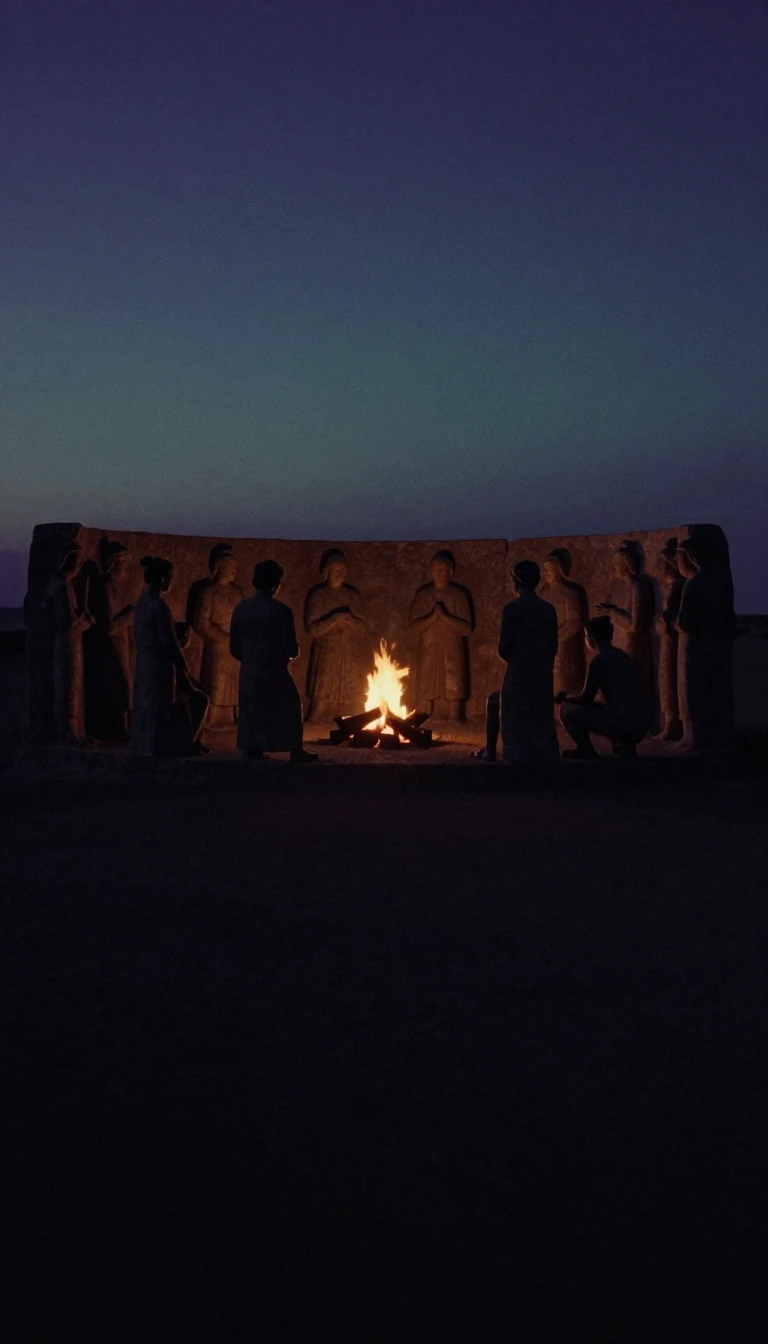
In short: In the Province of Brescia, Italy, lies the world's most extensive collection of prehistoric petroglyphs. Spanning over 8,000 years, these hundreds of thousands of carvings on glacial bedrock offer a rare, enduring window into the evolving customs, religious rites, and daily lives of ancient societies from the Mesolithic to the Middle Ages.
The Valcamonica site, Italy's first UNESCO World Heritage entry in 1979, contains an estimated 200,000 to 300,000 individual figures and symbols. These engravings were primarily etched onto subglacially streamlined bedrock exposed after the last glacier retreated roughly 15,000 years ago. While the tradition persisted into the 19th century, the majority of the work was completed before the Iron Age, using a hammer-like tool known as a martellina to create small circular indentations.
The imagery serves as an ideographic record of human development. Early Mesolithic carvings depict nomadic hunters and their prey, such as deer and elk. As agricultural practices emerged during the Neolithic period, the art shifted to include geometric patterns, likely representing cultivated land, alongside anthropomorphic figures. By the Copper Age, symbols of metallurgy, wagons, and wheels appeared, signaling significant technological shifts. The Iron Age, attributed to the Camuni people, accounts for roughly 70% to 80% of the total figures, showcasing a cultural focus on heroic masculinity, duels, and complex topographic maps like the famous Bedolina Map.
The interpretation of these carvings has evolved alongside the field of archaeology. In the 1930s, some researchers, including Franz Altheim and Giovanni Marro, attempted to link the symbols to Nazi ideologies and ancestral Aryan theories. Later, in the 1960s, Emmanuel Anati pioneered a more systematic, scientific approach to periodization. Today, the site is managed through a complex network of regional and national authorities, ensuring the preservation of these invaluable records of prehistoric mentality, which include everything from pagan ritual sites to later Christian symbols like crosses and keys.
The site remains a subject of active study, with new discoveries continuously expanding the catalog. Modern management plans, coordinated by the Institutional Coordination Group established in 2006, focus on sustainable development and visitor access. By documenting the transition from religious celebration to secular expression, Valcamonica provides a unique, long-form narrative of European civilization, preserved in stone.
Opens the Intellect+ feed with this card first. Swipe up for the next one.
Sources
- Summary by Intellect · source: Rock Drawings in Valcamonica
- Also: Rock Drawings in Valcamonica
- Also: Wikidata — rock drawings in Valcamonica · CC0
To cite this card, link to https://intellectplus.co.uk/app/places-rock-drawings-in-valcamonica.
How we source, check and correct cards: Editorial standards.
General information, not professional advice. Spotted an error? Flag the card or see corrections and complaints.
Intellect Plus is a visual educational discovery platform for exploring fascinating facts and ideas. Brain Food, Not Brain Rot. What is Intellect Plus?
Related
More in World Heritage Sites · More in Countries & Cities · Latest · A–Z · All topics
