Eight millennia of human history are etched into the Saudi Arabian desert rock faces
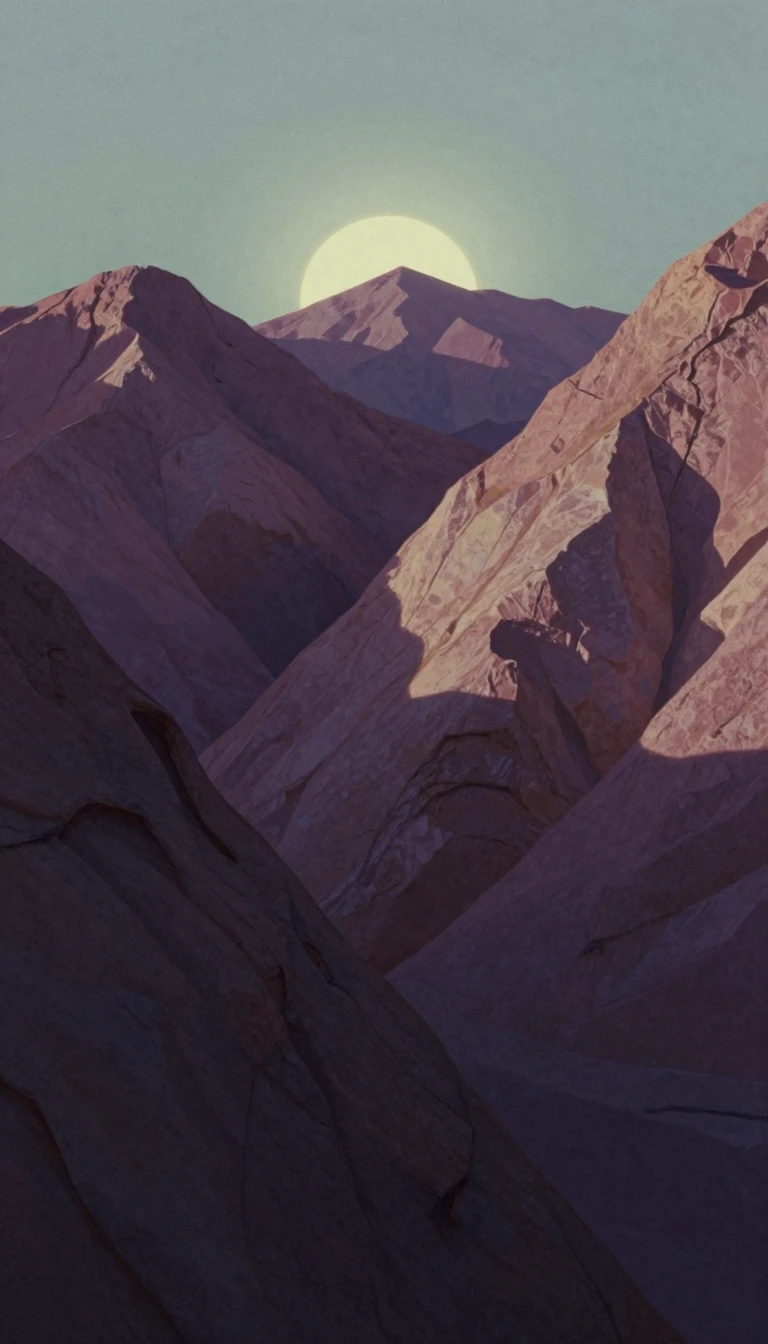
In short: In the arid expanse of the Ha'il region, ancient populations carved their stories into stone. These petroglyphs, spanning 8,000 years, serve as a visual chronicle of human resilience. From early Neolithic ibex worship to the eventual dominance of the camel, these carvings reveal how societies adapted to shifting environmental landscapes.
The Rock Art of the Ha'il region represents a significant cultural milestone, officially recognized as Saudi Arabia's fourth UNESCO World Heritage site in 2015. The collection is split between two primary locations: the Jabel Umm Sinman mountain near Jubbah, and the escarpments of Jabal Al-Manjor and Jabal Raat at Al-Shuwaymis. Together, these sites offer an exceptional testimony to human creative genius, documenting how past civilizations navigated profound environmental catastrophes over the last 10,000 years.
At Jubbah, the petroglyphs are situated on hills that rise 1,264 meters above sea level, towering 450 meters over the surrounding Nafud desert. Historically, these heights overlooked a vast paleolake that stretched 20 kilometers long and 5 kilometers wide. The art reflects a clear evolution in economic and cultural priorities. Early Neolithic carvings focus on the ibex, an animal held in high regard. As domestication practices advanced, the art expanded to include cattle and horses. Eventually, as the region faced increased desiccation and the drying of lakes approximately 3,000 years ago, the camel became the central focus, appearing alongside early Thamudic and Arabic scripts.
The second site at Al-Shuwaymis, located 250 kilometers southwest of Ha'il, features rock escarpments within a wadi now covered in sand. These panels depict a diverse array of subjects, including human figures, animals, palm trees, and impressions of feet. To preserve these fragile historical records, the Saudi Commission for Tourism has implemented rigorous protective measures. These include expanding buffer zones, establishing monitoring systems, and conducting maintenance on the petroglyphs themselves to ensure these ancient traces of human passage remain intact for future study.
The site's inclusion on the UNESCO list highlights its importance as a record of human adaptation. By tracking the transition from lake-dependent societies to those reliant on desert-hardy animals, the petroglyphs provide a rare, tangible link to the environmental challenges faced by our ancestors. This ongoing preservation effort underscores the value of these carvings not just as art, but as essential historical data regarding the intersection of climate change and human civilization.
Opens the Intellect+ feed with this card first. Swipe up for the next one.
Sources
- Summary by Intellect · source: Rock Art of Hail Province
To cite this card, link to https://intellectplus.co.uk/app/places-rock-art-of-hail-province.
How we source, check and correct cards: Editorial standards.
General information, not professional advice. Spotted an error? Flag the card or see corrections and complaints.
Intellect Plus is a visual educational discovery platform for exploring fascinating facts and ideas. Brain Food, Not Brain Rot. What is Intellect Plus?
Related
More in World Heritage Sites · More in Countries & Cities · Latest · A–Z · All topics
