Why prehistoric artists in Spain painted humans running with legs spread 180 degrees apart
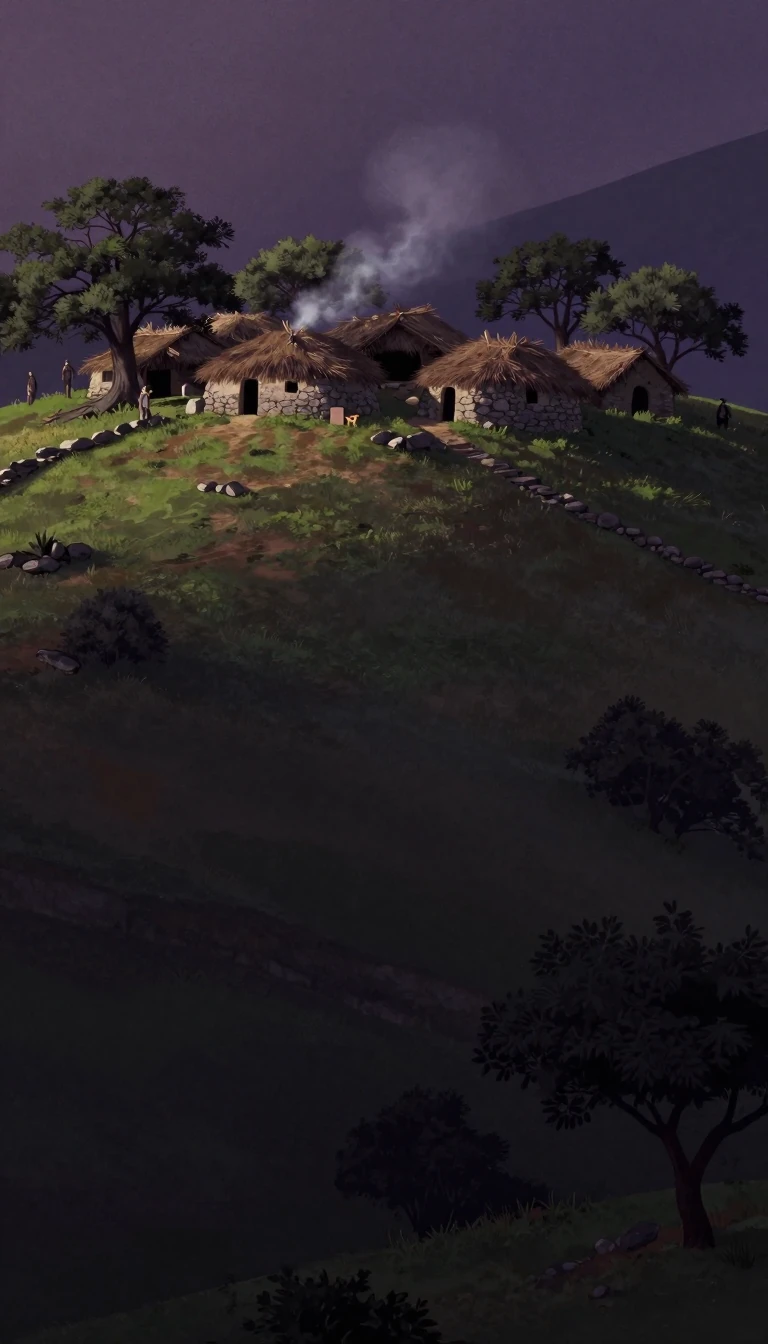
In short: Across the ravines of eastern Spain, over 700 rock shelters preserve a unique visual record of prehistoric life. Unlike the static animals of the Ice Age, these paintings capture dynamic human drama: archers in battle, honey gatherers, and dancers, all rendered with a sophisticated sense of movement and narrative composition.
Declared a UNESCO World Heritage Site in 1998, the Rock Art of the Iberian Mediterranean Basin spans a period from roughly 8,000 BC to 3500 BC. While often associated with the Mesolithic, the art reflects a transitional era where hunter-gatherer societies began incorporating Neolithic elements. These paintings are found in shallow caves and rock shelters, often in steep valleys that may have served as natural traps for hunting large mammals like goats and cattle.
The artistic style marks a significant departure from earlier Paleolithic cave art. Figures are small, typically between 1 and 8 inches tall, and often painted in single colors using mineral earths or charcoal. The artists employed complex techniques, such as outlining figures after painting the main body, and used a 'flying gallop' convention to depict running animals—a technique that persisted until the invention of photography. Human figures are frequently the central focus, depicted with exaggerated physical traits or specific attire that may denote social status.
Conflict is a recurring theme, with scenes of archers in combat, executions, and organized hunts. One notable battle scene at Les Dogue involves 28 archers, while other sites depict groups of dancers. Despite the detail, the exact meaning remains debated; researchers suggest these works could represent religious ceremonies, 'hunting magic,' or simply a celebration of daily life. The lack of organic remains at these sites makes precise dating difficult, leaving scholars to rely on stylistic evolution and the relative frequency of depicted species to reconstruct this ancient world.
The preservation of these sites is a persistent challenge, as the paintings are often exposed to the elements and protected only by thin layers of natural limescale. While some sites have been designated as cultural parks, the overall state of conservation remains poor, making the study of these 727 locations an urgent, ongoing effort to understand the evolution of human expression in prehistoric Iberia.
Opens the Intellect+ feed with this card first. Swipe up for the next one.
Sources
- Summary by Intellect · source: Rock art of the Iberian Mediterranean Basin
- Also: Wikidata — Rock Art of the Mediterranean Basin on the Iberian Peninsula · CC0
To cite this card, link to https://intellectplus.co.uk/app/places-rock-art-of-the-iberian-mediterranean-basin.
How we source, check and correct cards: Editorial standards.
General information, not professional advice. Spotted an error? Flag the card or see corrections and complaints.
Intellect Plus is a visual educational discovery platform for exploring fascinating facts and ideas. Brain Food, Not Brain Rot. What is Intellect Plus?
Related
More in World Heritage Sites · More in Countries & Cities · Latest · A–Z · All topics
