Before the continents we know, Earth was united as the supercontinent Rodinia.
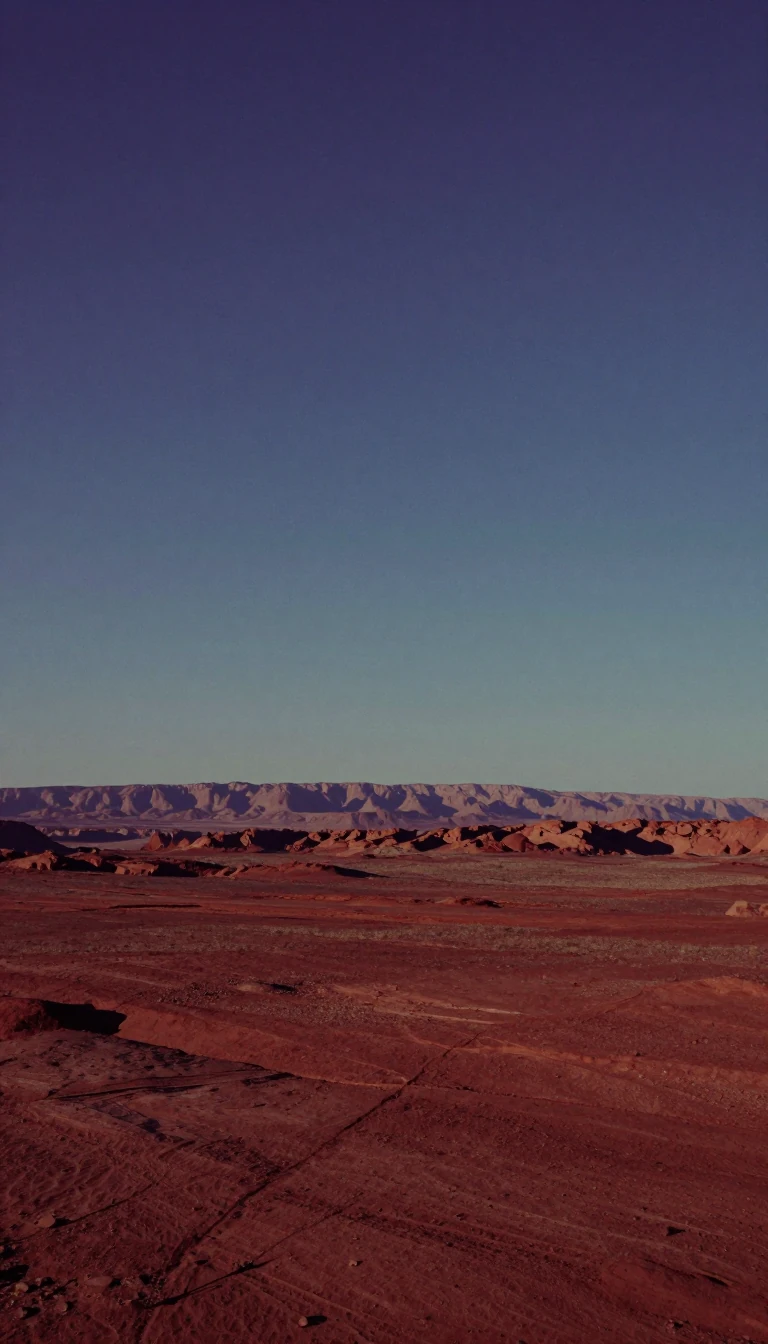
In short: Long before complex life walked the land, Earth’s crust gathered into a single, barren supercontinent called Rodinia. Existing roughly 1.2 billion to 750 million years ago, this massive landmass shaped our planet’s climate, triggered global glaciations, and eventually fractured to pave the way for the world we recognize today.
Rodinia formed between 1.3 and 1.23 billion years ago through the collision of fragments from an older supercontinent, Columbia. While the North American Craton, or Laurentia, is widely considered the core of Rodinia, the precise arrangement of other landmasses remains a subject of intense scientific debate. Various models, such as the SWEAT, AUSWUS, and AUSMEX configurations, propose different placements for Australia, Antarctica, and Siberia relative to the core. These uncertainties persist because paleomagnetic data can determine the latitude of ancient crustal pieces but cannot fix their longitude, forcing geologists to rely on correlating widely dispersed geologic features.
The supercontinent’s existence was not merely a static arrangement of rocks; it was a dynamic engine for planetary change. Its breakup, which occurred in stages between 825 and 550 million years ago, was likely driven by mantle superplumes. This rifting process fundamentally altered Earth's environment. As the continents pulled apart, the creation of new, warmer oceanic crust caused sea levels to rise, while increased volcanic activity and rock weathering likely stripped greenhouse gases from the atmosphere. This shift is thought to have triggered the extreme 'Snowball Earth' glaciations of the Cryogenian period.
Rodinia existed in a world without land-based life, protected by a thinner ozone layer that left its interior exposed to harsh ultraviolet radiation. Yet, its influence on marine evolution was profound. The rifting process introduced vital nutrients into the oceans, potentially fueling the rapid development of early animal life. By the time the final fragments of Rodinia were reconfiguring into the supercontinent Pannotia or the later Gondwana, the stage had been set for the complex biological explosion of the Cambrian period. Today, the study of Rodinia continues to evolve as researchers refine their reconstructions using new geological and paleomagnetic evidence.
Opens the Intellect+ feed with this card first. Swipe up for the next one.
Sources
- Summary by Intellect · source: Rodinia
- Also: Rodinia | Formation, Breakup, & Facts | Britannica
- Also: Wikidata — Rodinia · CC0
- Also: carnegiescience.edu — One of The Supercontinents Is Different from the Others (It’s Rodinia)
- Also: Wikidata — Rodinia · CC0
To cite this card, link to https://intellectplus.co.uk/app/places-rodinia.
How we source, check and correct cards: Editorial standards.
General information, not professional advice. Spotted an error? Flag the card or see corrections and complaints.
Intellect Plus is a visual educational discovery platform for exploring fascinating facts and ideas. Brain Food, Not Brain Rot. What is Intellect Plus?
Related
More in Basics · More in Countries & Cities · Latest · A–Z · All topics
