The colossal mountain belt that once defined the southern edge of the ancient world
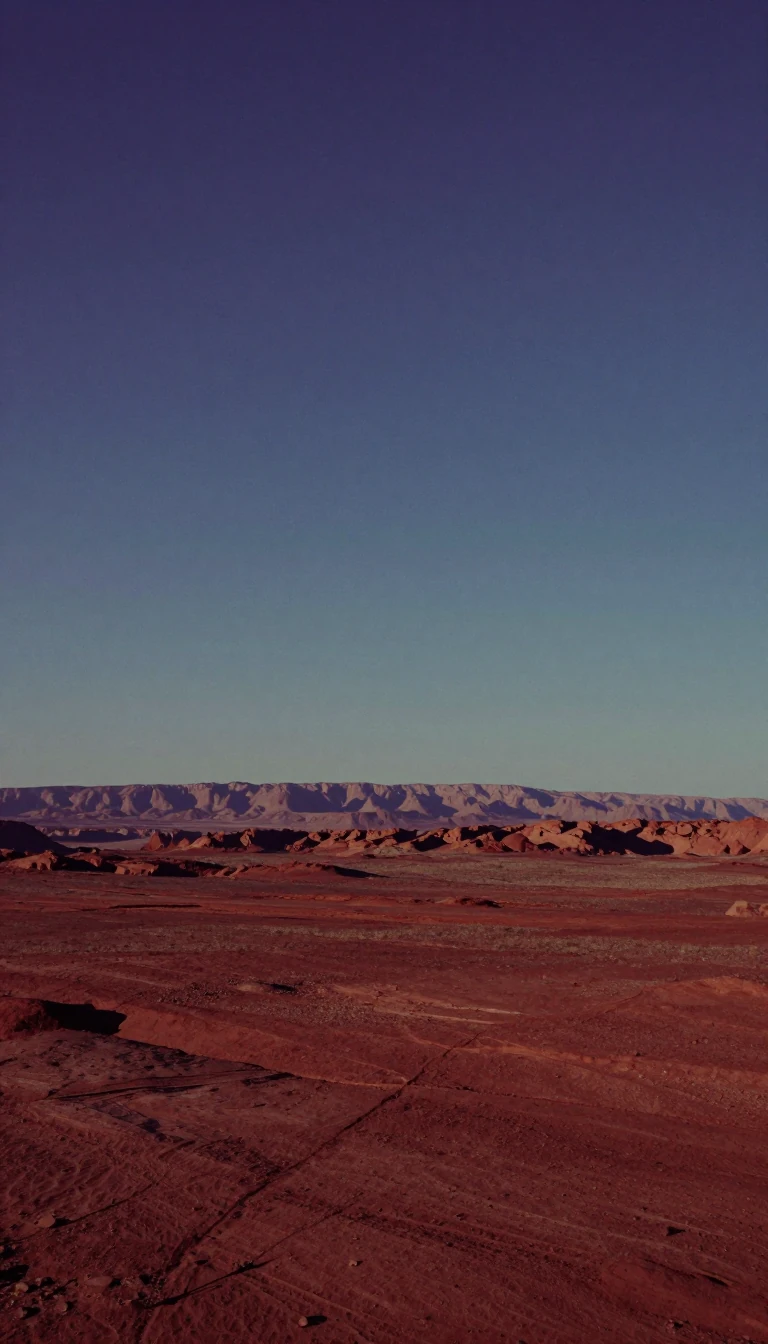
In short: Spanning 18,000 kilometers, the Terra Australis Orogen was one of the longest-lived active continental margins in Earth's history. This massive geological structure once traced the southern borders of supercontinents like Rodinia and Gondwana, shaping the foundations of modern landmasses from South America to New Zealand before vanishing beneath younger deposits.
The Terra Australis Orogen emerged during the late Neoproterozoic era, triggered by the fragmentation of the supercontinent Rodinia. As the paleo-Pacific Ocean, known as Panthalassa, began to form, this vast accretionary belt developed along the southern periphery of Gondwana. It functioned as a continuous, active margin for hundreds of millions of years, stretching across what we now recognize as the Andean region, the South African Cape, parts of Antarctica, Australia, Tasmania, and New Zealand. Its reach was immense, extending from potential origins near New Guinea to the terranes of Avalonia, Carolina, and Cadomia.
Geologically, the orogen was defined by a rhythmic cycle of expansion and compression. It evolved through periods of extensional back-arcs, which were periodically interrupted by compressional events whenever subducting oceanic plates became lodged against the margin of Gondwana. Unlike many other mountain-building episodes, the Terra Australis Orogen was not the result of a single, massive continental collision. Instead, it persisted as a long-lived active margin, eventually giving way to the Gondwanide orogeny as the supercontinent Pangea assembled during the middle Paleozoic era.
Today, much of this ancient structure remains hidden from view. Its outboard edges were largely obscured by subsequent geological events, while its inboard sections are buried under thick layers of younger sediment or Antarctic ice. Rare glimpses of its history remain exposed, such as along the Torrens Hinge Line in Australia. The concept of this belt evolved from earlier theories, such as the 1937 proposal by Alexander du Toit, who suggested the Samfrau Orogeny as evidence for the existence of Gondwana, though his original model excluded the eastern segments that we now understand were integral to the broader Terra Australis system.
Opens the Intellect+ feed with this card first. Swipe up for the next one.
Sources
- Summary by Intellect · source: Terra Australis Orogen
To cite this card, link to https://intellectplus.co.uk/app/nature-terra-australis-orogen.
How we source, check and correct cards: Editorial standards.
General information, not professional advice. Spotted an error? Flag the card or see corrections and complaints.
Intellect Plus is a visual educational discovery platform for exploring fascinating facts and ideas. Brain Food, Not Brain Rot. What is Intellect Plus?
Related
More in Geology · More in Nature · Latest · A–Z · All topics
