The Sado Gold Mine: A World Heritage Site Built on Contested Historical Narratives
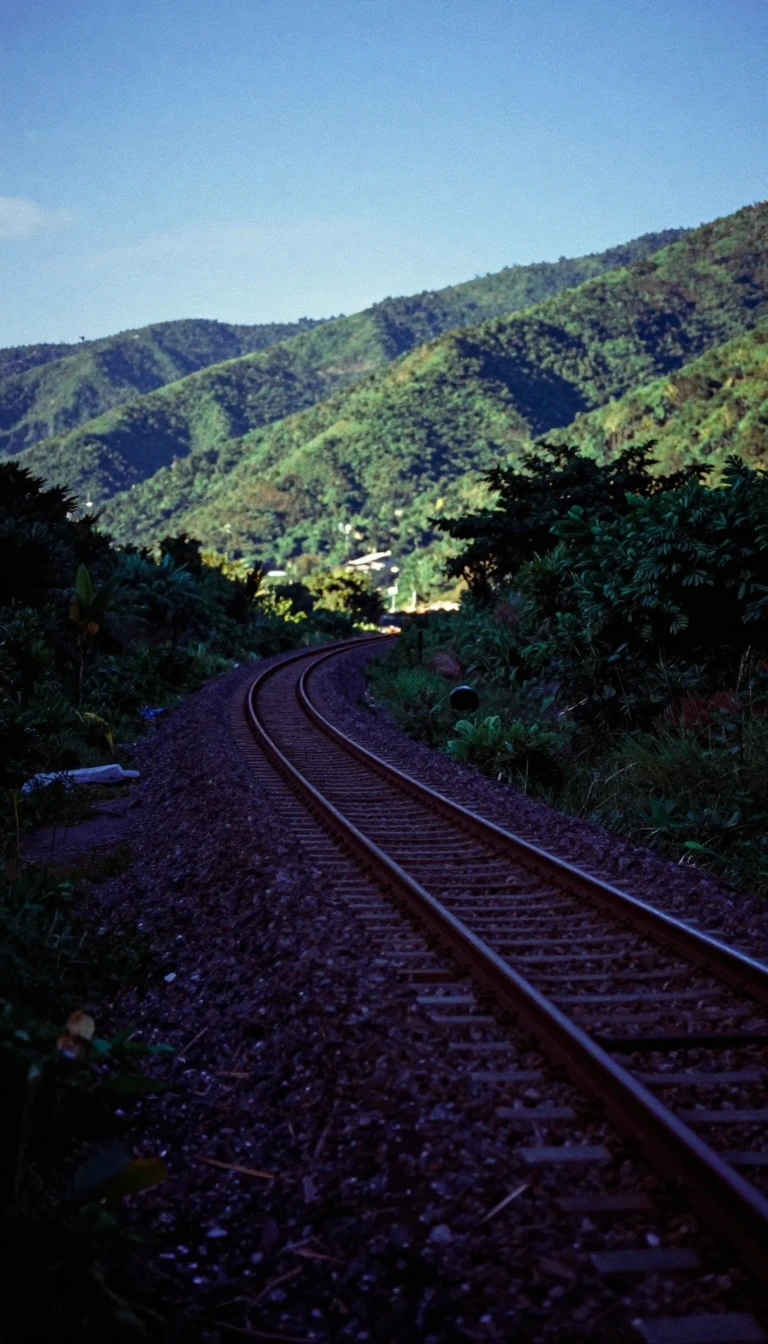
In short: For centuries, the Sado mines fueled Japan's economy, from Tokugawa shogunate currency to wartime military supplies. Today, the site is a UNESCO World Heritage treasure, yet its recognition remains deeply polarized. While Japan celebrates its industrial legacy, critics argue the site obscures a painful history of forced labor.
Located on Sado Island in Niigata Prefecture, the Sado mines have been a source of precious metals since at least the Heian period. By the early 17th century, under the Tokugawa shogunate, the Aikawa mine became a global leader in gold and silver production. These mines were essential to the shogunate's monetary system, providing the materials for Keichō coins and fueling exports to China. As extraction grew more difficult in the later Edo period, the shogunate turned to forced labor, sending convicts and indigents into dangerous, water-logged tunnels.
The site's modern industrialization began in 1869, when the Meiji government introduced Western technologies like rock drills and gunpowder mining. By 1896, the mines were sold to Mitsubishi Goshi Kaisha, which further mechanized operations. Production surged during the 1930s to support military expansion, peaking in 1940 with approximately 1,500 kg of gold and 25 tons of silver. To meet this demand, Japan recruited workers from the Korean Peninsula, then under its colonial rule. Between 1939 and 1945, about 1,200 Korean workers were brought to Sado, though records suggest the actual number working at any given time was significantly lower due to high turnover, illness, and escapes.
In 2024, the Sado Complex of Heritage Mines was inscribed as a UNESCO World Heritage Site. This status followed years of diplomatic friction, particularly with South Korea. While Japan agreed to provide a full historical explanation to secure the designation, critics allege the current exhibits and memorial ceremonies omit the reality of forced labor. In November 2024, South Korean officials boycotted a memorial service at the site, protesting the lack of acknowledgment regarding the laborers' coerced status. The controversy highlights the tension between preserving industrial heritage and confronting the darker, often suppressed, chapters of national history.
Opens the Intellect+ feed with this card first. Swipe up for the next one.
Sources
- Summary by Intellect · source: Sado mine
- Also: Wikidata — Sado Mine · CC0
To cite this card, link to https://intellectplus.co.uk/app/places-sado-mine.
How we source, check and correct cards: Editorial standards.
General information, not professional advice. Spotted an error? Flag the card or see corrections and complaints.
Intellect Plus is a visual educational discovery platform for exploring fascinating facts and ideas. Brain Food, Not Brain Rot. What is Intellect Plus?
Related
More in World Heritage Sites · More in Countries & Cities · Latest · A–Z · All topics
