How a failed tax bill helped create a world-class art institution in Missouri
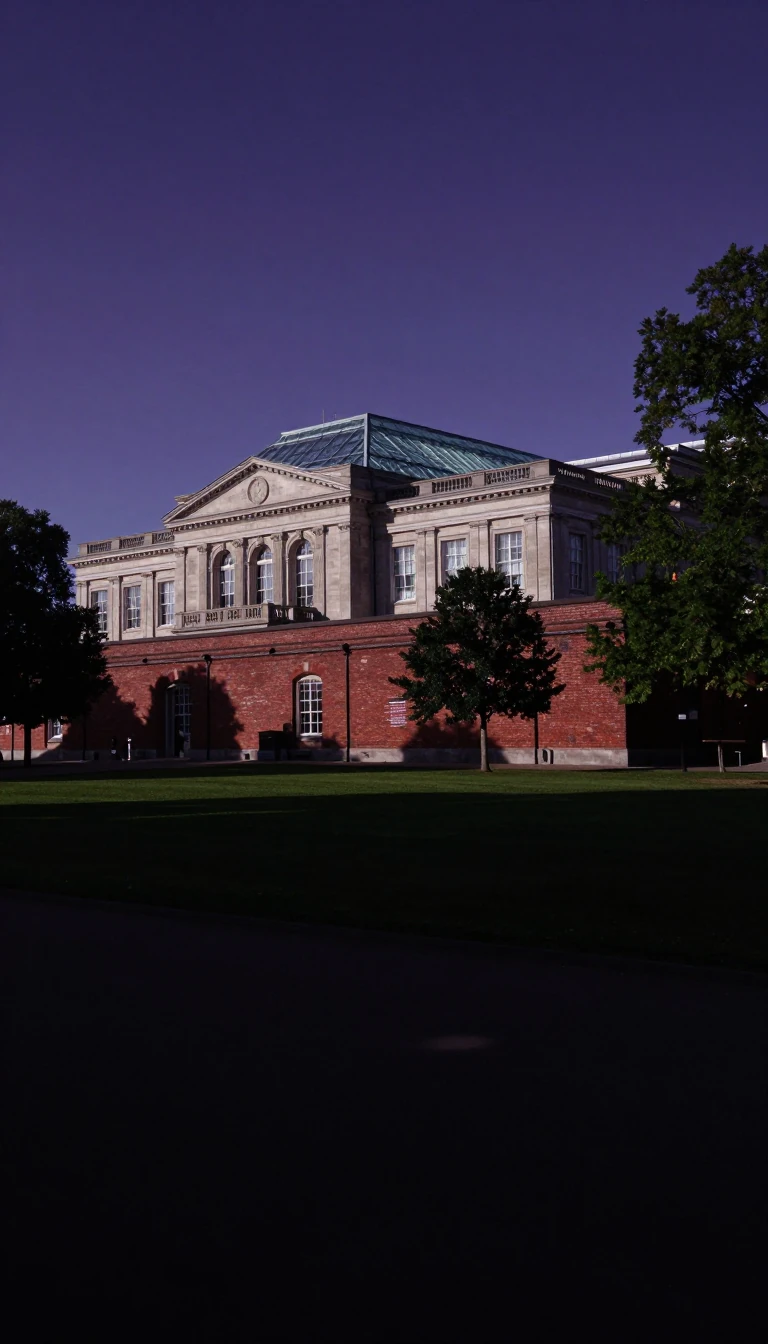
In short: The Saint Louis Art Museum began as a university department before a legal battle over municipal funding forced it to reinvent itself. Today, this Forest Park landmark houses over 34,000 objects, including the largest collection of Max Beckmann paintings globally and works salvaged from the era of Nazi art confiscations.
The institution traces its roots to 1879, when it was established as a division of Washington University. Originally located at 19th and Locust Street, the museum was commissioned by Wayman Crow as a tribute to his son. Under director Halsey Ives, it provided both studio training and art history education. However, the museum’s trajectory shifted dramatically following the 1904 Louisiana Purchase Exposition, when it moved into the Palace of Fine Arts building designed by Cass Gilbert.
Financial instability defined the early 20th century. When Ives attempted to secure public funding through a tax bill, the Missouri Supreme Court ruled in 1908 that the museum was not a municipal entity, disqualifying it from receiving tax revenue. This legal setback triggered a formal separation from the university in 1909, leading to the creation of three distinct institutions: the public City Art Museum, the Mildred Lane Kemper Art Museum, and the St. Louis School of Fine Arts. The museum eventually secured a stable financial future in 1971 through the formation of the Metropolitan Zoological Park and Museum District, which expanded the tax base to include St. Louis County.
The museum’s collection is notable for its depth, particularly in 20th-century German art and American works by George Caleb Bingham. It also holds a complex history regarding provenance; at least six pieces were acquired after being labeled as degenerate by the Nazi regime. In 2013, the facility underwent a major expansion designed by Sir David Chipperfield, adding over 224,000 square feet of space. This project included the installation of Andy Goldsworthy’s Stone Sea, a sculpture composed of limestone arches that references the region's ancient geological history as a shallow sea.
Opens the Intellect+ feed with this card first. Swipe up for the next one.
Sources
- Summary by Intellect · source: Saint Louis Art Museum
- Also: Wikidata — Saint Louis Art Museum · CC0
- Also: Wikidata — Saint Louis Art Museum Collection · CC0
To cite this card, link to https://intellectplus.co.uk/app/places-saint-louis-art-museum.
How we source, check and correct cards: Editorial standards.
General information, not professional advice. Spotted an error? Flag the card or see corrections and complaints.
Intellect Plus is a visual educational discovery platform for exploring fascinating facts and ideas. Brain Food, Not Brain Rot. What is Intellect Plus?
Related
More in Bodies of water · More in Countries & Cities · Latest · A–Z · All topics
