How a single 1944 bequest transformed a local gallery into a global powerhouse
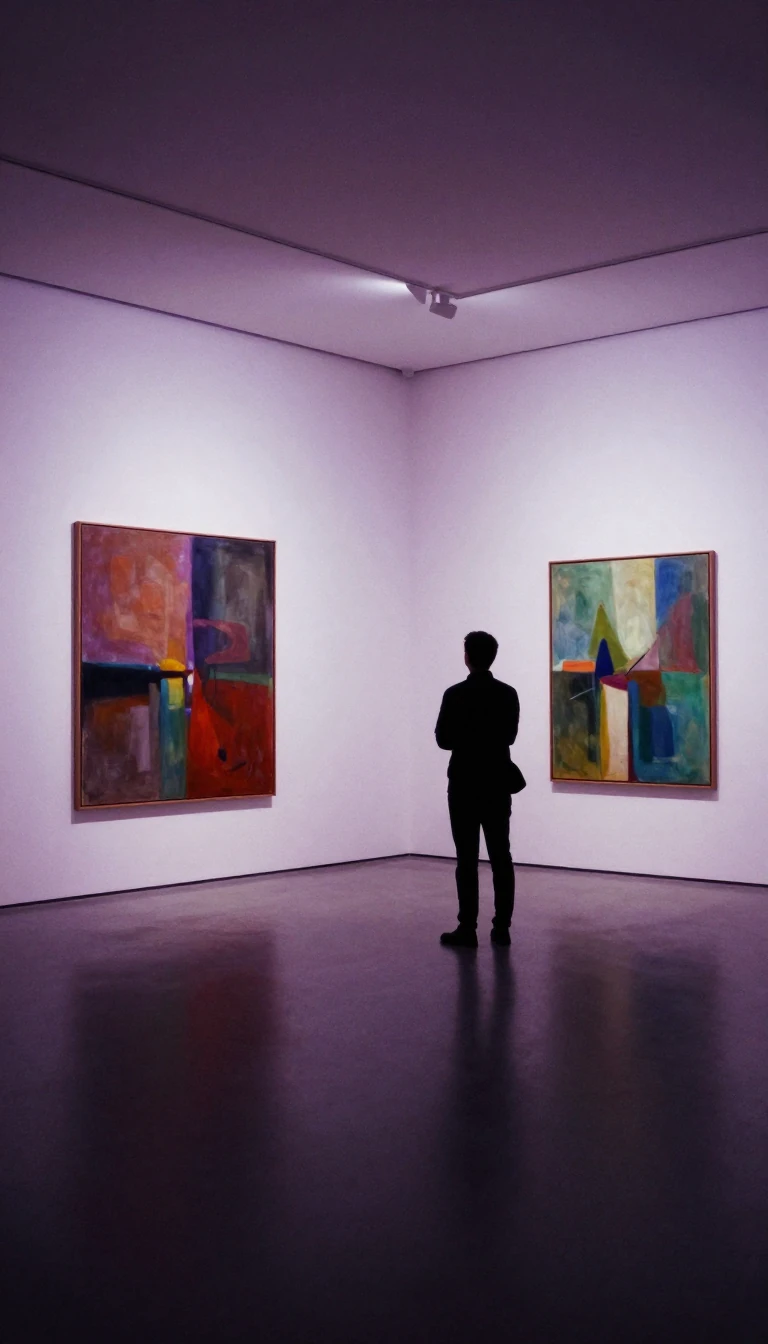
In short: In the early 20th century, the Museum of Fine Arts, Houston held only twelve European paintings. A sudden influx of private treasures changed everything, catapulting a regional institution into the ranks of the world's largest museums, second only to the Metropolitan Museum in the United States.
The Museum of Fine Arts, Houston (MFAH) has evolved from a 1917 initiative by the Houston Public School Art League into a massive cultural complex. While its roots are local, its scale is global; the museum is the tenth-largest in the world by gallery space and the second-largest in the Americas. Its permanent collection spans over 5,000 years of history, encompassing nearly 80,000 works from six continents.
The museum's ascent was punctuated by pivotal moments of philanthropy. In 1944, the bequest of eighty-three works from New York collectors Edith and Percy S. Straus served as a 'cornerstone' for the European collection. Before this gift, the museum's European holdings were remarkably modest, consisting of just twelve paintings. This influx of Renaissance and Baroque masters, including Botticelli and Rubens, fundamentally altered the museum's international importance.
The campus itself is a study in architectural evolution and expansion. The original 1924 Greek Neoclassical building, designed by William Ward Watkin, has been augmented by significant additions, including the 1958 and 1974 Mies van der Rohe-designed halls—the only Mies-designed museum in the US. Recent expansions, such as the 2020 opening of the Nancy and Rich Kinder Building, have increased exhibition space by nearly 75 percent, allowing for a massive focus on modern and contemporary art.
Despite its grandeur, the museum's history includes complex social narratives. The institution has faced criticism regarding its past treatment of African American artists; notably, in 1950, artist John Biggers was barred from attending his own award ceremony due to segregation. In recent decades, the museum has actively worked toward diversity through initiatives like the International Center for the Arts of the Americas and the ¡Aquí Estamos! program.
Opens the Intellect+ feed with this card first. Swipe up for the next one.
Sources
- Summary by Intellect · source: Museum of Fine Arts, Houston
To cite this card, link to https://intellectplus.co.uk/app/health-museum-of-fine-arts-houston.
How we source, check and correct cards: Editorial standards.
General information, not professional advice. Spotted an error? Flag the card or see corrections and complaints.
Intellect Plus is a visual educational discovery platform for exploring fascinating facts and ideas. Brain Food, Not Brain Rot. What is Intellect Plus?
Related
More in Ethics · More in Health · Latest · A–Z · All topics
