How a Sufi saint and a Mughal treasurer shaped the history of Saharanpur
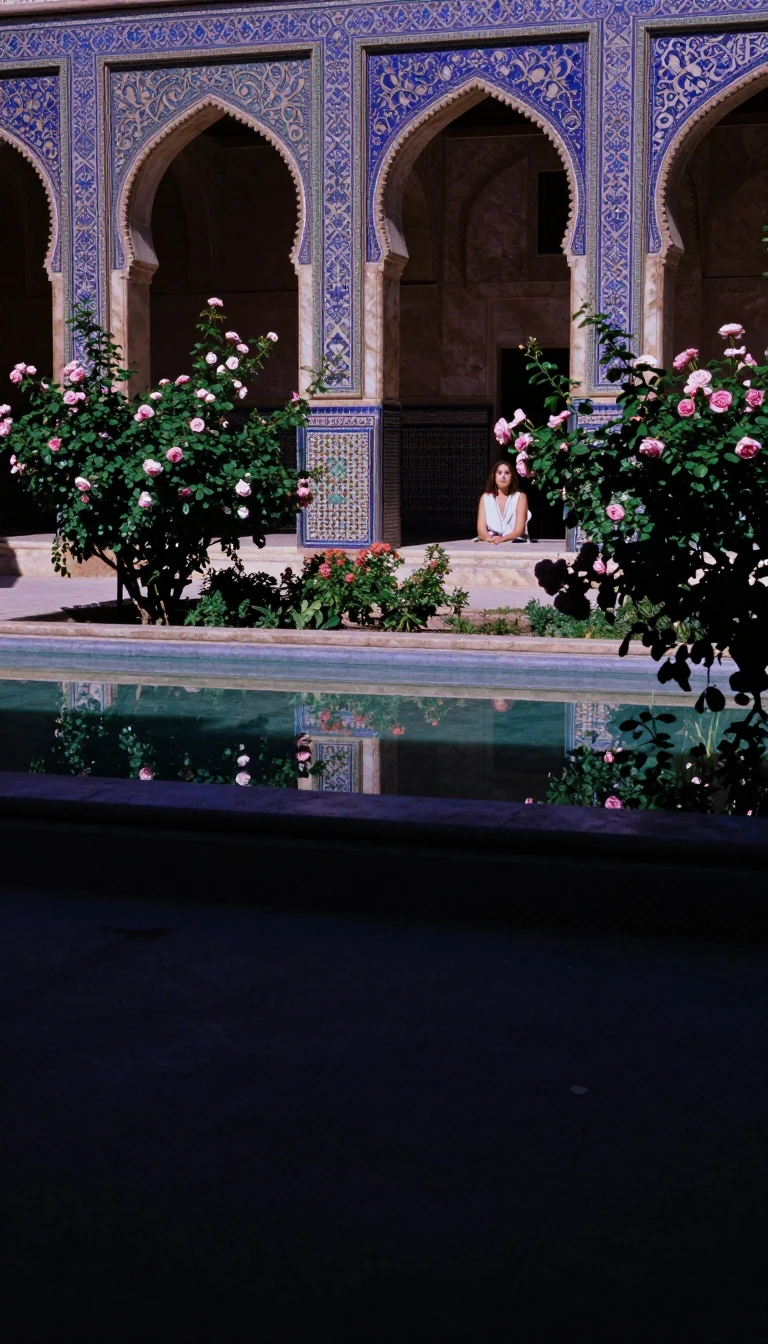
In short: Saharanpur, a northern district in Uttar Pradesh, carries a name rooted in the 14th century. Once a landscape of marshlands and forests, it evolved through centuries of imperial shifts, from the Delhi Sultanate to the Mughal Empire, eventually becoming a pivotal site for 19th-century social and religious reform movements.
The origins of Saharanpur are tied to the 14th-century Delhi Sultanate. During the reign of Muhammad bin Tughluq, the region was heavily forested and prone to malaria. According to local tradition, the Sultan encountered a Sufi saint named Shah Haroon Chishti on the banks of the Paondhoi River. In honor of this meeting, the area was renamed Shah-Haroonpur. By the 16th century, under the Mughal Emperor Akbar, the region was further transformed when the treasurer Sah Ranveer Singh was granted a feudal jagir. He laid the foundations for the modern city on the site of an army cantonment, establishing a walled city with four distinct gates.
The district's history is marked by a succession of rulers, including the Rohillas and the Maratha Empire. Following the defeat of the Marathas in the Second Anglo-Maratha War in 1803, the British East India Company assumed control. This period saw significant unrest, including armed revolts by Hindu Gujjars in 1813 and 1824. The 1857 uprising, known as the First War of Indian Independence, also saw active participation from the region. In the aftermath, the focus of local intellectual and cultural life shifted toward the town of Deoband, where the Darul Uloom seminary was established in 1867 to promote religious education and national unity.
Today, Saharanpur remains a significant administrative and cultural hub. The 2011 census recorded a population of 3,466,382, reflecting a diverse demographic landscape where Hindi and Urdu are the primary languages. The district's religious composition is predominantly Hindu, followed by a substantial Muslim population. Modern infrastructure, such as the Shaikh-Ul-Hind Maulana Mahmood Hasan Medical College, continues to serve the region, bridging its historical legacy with contemporary public needs in the northernmost part of Uttar Pradesh.
Opens the Intellect+ feed with this card first. Swipe up for the next one.
Sources
- Summary by Intellect · source: Saharanpur district
- Also: Wikidata — Saharanpur district · CC0
To cite this card, link to https://intellectplus.co.uk/app/places-saharanpur-district.
How we source, check and correct cards: Editorial standards.
General information, not professional advice. Spotted an error? Flag the card or see corrections and complaints.
Intellect Plus is a visual educational discovery platform for exploring fascinating facts and ideas. Brain Food, Not Brain Rot. What is Intellect Plus?
Related
More in Bodies of water · More in Countries & Cities · Latest · A–Z · All topics
