Why these ancient Finnish burial mounds no longer overlook the sea they once faced
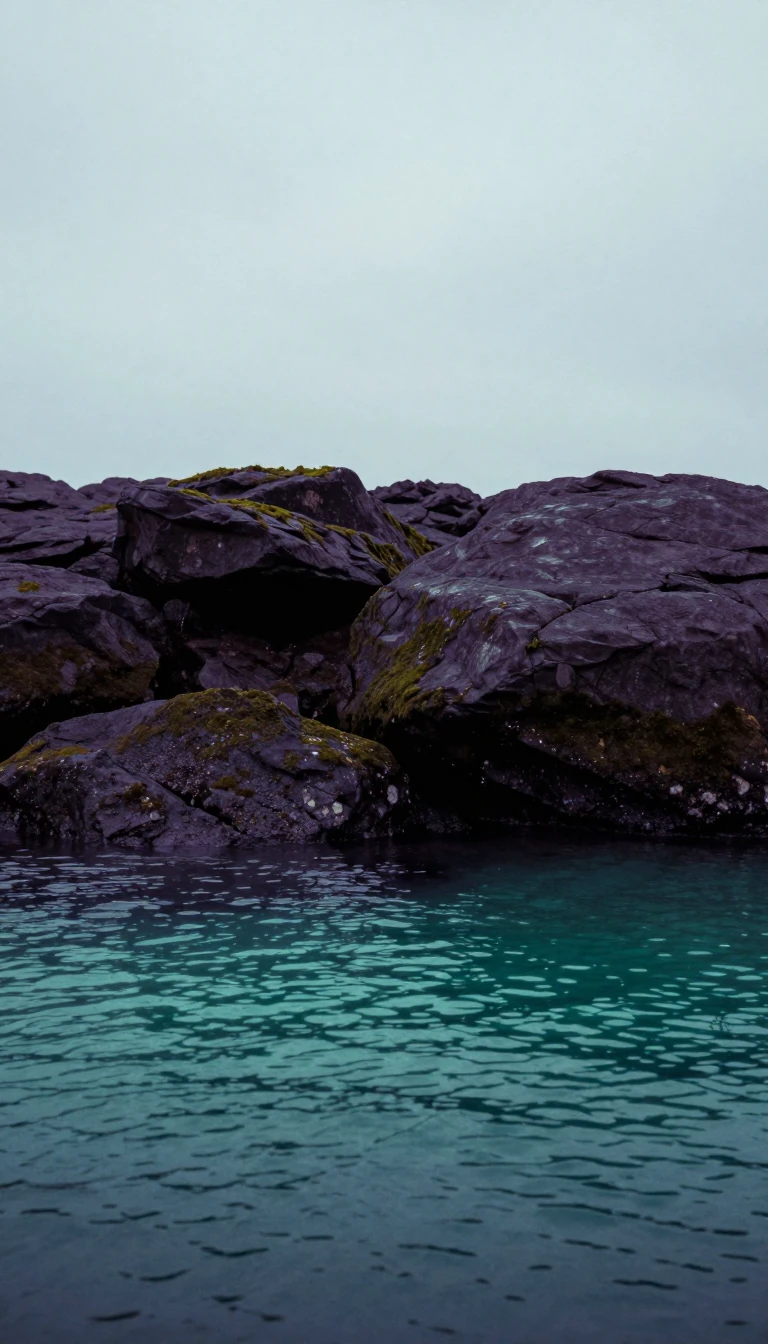
In short: Sammallahdenmäki is a sprawling Bronze Age burial site in Finland, home to 33 granite cairns. While these stone monuments were originally positioned to command a scenic view of the Gulf of Bothnia, geological uplift has shifted the landscape over millennia, leaving the site stranded far from the modern coastline.
Located in the Satakunta region of Rauma, Sammallahdenmäki stands as one of the most significant Bronze Age sites in Fennoscandia. Designated a UNESCO World Heritage Site in 1999, the area features 33 burial cairns arranged in clusters along a long ridge. These structures, built between 1500 and 500 BC, were constructed from granite boulders either collected on-site or quarried from the cliff face below. While 28 of these cairns date to the early Bronze Age, the remaining five belong to the early Iron Age.
The site offers a window into the social and spiritual life of the era. Researchers believe the cairns may be linked to sun worship, a religion that permeated Scandinavia during the Bronze Age. Furthermore, the placement of these mounds is thought to demonstrate kin group land ownership, a practice that emerged alongside the advent of farming in the region. The cairns were intentionally placed to overlook the coast, but due to the natural process of land uplift, the ocean has receded, and the water is no longer visible from the ridge.
Among the 33 cairns, two stand out for their unique architecture. The Huilun pitkä raunio, or 'long ruin of Huilu,' is notable for being surrounded by an ancient stone wall. Even more distinct is the Kirkonlaattia, or 'Church Floor,' a rectangular cairn measuring 16 by 19 metres with a flat top. This structure is the only one of its kind discovered in Scandinavia. While the site was first catalogued in 1878, formal archaeological interest began in 1891 when Volter Högman excavated four of the cairns. To date, only eight of the 33 cairns have been excavated, leaving much of the site's history preserved beneath the stones.
The site remains a testament to the enduring nature of Bronze Age burial traditions. Despite the lack of surviving details from the initial 1878 description, the work conducted by Högman provided essential insights into the site's composition. By examining the six Bronze Age and two Iron Age cairns that have been excavated, historians continue to piece together the cultural significance of this remote, elevated landscape.
Opens the Intellect+ feed with this card first. Swipe up for the next one.
Sources
- Summary by Intellect · source: Sammallahdenmäki
- Also: Wikidata — Sammallahdenmäki · CC0
To cite this card, link to https://intellectplus.co.uk/app/places-sammallahdenm-ki.
How we source, check and correct cards: Editorial standards.
General information, not professional advice. Spotted an error? Flag the card or see corrections and complaints.
Intellect Plus is a visual educational discovery platform for exploring fascinating facts and ideas. Brain Food, Not Brain Rot. What is Intellect Plus?
Related
More in World Heritage Sites · More in Countries & Cities · Latest · A–Z · All topics
