How a tiny Greek island became a powerhouse of ancient engineering and revolutionary thought
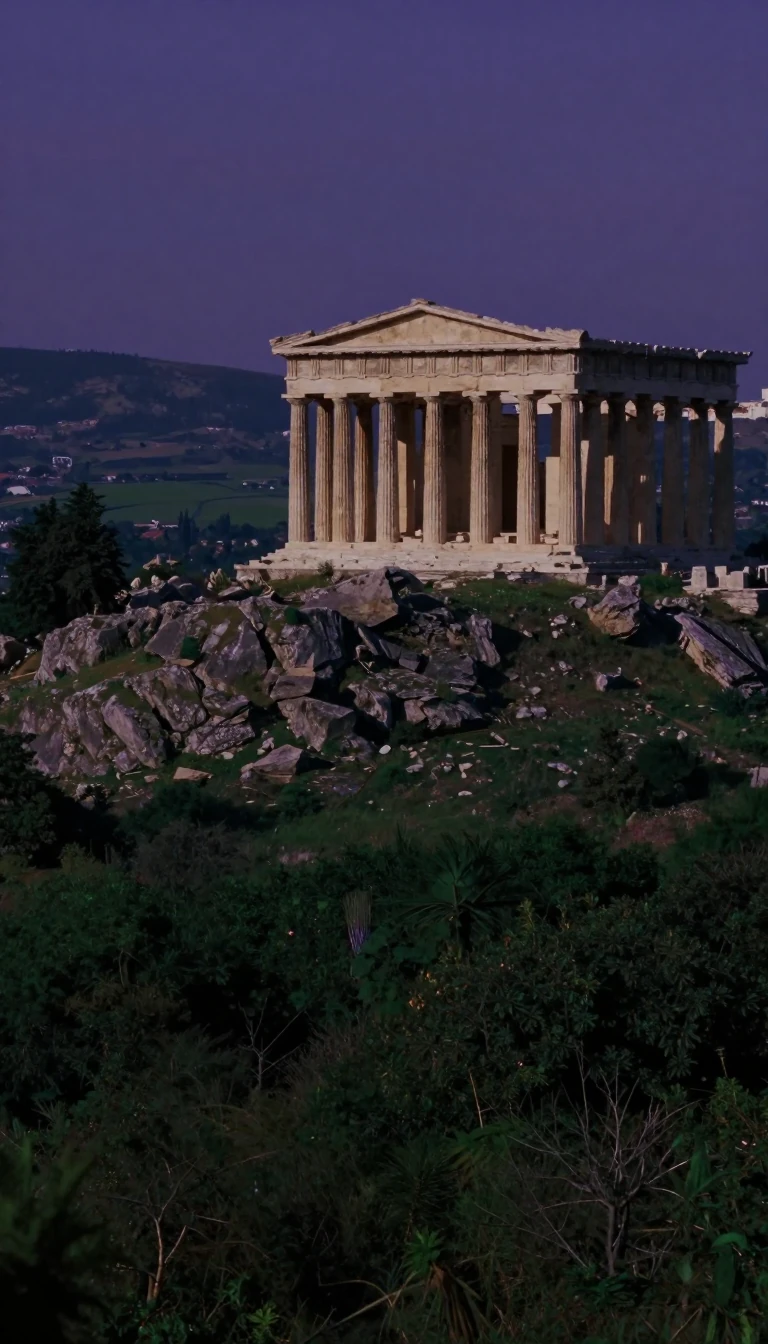
In short: Samos is far more than a Mediterranean destination. Once a dominant Ionian city-state, it birthed legendary thinkers like Pythagoras and Aristarchus. From pioneering the world's second-ever tunnel dug from both ends to surviving centuries of shifting empires, this island has consistently punched far above its weight in global history.
In classical antiquity, Samos stood as a premier commercial and cultural hub. Its prosperity was anchored by a formidable navy and strategic trade routes reaching from the Black Sea to Egypt. This wealth fueled a golden age of innovation, exemplified by the Eupalinian aqueduct. Completed under the tyrant Polycrates in the 6th century BC, this tunnel through Mount Kastro was a masterpiece of ancient engineering, designed to secure the capital's water supply against potential sieges.
The island's intellectual legacy is equally profound. It was the birthplace of Pythagoras and the astronomer Aristarchus, who first proposed that the Earth revolves around the Sun. This spirit of radical inquiry persisted through the centuries. During the Ottoman era, the influence of the French Revolution sparked the rise of the Karmanioloi, a progressive political movement that championed democratic principles and challenged traditional land-holding elites long before the island formally joined Greece in 1913.
Samos has also endured significant modern hardship. During World War II, the island suffered through the Great Famine of 1941–42, which claimed 2,000 lives, and later became a major center of resistance during the Greek Civil War. Today, its proximity to the Turkish mainland—separated by the narrow Mycale Strait—places it at the forefront of contemporary migration challenges. Despite these pressures, the island remains a site of immense historical significance, housing UNESCO-listed treasures like the Heraion temple, which continue to draw scholars and visitors alike to its rugged, mountainous landscape.
Opens the Intellect+ feed with this card first. Swipe up for the next one.
Sources
- Summary by Intellect · source: Samos
- Also: Wikidata — Samos · CC0
- Also: Wikidata — Samos · CC0
To cite this card, link to https://intellectplus.co.uk/app/places-samos.
How we source, check and correct cards: Editorial standards.
General information, not professional advice. Spotted an error? Flag the card or see corrections and complaints.
Intellect Plus is a visual educational discovery platform for exploring fascinating facts and ideas. Brain Food, Not Brain Rot. What is Intellect Plus?
Related
More in Islands · More in Countries & Cities · Latest · A–Z · All topics
