The San Juan Islands: A Rain-Shadowed Archipelago Shaped by Colonial Cartography and Conflict
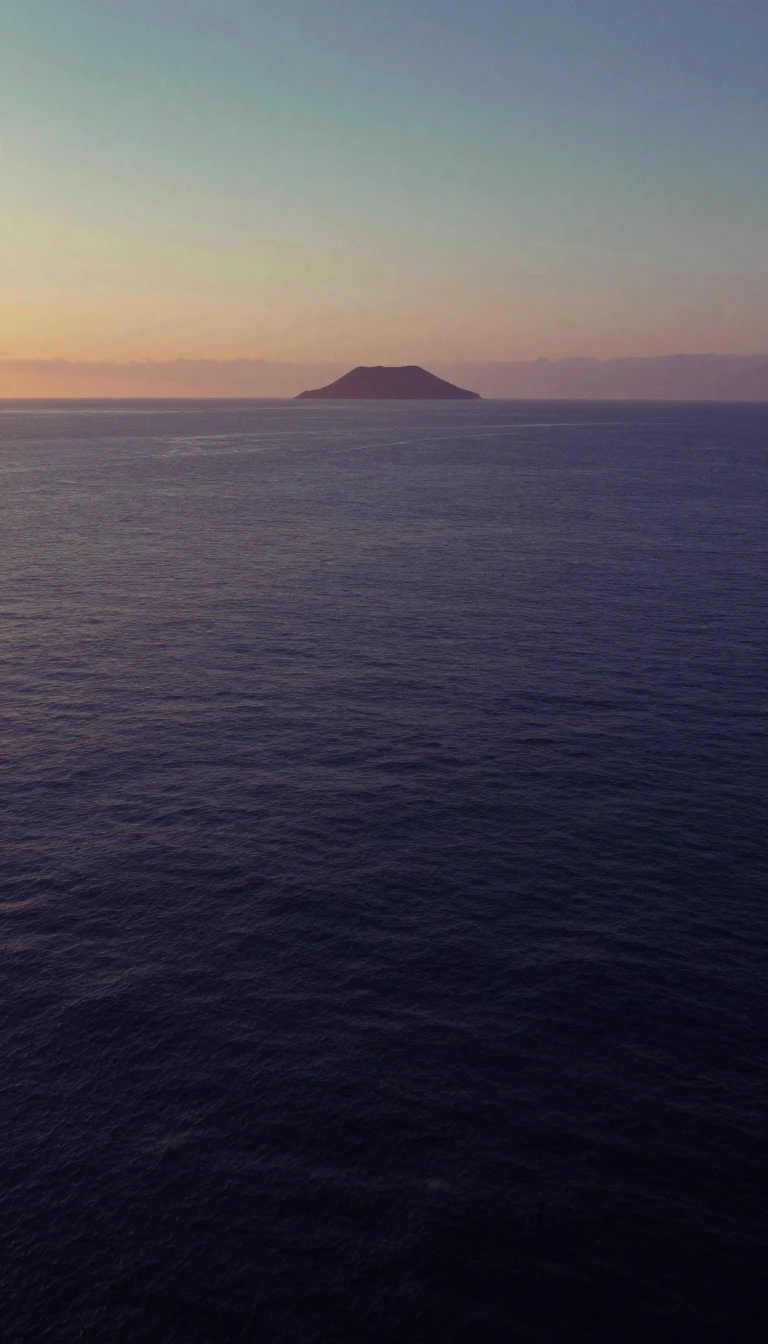
In short: Tucked between Washington state and Vancouver Island, the San Juan Islands are a unique ecological and political enclave. Once the site of a bizarre international standoff known as the Pig War, this archipelago now serves as a protected sanctuary for orcas, bald eagles, and a highly educated local population.
The San Juan Islands, an archipelago of over 400 islands and rocks, are defined by their complex colonial history and unique geography. Named by Spanish explorer Francisco de Eliza in 1791, the islands were later mapped by British and American expeditions, leading to a patchwork of names that reflect competing imperial interests. The 1846 Oregon Treaty, which set the 49th parallel as the border, failed to specify which channel the boundary should follow, sparking a diplomatic stalemate between the U.S. and Britain. This tension culminated in the 1859 Pig War, a bloodless standoff that was eventually resolved in 1872 through arbitration by Emperor Wilhelm I of Germany, who established the border through the Haro Strait.
Ecologically, the islands exist in the rain shadow of the Olympic Mountains, resulting in significantly less rainfall than nearby Seattle. This climate supports a diverse landscape of second-growth forests, including Douglas fir and Pacific madrone. Historically, the islands were home to beavers, which were extirpated by the Hudson's Bay Company in the nineteenth century. While these keystone species are occasionally spotted today, their return is often met with conflict, as seen in 2011 when a pair on Orcas Island was killed to protect infrastructure. The islands also host the highest concentration of bald eagles in the contiguous United States and are famous for their resident orca pods.
Today, the islands are part of San Juan County, Washington, and are accessible only by air or water. The region is characterized by a high level of formal education, with 51.7 percent of residents aged 25 and older holding a bachelor’s degree or higher between 2016 and 2020, significantly outpacing the 36.7 percent statewide average. Despite their remote feel, the islands remain a major tourist destination, drawing visitors for whale-watching and sea kayaking, while managing the ecological impact of invasive species like European rabbits and red foxes introduced in the nineteenth and twentieth centuries.
Opens the Intellect+ feed with this card first. Swipe up for the next one.
Sources
- Summary by Intellect · source: San Juan Islands
- Also: Wikidata — San Juan Islands · CC0
- Also: Wikidata — San Juan Islands · CC0
To cite this card, link to https://intellectplus.co.uk/app/places-san-juan-islands.
How we source, check and correct cards: Editorial standards.
General information, not professional advice. Spotted an error? Flag the card or see corrections and complaints.
Intellect Plus is a visual educational discovery platform for exploring fascinating facts and ideas. Brain Food, Not Brain Rot. What is Intellect Plus?
Related
More in Islands · More in Countries & Cities · Latest · A–Z · All topics
