The oldest island in the Azores, where volcanoes gave way to fossils
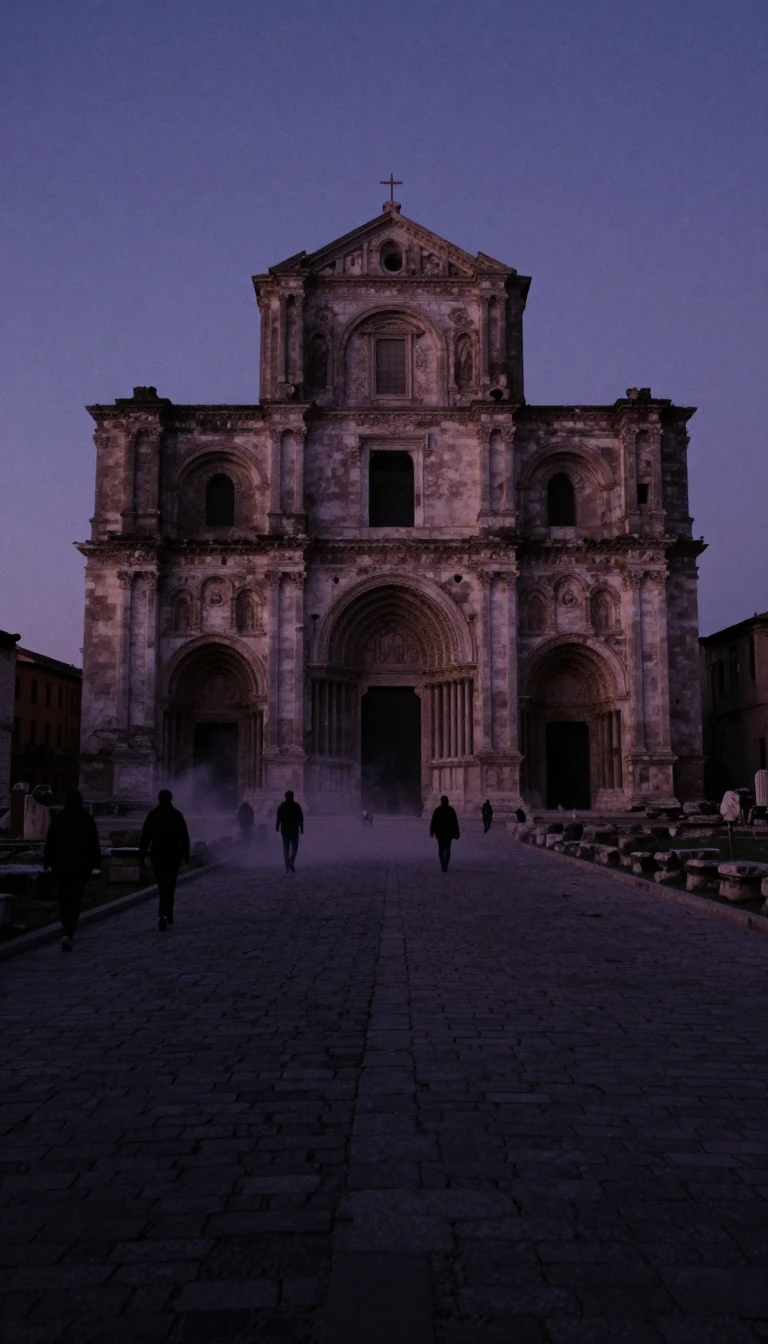
In short: While most of the Azores is defined by recent volcanic activity, Santa Maria tells a different story. As the archipelago's oldest island, its landscape is a complex mosaic of ancient eruptions and sedimentary layers, preserving marine fossils that are unique to this corner of the Atlantic.
Geologically, Santa Maria is the eldest member of the Azores archipelago. It emerged during the Miocene, approximately 10 to 8 million years ago, with volcanic activity continuing through the Pliocene about 2 million years ago. This long history has resulted in a more mature geography than its neighbors, featuring larger sediment deposits and a landscape shaped by successive periods of sea rise and coastal erosion.
The island's stratigraphy reveals a rhythmic history of fire and water. Its base, the Cabrestantes Formation, likely formed through multiple submarine eruptions. This was followed by the Anjos Complex (8–5.5 million years ago) and the Touril Complex, where intermittent eruptions allowed sediments and fossils to accumulate around 5 million years ago. The intense Facho-Pico Alto Complex period (5–3 million years ago) contributed the island's higher peaks, including Pico Alto, which stands at 590 meters.
This unique geological makeup has left a distinct legacy. Unlike many other islands in the archipelago, Santa Maria contains significant marine fossil deposits, such as those found in Prainha and Lagoinhas, with mollusks dating from 2.7 million years to less than one million years old. These deposits even fueled a 19th-century lime industry. Today, the island is characterized by two distinct regions: an arid, dry clay plain in the west and more humid, vegetated hills in the east.
Human history on the island is equally layered. While Diogo de Silves likely found the island during his journey to Madeira in 1427, official Portuguese recognition was attributed to Gonçalo Velho Cabral in 1432. The island's settlement was organized by the Infante Henry the Navigator, following a colonization model successfully used in Madeira in 1425.
Opens the Intellect+ feed with this card first. Swipe up for the next one.
Sources
- Summary by Intellect · source: Santa Maria Island
- Also: Wikidata — Santa Maria Island · CC0
To cite this card, link to https://intellectplus.co.uk/app/places-santa-maria-island.
How we source, check and correct cards: Editorial standards.
General information, not professional advice. Spotted an error? Flag the card or see corrections and complaints.
Intellect Plus is a visual educational discovery platform for exploring fascinating facts and ideas. Brain Food, Not Brain Rot. What is Intellect Plus?
Related
More in Islands · More in Countries & Cities · Latest · A–Z · All topics
