How a small fishing village became a strategic naval powerhouse in northwestern Japan
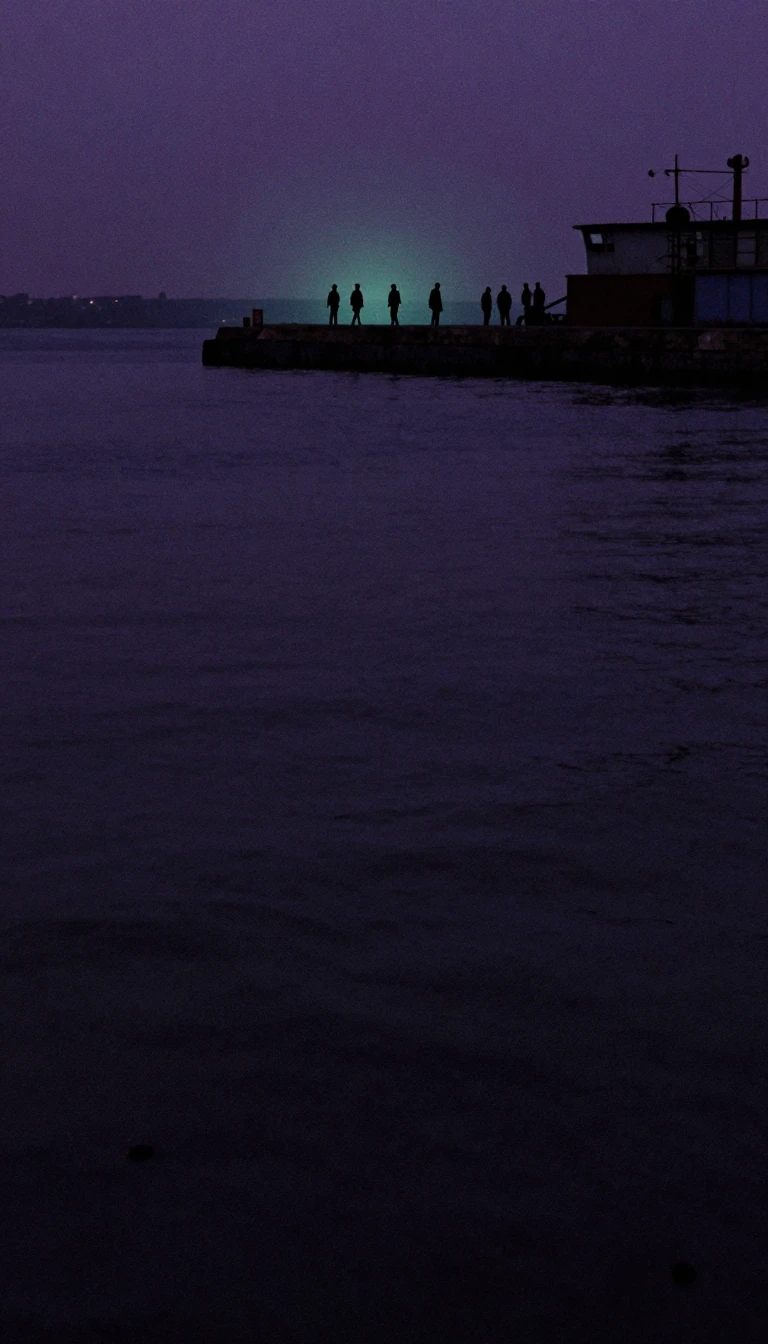
In short: Once a quiet coastal settlement, Sasebo transformed into a critical military hub after Admiral Tōgō Heihachirō identified its deep-water harbor as the ideal site for a naval district. Today, this hilly city balances its heavy industrial roots and naval legacy with a unique cultural identity that includes Japan's only church-themed municipal seal.
Located in the northwestern reaches of Kyushu, Sasebo’s geography defined its modern history. Before the Meiji period, it was merely a modest fishing village under the Hirado Domain. Its trajectory shifted dramatically when the Imperial Japanese Navy sought a strategic base to monitor the coasts of China and Korea. The site was chosen for its naturally protected, deep-water harbor and proximity to local coal fields. By 1886, the Sasebo Naval District was established, anchoring the city’s development as a center for naval operations during the First Sino-Japanese and Russo-Japanese Wars.
The city’s infrastructure grew in lockstep with its military importance, featuring massive shipyards and the Sasebo Naval Arsenal. This strategic value made it a target during World War II; on June 29, 1945, bombing raids destroyed nearly half of the city. Remarkably, Sasebo had also been considered as a potential target for the atomic bomb. Following the war, the base transitioned into a shared facility, with the United States Navy establishing U.S. Fleet Activities Sasebo alongside the Japan Self-Defense Forces. This military presence remains a defining feature of the local economy and landscape.
Beyond its naval history, Sasebo maintains a distinct cultural and economic character. The city is known for its hilly terrain, which makes cycling impractical, and its humid subtropical climate, often compared to Norfolk, Virginia. Its economy is anchored by heavy industry and shipbuilding, though it also supports a 400-year-old pottery tradition in the Mikawachi district and vibrant pearl and oyster farming. Perhaps most uniquely, Sasebo is the only city in Japan to incorporate a Christian church into its official seal, a nod to the iconic 1930 neogothic Miuramachi Catholic Church that stands as the city’s symbol.
Opens the Intellect+ feed with this card first. Swipe up for the next one.
Sources
- Summary by Intellect · source: Sasebo
- Also: Wikidata — Sasebo · CC0
To cite this card, link to https://intellectplus.co.uk/app/places-sasebo.
How we source, check and correct cards: Editorial standards.
General information, not professional advice. Spotted an error? Flag the card or see corrections and complaints.
Intellect Plus is a visual educational discovery platform for exploring fascinating facts and ideas. Brain Food, Not Brain Rot. What is Intellect Plus?
Related
More in Asia · More in Countries & Cities · Latest · A–Z · All topics
