A Romanesque masterpiece built over the reputed tomb of an apostle of Jesus Christ.
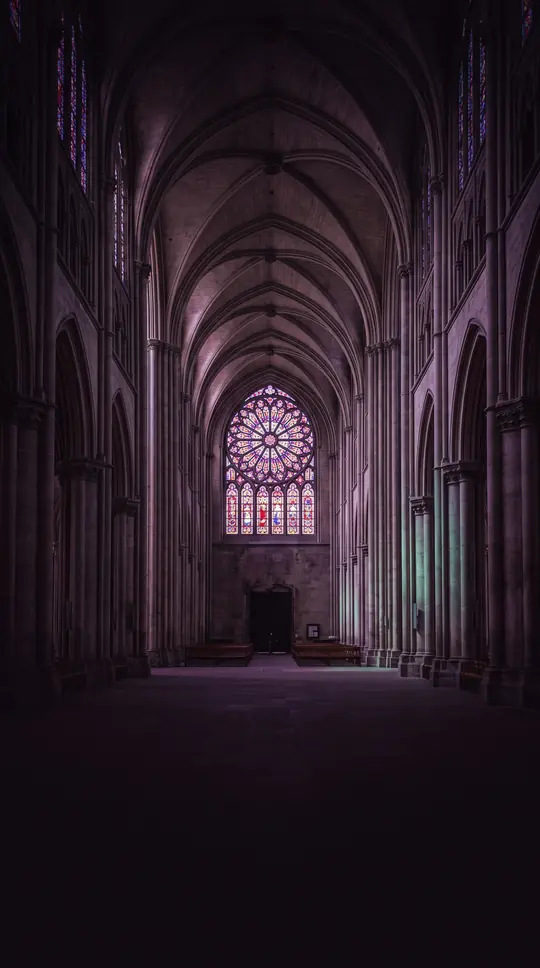
In short: The Santiago de Compostela Cathedral is the traditional end of the Way of St. James pilgrimage. Beyond its religious significance, this architectural marvel blends Romanesque, Gothic, and Baroque styles, housing the intricate Portico of Glory and serving as a symbol of Galicia that appears on Spanish euro coins.
The cathedral's origins trace back to AD 814, when Pelagius the Hermit reportedly discovered the tomb of Saint James the Great following sightings of strange lights. King Alfonso II of Asturias and Galicia ordered a chapel built on the site, marking the beginning of a pilgrimage tradition that flourished through the Middle Ages. By AD 899, King Alfonso III of León had commissioned a pre-Romanesque church, though this structure was later destroyed by Al-Mansur Ibn Abi Aamir in 997.
Construction of the current Romanesque cathedral began in 1075 under King Alfonso VI of Castile and Bishop Diego Peláez. Designed with a cruciform, barrel-vaulted interior, it remains the largest Romanesque church in Spain. The building process was complex, involving masters like Bernard the elder and later Master Mateo, who completed the iconic Pórtico da Gloria in 1188. The cathedral was officially consecrated in 1211, though it continued to evolve with significant Baroque additions in the 17th and 18th centuries, including the famous Obradoiro façade.
The cathedral is rich with symbolic detail, from the Pórtico da Gloria’s depiction of the Book of Revelation to the Berenguela clock tower, which features massive bells cast in 1729. The site also functions as a living monument; during Jacobean Holy Years, pilgrims enter through the Holy Door to receive a plenary indulgence. Today, the cathedral stands as a UNESCO World Heritage Site, its enduring legacy preserved through careful restoration of its ancient stonework and its continued role as a beacon for travelers.
Opens the Intellect+ feed with this card first. Swipe up for the next one.
Sources
- Summary by Intellect · source: Santiago de Compostela Cathedral
- Also: Wikidata — Cathedral of Santiago de Compostela · CC0
To cite this card, link to https://intellectplus.co.uk/app/places-santiago-de-compostela-cathedral.
How we source, check and correct cards: Editorial standards.
General information, not professional advice. Spotted an error? Flag the card or see corrections and complaints.
Intellect Plus is a visual educational discovery platform for exploring fascinating facts and ideas. Brain Food, Not Brain Rot. What is Intellect Plus?
Related
More in Cities · More in Countries & Cities · Latest · A–Z · All topics
