Is the legendary Field of Stars actually just an ancient, well-ordered burial ground?
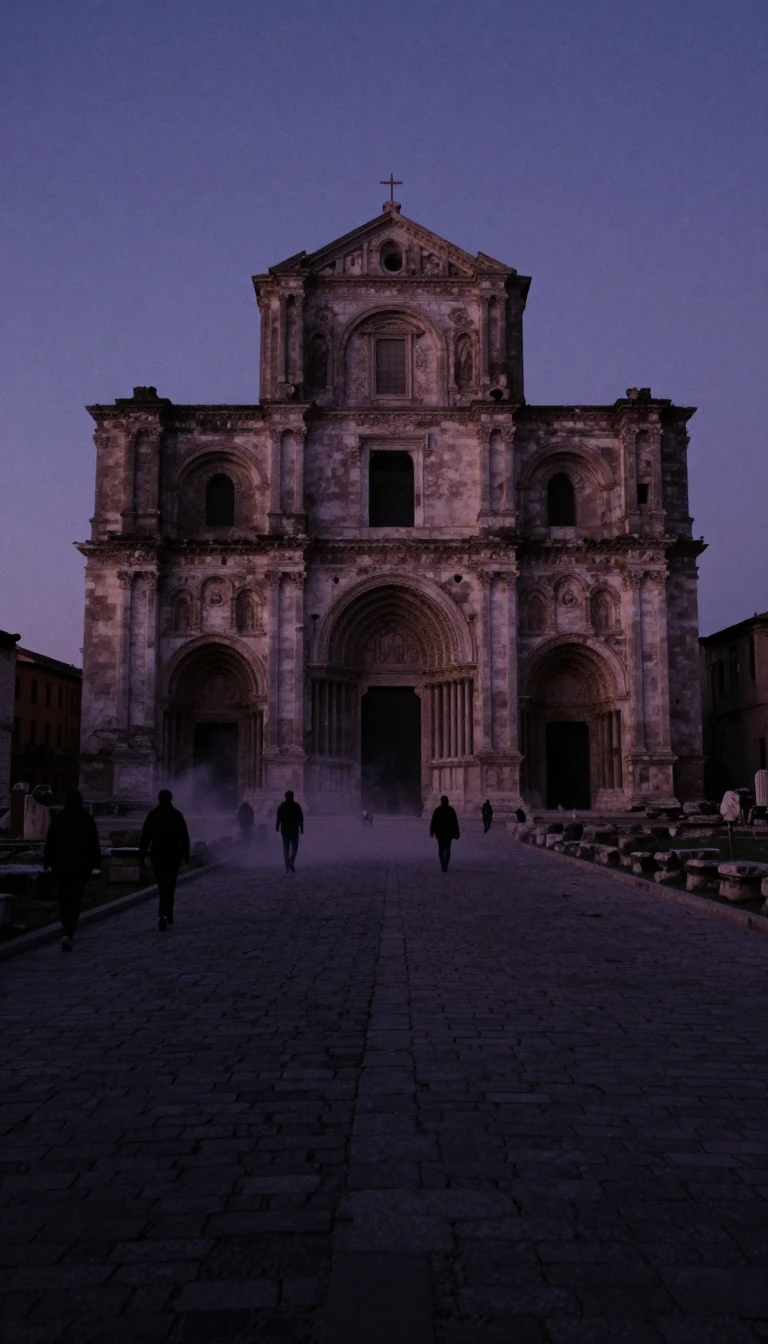
In short: Santiago de Compostela is world-famous as the destination of the Camino de Santiago, a pilgrimage route dating back to the 9th century. While folklore links the city's name to a miraculous star, modern scholars suggest a more grounded, historical origin for the site that predates its Christian transformation.
The city's identity is inextricably tied to the shrine of Saint James the Great. According to medieval legend, the apostle's remains were lost in Galicia until a hermit named Pelagius followed a mysterious light to a site known as Mount Libredon. Bishop Theodemar of Iria subsequently identified the bones as those of the apostle, a discovery that helped bolster Christian support during the crusades against the Moors. This narrative birthed the popular etymology of Compostela as Campus Stellae, or 'field of the star.'
However, contemporary experts including Richard A. Fletcher and Joan Coromines propose a different etymology. They argue that the name derives from the Latin phrase compositum tella, which describes a neatly arranged cemetery. This interpretation aligns with archaeological findings; excavations beneath the cathedral have revealed a Roman-era martyrium and a surrounding burial ground that existed long before the current religious structure was built. The site was likely a Roman cemetery by the 4th century, later occupied by the Suebi.
The city's political and religious importance grew rapidly throughout the Middle Ages. By the 12th century, under Archbishop Diego Gelmírez, it had become a major international pilgrimage destination, second only to Rome and Jerusalem. This rise was not without internal friction; the townspeople frequently clashed with their ecclesiastical lords over self-governance, a struggle that reached a violent peak in the 14th century when the prelate Bérenger de Landore executed city counselors. Today, the city remains a vibrant cultural and administrative hub, though the Vatican maintains a cautious stance regarding the authenticity of the relics themselves.
Opens the Intellect+ feed with this card first. Swipe up for the next one.
Sources
- Summary by Intellect · source: Santiago de Compostela
- Also: Wikidata — Santiago de Compostela · CC0
- Also: Wikidata — Santiago de Compostela · CC0
To cite this card, link to https://intellectplus.co.uk/app/places-santiago-de-compostela.
How we source, check and correct cards: Editorial standards.
General information, not professional advice. Spotted an error? Flag the card or see corrections and complaints.
Intellect Plus is a visual educational discovery platform for exploring fascinating facts and ideas. Brain Food, Not Brain Rot. What is Intellect Plus?
Related
More in Cities · More in Countries & Cities · Latest · A–Z · All topics
