How a city named for seven forts became the heart of the Maratha Empire.
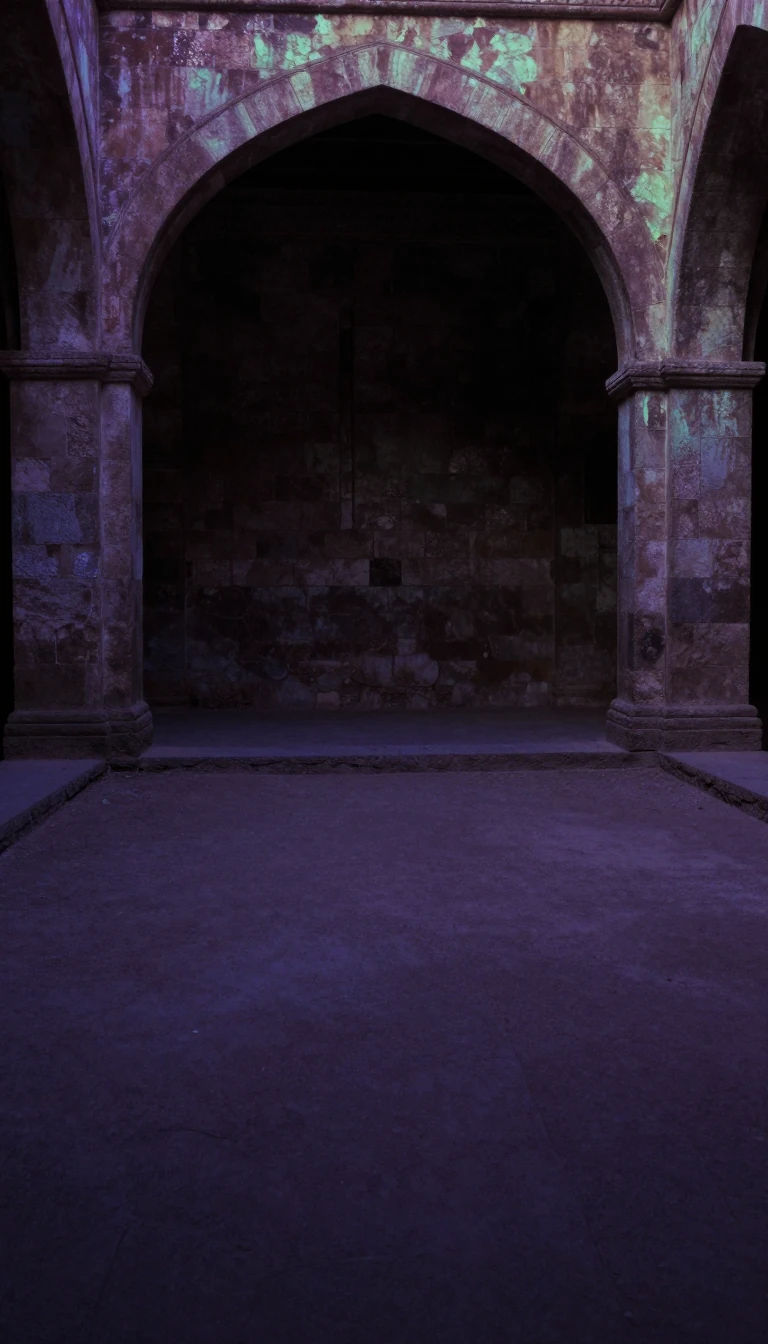
In short: Satara, a city cradled by seven mountain forts in Maharashtra, served as the vital capital of the Maratha Empire. From its strategic role in the 17th-century resistance against the Mughals to its status as a modern political hub, Satara remains a living monument to India's complex history of power and resilience.
The name Satara is derived from the seven forts that surround the city. Its historical prominence began in the 16th century, but the site gained immense strategic importance under Chhatrapati Shivaji Maharaj, who captured the local fort from the Bijapur Sultanate in 1673. Following the death of his son, Chhatrapati Sambhaji, in 1689, the Maratha leadership faced a period of intense instability. By 1698, Chhatrapati Rajaram declared Satara the Maratha capital, setting the stage for a brutal six-month siege by the Mughal Emperor Aurangzeb starting in December 1699. The fort eventually fell in 1700, only to be recaptured by the Marathas in 1706.
The city reached its political zenith under Chhatrapati Shahu Maharaj I, who was crowned at the Satara fort in 1707 after his release from Mughal captivity. Shahu expanded the city, establishing 13 pethas and the new settlement of Shahunagar. During his 42-year reign, Satara functioned as the center of a vast empire. However, the city's political influence waned after 1750, when the Treaty of Sangola shifted administrative power to Pune. By 1848, Satara became the first state annexed by the British under Governor-General Dalhousie’s 'Doctrine of Lapse,' marking the end of its era as a sovereign Maratha power center.
Today, Satara is known as a 'Soldier's city' and a 'Pensioner's city,' maintaining deep ties to its royal past; the direct descendants of Chhatrapati Shivaji, including the 13th descendant Chhatrapati Udayanraje Bhonsle, still reside there. Beyond its political legacy, the region is a biodiversity hotspot. The nearby Kaas Plateau, a UNESCO World Heritage Site, transforms into a vibrant 'valley of flowers' during the monsoon. Despite its historical weight, the city continues to evolve, with recent municipal expansions and ongoing infrastructure projects reflecting its status as a significant, albeit modernizing, administrative and cultural center in Maharashtra.
Opens the Intellect+ feed with this card first. Swipe up for the next one.
Sources
- Summary by Intellect · source: Satara (city)
To cite this card, link to https://intellectplus.co.uk/app/places-satara-city.
How we source, check and correct cards: Editorial standards.
General information, not professional advice. Spotted an error? Flag the card or see corrections and complaints.
Intellect Plus is a visual educational discovery platform for exploring fascinating facts and ideas. Brain Food, Not Brain Rot. What is Intellect Plus?
Related
More in Asia · More in Countries & Cities · Latest · A–Z · All topics
