Why do the people of Semnan, Iran, still harbor a grudge against the color black?
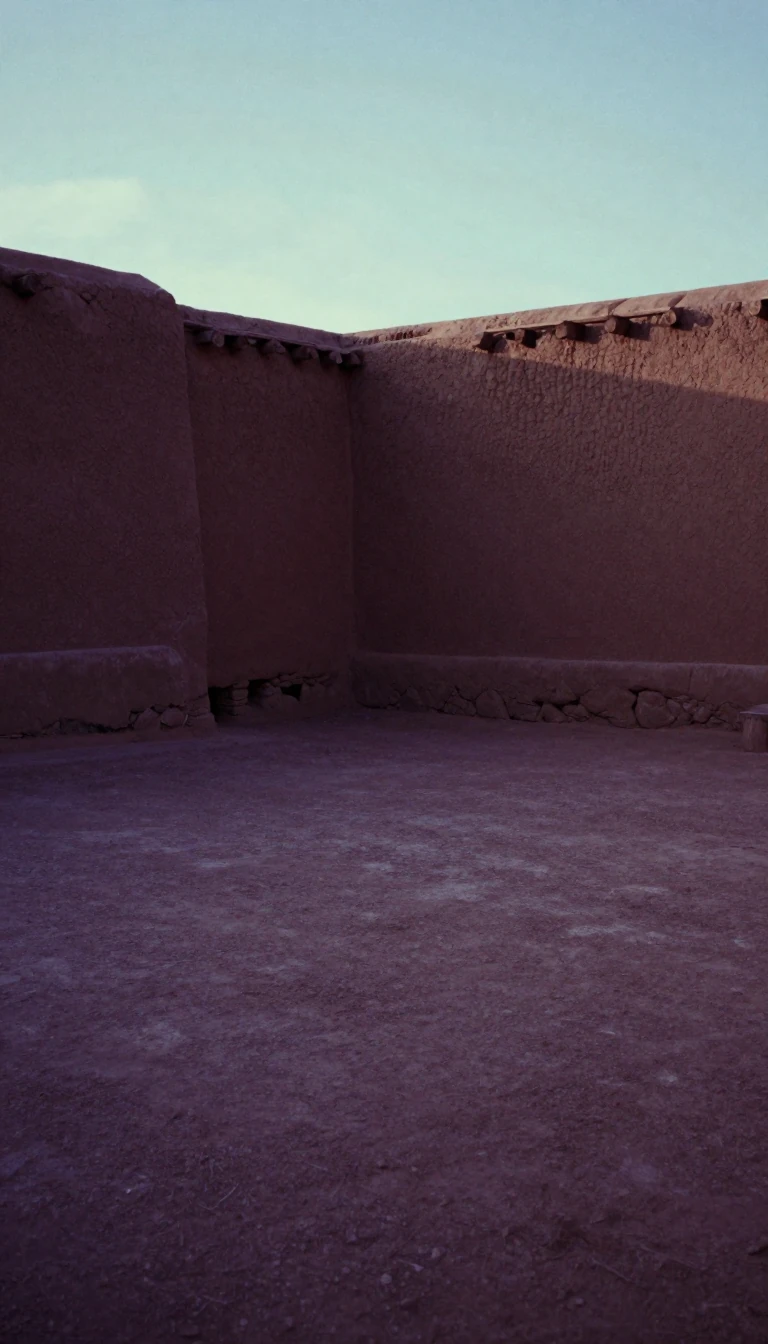
In short: Nestled between the Alborz Mountains and the desert, Semnan is an ancient city with a complex history. From its origins as a pre-Zoroastrian settlement to its transformation under the Qajar and Pahlavi dynasties, its residents maintain unique traditions, including a lingering disdain for the color black, rooted in medieval trauma.
Semnan, the capital of its namesake province, sits on an alluvial fan 216 km east of Tehran. Its history is a layered tapestry of shifting empires and religious movements. Long before the modern era, the city served as a civil establishment within the ancient Avesta-era province of Vern. Under the Parthian Empire, it became a hub for Hellenistic influence, pioneering sculpting and Western art, before the Sassanid Empire re-established Zoroastrianism as the state religion.
The city’s relationship with its rulers has often been fraught. Following the Muslim conquest, Semnan transitioned from Sunni to Zaidi Shi'a Islam under the Alavids. However, the 11th-century invasion by the Seljuq Turks left deep scars, even as they constructed the city's enduring monuments, such as the Jāmeh Mosque. Later, the Abbasid Caliphate’s rule was so traumatic that local tradition suggests a lasting cultural aversion to the color black, which was utilized for the Caliphate's flags. This period of instability culminated in the 13th-century Mongol invasion, which devastated the city until the Safavid dynasty initiated a reconstruction.
By the Qajar era, Semnan had evolved into a strategic fortress and a center for medical expertise, with some families tracing their lineage directly to the dynasty. The subsequent Pahlavi period brought rapid industrialization and modern infrastructure, though it sparked intense local resistance. When the government attempted to demolish the city's historic gate for road construction, residents chained themselves to the structure to prevent its destruction. Today, while the majority of the population are Persians, the city remains a stronghold for the Semnani language, a distinct sub-branch of Iranian languages that is increasingly challenged by the dominance of Persian in modern education.
Opens the Intellect+ feed with this card first. Swipe up for the next one.
Sources
- Summary by Intellect · source: Semnan, Iran
- Also: Wikidata — Semnan · CC0
To cite this card, link to https://intellectplus.co.uk/app/places-semnan-iran.
How we source, check and correct cards: Editorial standards.
General information, not professional advice. Spotted an error? Flag the card or see corrections and complaints.
Intellect Plus is a visual educational discovery platform for exploring fascinating facts and ideas. Brain Food, Not Brain Rot. What is Intellect Plus?
Related
More in Asia · More in Countries & Cities · Latest · A–Z · All topics
